


Guo Da Li Singapore: The Complete Guide to Items and Process
Everything a Singaporean family needs to plan the betrothal ceremony properly, from the gift baskets to the red packets.
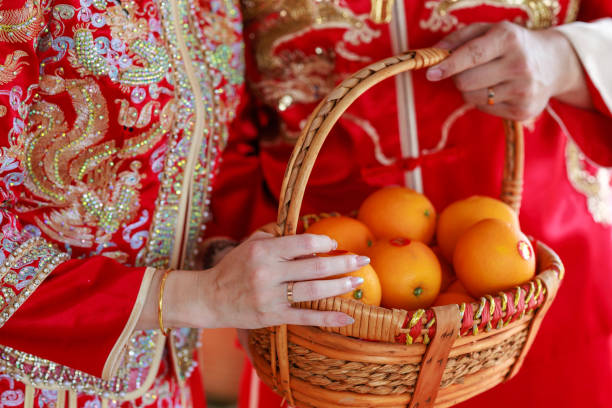

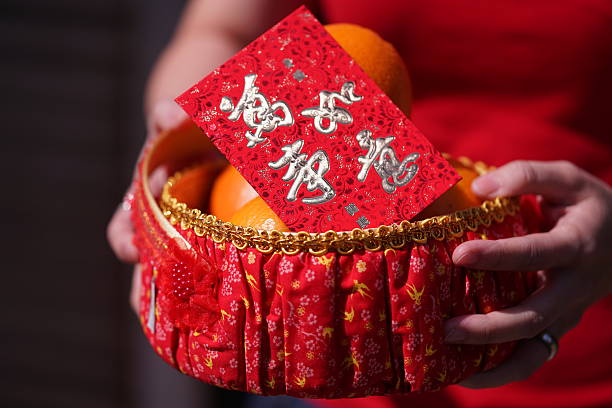
Guo da li Singapore is the traditional Chinese betrothal ceremony held before the wedding, where the groom's family delivers gifts, betrothal money and food items to the bride's family, who then reciprocate with a partial return and a dowry. It usually happens two to four weeks before the wedding, takes one to two hours at the bride's home, and typically costs between SGD 800 and SGD 5,000 depending on betrothal money, the size of the gift baskets and whether a delivery team or coordinator is hired.
- What guo da li means and why families still do it
- The guo da li process and procedure, step by step
- Guo da li items: the full checklist
- Wedding cakes and guo da li: what to order and how many
- Guo da li basket setup and how the return works
- Price table: what guo da li costs in Singapore
- Common mistakes and what goes wrong on the day
Guo Da Li Meaning and Why It Still Matters in Singapore
Guo da li (过大礼) literally means "passing the great gift." It is the formal betrothal ceremony where the groom's family visits the bride's family to present gifts, money and food, confirming that the marriage is agreed and respected by both sides. In Singapore's Chinese community, it remains common across Hokkien, Teochew, Cantonese and Hainanese families, though the exact items and quantities differ by dialect group and by how traditional the two families want to be.
Some families treat it as a full ceremony with a geomancer, an auspicious hour and a formal exchange at the door. Others compress it into a single visit on the morning of the wedding itself, sometimes combined with the door games. Both are valid. What matters is that the two families agree beforehand on the scale, because mismatched expectations, one side expecting a full traditional exchange and the other planning something minimal, is the single most common source of awkwardness on the day.
Guo Da Li Process and Procedure, Step by Step
The guo da li procedure follows a fairly fixed order, even in simplified versions. Here is how it plays out in a typical Singapore household.
- Set the date. Most families consult a geomancer or refer to a Tong Shu almanac to pick an auspicious date, usually an even-numbered day. Guo da li is commonly held two to four weeks before the wedding, though some families now do it the same week, or the same morning, to save a trip.
- Agree the betrothal money and item list. The groom's side proposes a betrothal money (pin jin) amount and discusses it with the bride's family in advance. Nothing about the amount should be a surprise on the actual day.
- Pack the baskets. The groom's family packs the agreed items into an even number of baskets or trays, commonly 6, 8, or 12 for a fuller ceremony. Each basket is covered with red cloth or paper.
- Deliver to the bride's home. A delivery team, often relatives, a hired guo da li service, or the groom's family members, brings the baskets to the bride's home at the chosen hour.
- Exchange and blessing. The bride's family receives the gifts, offers tea or a simple meal, and both sides exchange well wishes. Dragon and phoenix candles may be lit if the family observes this.
- The return. The bride's family keeps most items but returns a portion, commonly half of certain fruits, some of the cakes, and part of the betrothal money, along with dowry items such as jewellery or a red packet for the groom's side.
- Distribution. Bridal cakes and returned items go out to relatives and close friends as an informal announcement that the couple is officially engaged to marry.
In practice, most Singapore families finish the whole exchange in one to two hours, including tea and photos. Landed property or larger extended families sometimes stretch this to half a day when both sides live further apart and travel between two homes is involved.
Guo Da Li Items: The Full Checklist
Guo da li items meaning matters as much as the items themselves. Every gift is chosen for a symbolic reason, not just tradition for its own sake. Below is what a Singapore household typically prepares.
- Dragon and phoenix candles (龙凤烛): a pair of red candles symbolising a harmonious union, sometimes lit briefly during the exchange.
- Betrothal money (聘金, pin jin): cash gifted to the bride's family, amount agreed beforehand between both sides.
- Bridal cakes (喜饼): distributed afterward to relatives and friends as an informal wedding announcement.
- Tea and wine: included as a mark of respect toward elders on both sides.
- Oranges, in pairs: symbolise good luck and gold, always given in even numbers.
- Canned and dried food: canned abalone, dried scallops or mushrooms, representing prosperity and abundance.
- Double happiness stickers (囍): used to decorate the baskets and later the bride's home.
- Red packets (红包): smaller ones for helpers, delivery staff and younger relatives present on the day.
- Red cloth: used by the bride's family to line or cover the baskets before the return, symbolising protection.
The bride's family typically reciprocates with dowry items: gold jewellery, an umbrella, bed linens in red, and a portion of the betrothal money and fruit sent back to the groom's side. Neither list is fixed by law or by any single authority, it varies by dialect group, so confirm the expected items with an elder from each family rather than assume a generic checklist covers everything.
Wedding Cakes and Guo Da Li: What to Order and How Many
Bridal cakes for guo da li are not the same as the wedding day cake couples cut at the reception. These are traditional pastries, commonly Western-style butter cookies boxed in pairs, or Chinese pastries such as lotus paste or salted egg mooncake-style cakes, ordered specifically for distribution.
Singapore bakeries that specialise in this typically sell them by the box, with quantity based on how many relatives and colleagues the family plans to inform. A household distributing to fifty to eighty households commonly orders 100 to 150 boxes, since some go out as pairs. Order these three to four weeks ahead, since popular traditional bakeries get booked out close to the wedding season, particularly around the eighth lunar month and other dates considered auspicious for weddings.
Guo Da Li Basket Setup and How the Return Works
The guo da li basket count should always be an even number, most commonly 6 for a simplified exchange, 8 or 12 for a fuller one. Each basket or tray carries one category of item, fruit in one, cakes in another, dried goods in a third, and so on, all wrapped or covered in red.
The return, sometimes called hui li (回礼), is where confusion happens most. The bride's family does not keep everything. Standard practice is to return roughly half the fruit, a portion of the cakes, and part of the betrothal money, alongside the dowry items given back to the groom's side. Some Singapore families now hire a guo da li coordinator or use an event planner familiar with the custom specifically to manage this handover, since getting proportions wrong can be read as an insult by an older relative even when no offence was intended.
Guo Da Li Singapore: What It Costs
Costs vary widely because betrothal money is negotiated between families and is the single biggest line item. The table below reflects typical current rates seen across Singapore Chinese weddings, excluding jewellery, which the bride's family sources separately as part of the dowry.
| Item | Typical SGD range | Notes |
|---|---|---|
| Betrothal money (pin jin) | SGD 800 to SGD 3,000+ | Agreed privately between families, varies by dialect and household |
| Bridal cakes, 100 to 150 boxes | SGD 300 to SGD 900 | Depends on bakery and whether pastries are Chinese-style or Western |
| Fruit, tea, wine and dried food items | SGD 150 to SGD 400 | Canned abalone and dried scallops push this higher |
| Baskets, red cloth, candles, stickers | SGD 80 to SGD 250 | Higher if ordering a full 12-basket set with decoration |
| Red packets for helpers and delivery | SGD 50 to SGD 200 | Small denominations for those handling the baskets on the day |
| Guo da li coordination or delivery service | SGD 300 to SGD 800 | Covers packing, transport and managing the exchange at the door |
A minimal exchange between two agreeable families can come in under SGD 1,500 total. A fuller traditional ceremony with a larger betrothal sum and a coordinator easily reaches SGD 4,000 to SGD 5,000. Neither figure includes the dowry jewellery, which the bride's family typically funds themselves and can range widely depending on family means.
The most expensive mistake: agreeing the betrothal money too late
Families that leave the pin jin amount undiscussed until the morning of guo da li risk a genuine standoff at the door, sometimes with the groom's party standing outside while an uncle negotiates by phone. Worse, some households then overcorrect by handing over a much larger sum on the spot to avoid embarrassment, well beyond what either family originally intended. Settle the amount, in writing or at least confirmed verbally between both sets of parents, at least two weeks before the ceremony date.
Guo Da Li Tradition Versus Modern Practice in Singapore
Many Singapore couples now run a shortened guo da li on the wedding morning itself, folding it into the door games before the bridal car departs. This works when both families live in Singapore and travel time between homes is short. It does not work well when one family is overseas or when elders specifically want the ceremony held as its own separate event, since compressing everything into one morning leaves no time for the tea ceremony, breakfast, and the actual wedding send-off.
If your event also includes a wedding day program with an emcee, a live band or lion dance for an evening banquet, coordinate the guo da li date and the reception logistics with one planner so nothing overlaps. Bella Entertainment handles the full run of a Chinese wedding day, from the morning customs through the ballroom reception, and can advise on how the timing typically flows across venues like Marina Bay Sands, Resorts World Sentosa, Shangri-La and hotel ballrooms across the island. See our event types we cover for how a full wedding day, from guo da li to banquet, is typically structured, or check wedding emcee prices in Singapore if you still need someone to run the reception program.
For CNY dates, some families also schedule guo da li around the same period they book a lion dance troupe for a nearby celebration, since auspicious dates cluster around the same weeks.
Frequently asked questions
What is guo da li in a Singapore Chinese wedding?
Guo da li is the traditional Chinese betrothal ceremony where the groom's family delivers gifts, betrothal money and food items to the bride's family before the wedding day. The bride's family accepts most items and returns a portion, along with dowry gifts, confirming the marriage is agreed by both households.
When should guo da li take place before the wedding?
Most Singapore families hold guo da li two to four weeks before the wedding day, on a date chosen as auspicious by a geomancer or almanac. Some families now combine it with the wedding morning itself, though this only works well if both families live close together in Singapore.
What items go into a guo da li basket?
A typical guo da li basket set includes dragon and phoenix candles, betrothal money, bridal cakes, tea and wine, paired oranges, canned or dried food such as abalone or scallops, double happiness stickers and red packets. Baskets are packed in even numbers, most often 6, 8 or 12, and covered in red cloth.
How much betrothal money is typical for guo da li in Singapore?
Betrothal money in Singapore commonly ranges from SGD 800 to SGD 3,000 or more, decided privately between the two families rather than fixed by any standard rule. The amount depends on dialect group, family tradition and what both sides agree is comfortable. Confirm the figure at least two weeks before the ceremony to avoid disagreement on the day.
Do the bride's family have to return any guo da li items?
Yes. Standard practice is for the bride's family to return roughly half the fruit, a portion of the bridal cakes, and part of the betrothal money, along with dowry items such as jewellery or bed linens given back to the groom's side. This return is called hui li and is considered as important as the original gift.
How many boxes of bridal cakes should we order for guo da li?
Most Singapore families order 100 to 150 boxes of bridal cakes for distribution to relatives, friends and colleagues, based on roughly fifty to eighty households being informed. Order from the bakery three to four weeks ahead, since popular traditional bakeries book out quickly during peak wedding periods.
Can guo da li be simplified for a modern wedding?
Yes. Many Singapore couples now use a shortened version with fewer baskets, a smaller betrothal sum, and the ceremony folded into the wedding morning rather than held as a separate event. This is common and accepted, provided both families agree on the simplified format beforehand so nobody arrives expecting a fuller traditional exchange.
If your wedding day includes a reception, dinner and dance, or you need an emcee, live band or lion dance troupe booked around the same dates as guo da li, send us the date, venue and headcount on WhatsApp at +65 9428 4249 and we will send a quote within a working day. Browse our full list of acts and services or see live bands in Singapore if you are still planning the reception program.
Planning a Chinese wedding day in Singapore?
Tell us your date, venue and headcount and we will quote within a working day.
Get a Free Quote