

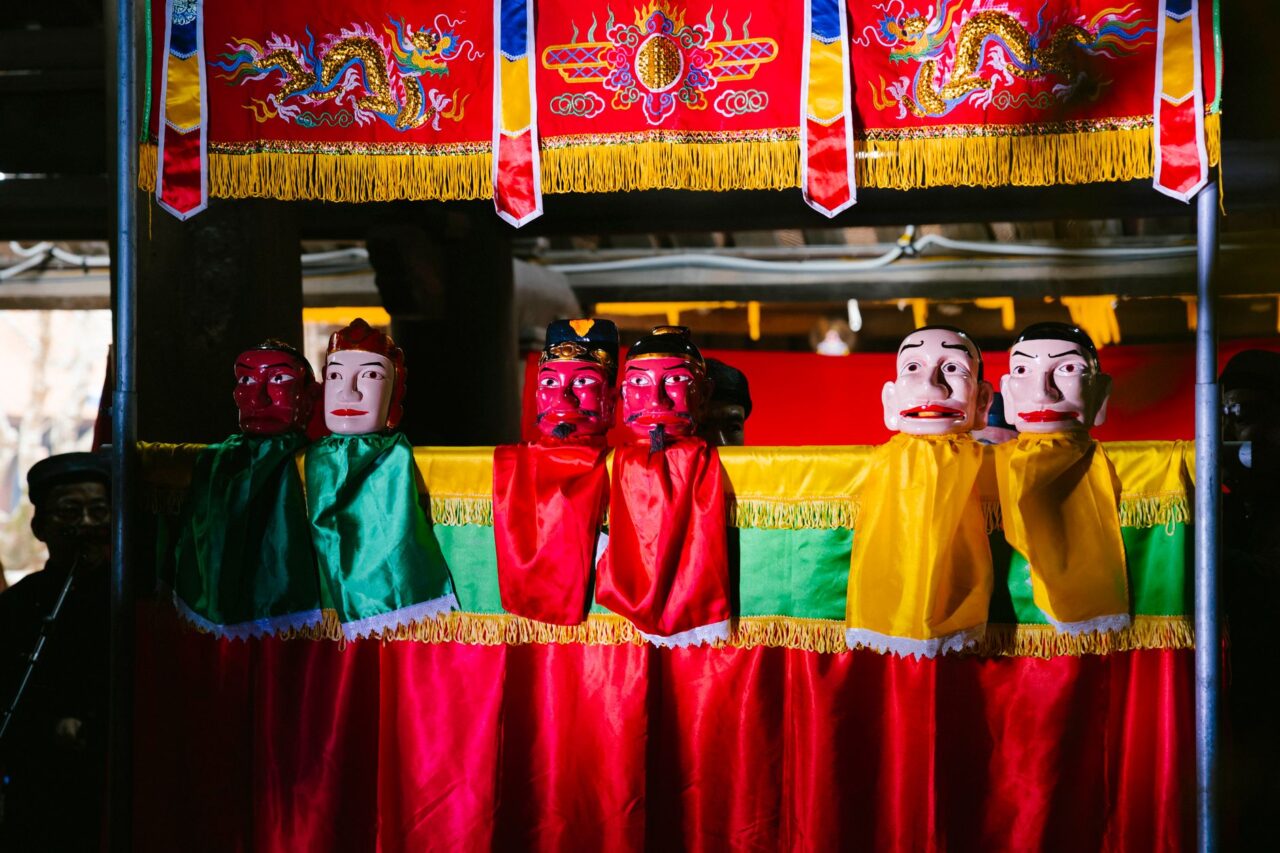
Bian Lian Mask Changing Performance in Singapore
A Sichuan opera art form where the performer swaps silk masks in a fraction of a second, booked by agencies and in-house event teams for galas, openings and Chinese New Year functions across Singapore.
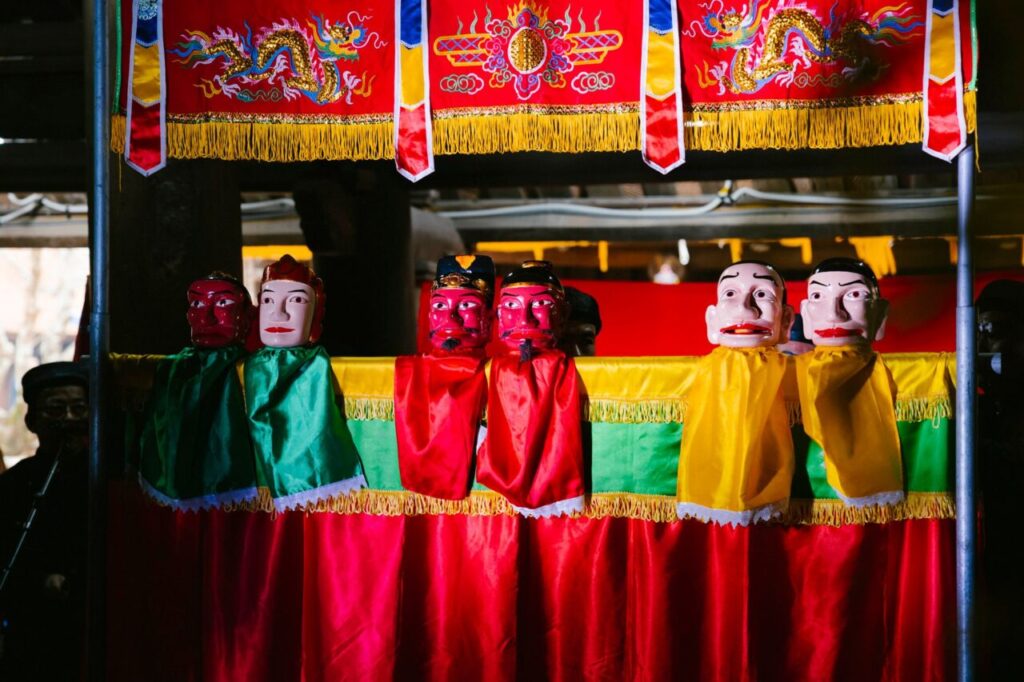
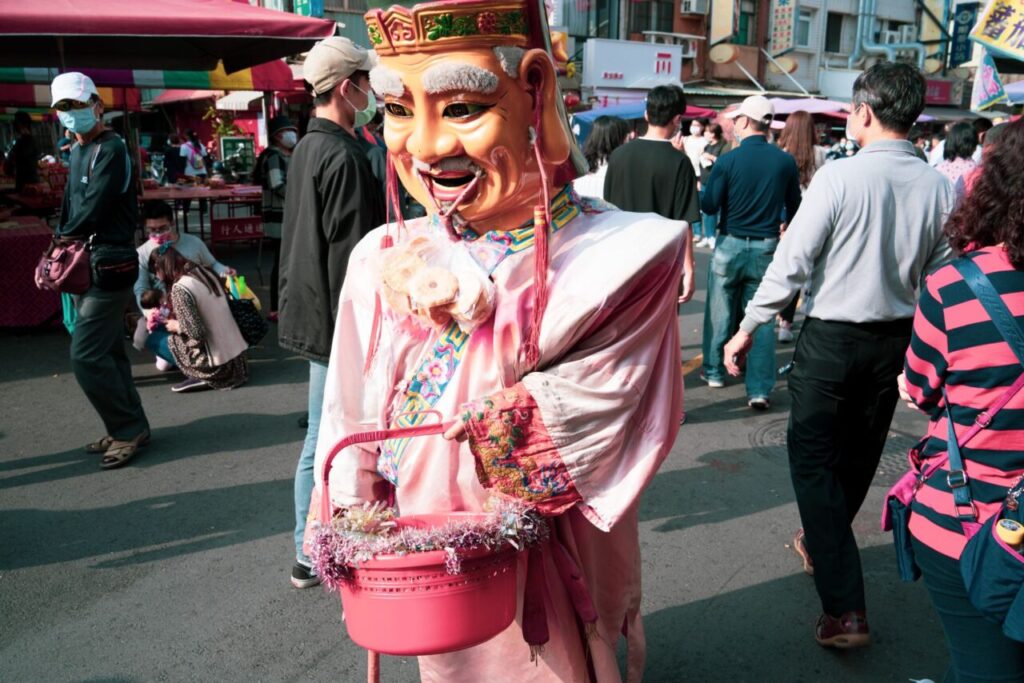
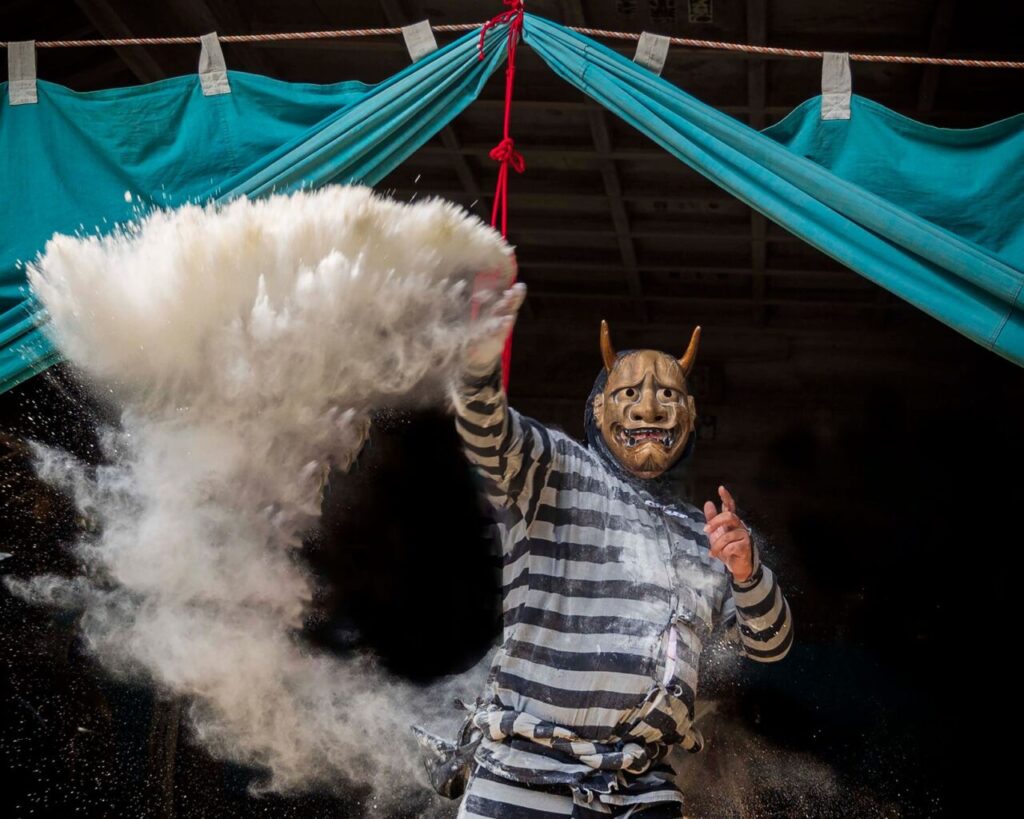
Bian lian, or face changing, is a Sichuan opera technique in which a masked performer changes facial masks instantly through concealed sleight of hand, usually ten to twenty times across a single routine. In Singapore it is booked mainly for Chinese New Year galas, corporate dinners, product launches and weddings with a Chinese program segment. A typical slot runs five to fifteen minutes. Price depends on performer experience, number of changes, add-ons such as fire breathing, and whether the event is indoor or outdoor. Book six to twelve weeks ahead, earlier during the Chinese New Year period.
What the Bian Lian mask changing performance actually is
Bian lian is a two hundred year old technique from Sichuan opera. The performer wears a sequence of painted silk masks stacked and rigged under a robe, and switches between them with a turn of the head, a wave of a fan, or a sweep of the sleeve. Done well, the audience never sees the mechanism. Done badly, the switch is visible and the whole illusion collapses, which is why experience matters more than almost any other factor in this act.
The method is a closely guarded craft. Serious performers train for years before they perform publicly, and traditionally the technique was passed down within families or opera troupes rather than taught openly. When you book a bian lian mask changing performance in Singapore, you are booking both a visual spectacle and a piece of living Chinese performing arts heritage, which is part of why it lands so well at Chinese New Year functions and heritage themed corporate events.
A standard routine pairs the mask changes with movement: stylised walking, fan work, sometimes acrobatic turns, and often a closing reveal where the performer removes the final mask to show their own face to the crowd. Some acts fold in flame or smoke effects (fire breathing) as a closing flourish, which we cover under technical requirements below since it changes what the venue needs to approve.
Formats and set lengths
Most Bian Lian bookings in Singapore fall into three lengths: a short five minute insert for a stage program, a standard eight to twelve minute solo set, and an extended fifteen minute plus set that combines mask changing with other Chinese traditional elements such as a lion dance segment or a fan dance interlude performed by the same troupe.
| Format | Typical length | Best for |
|---|---|---|
| Short insert | 5 to 7 minutes | Award ceremonies, gala interludes, countdown segments |
| Standard solo set | 8 to 12 minutes | Corporate dinners, product launches, CNY lo hei segments |
| Extended combination set | 15 to 20 minutes | Festival stages, large galas, multi-act cultural programs |
| Walkabout or meet and greet | Flexible, repeated short bursts | Exhibition floors, retail openings, roving entertainment |
Number of mask changes per set is something to confirm directly with the performer rather than assume. Ten to twenty changes in a single routine is common, but the count depends on the choreography agreed and how long the slot runs. If you want a specific number for a sponsor reveal or a branded mask at the end, say so when you book, since that mask has to be made or sourced in advance.
Which events it suits
Bian Lian performs strongest at events with a Chinese cultural thread already running through the program. Chinese New Year corporate dinners and lo hei functions are the most common booking, followed by weddings with a tea ceremony or a Chinese banquet segment, grand openings of F&B or retail businesses looking for a lucky and dramatic launch moment, and heritage or tourism themed events.
It also works as a standalone novelty act on a mixed entertainment bill, placed between a magician and a dance group for pacing, because the mask reveal gives a hard, visible climax that photographs well for event recap videos. It is less suited to quiet, conversational settings such as small private dinners where guests are seated close and the sightlines expose the mechanism, unless the performer specifically adjusts choreography for a close-up format.
If you are planning a wider cultural program rather than a single act, it is worth looking at our cultural dance acts in Singapore or browsing the full act type directory to see what pairs well with a face changing segment on the same bill.
Space, power and technical needs
The costume rigging that makes Bian Lian work needs a level, dry, hard surface. Grass, sand or uneven decking makes the quick turns and sleeve movements risky and can expose the switching mechanism, so for outdoor events the agency will usually ask for a stage, platform or hard flooring panel. Wet weather is a genuine problem for silk masks, so an open air booking needs a tented or covered backup confirmed before the date, not on the day.
A wireless microphone or headset mic is standard if there is any narration, and a basic sound system capable of playing the performer's own backing track is required. Most performers travel with their own music but will confirm the audio format in advance, so it is worth checking this at booking stage rather than assuming the venue's house system will just plug in.
A private area near the stage for pre-show costume setup is non-negotiable. The mask rigging takes time to prepare correctly and cannot be rushed or done in public view without ruining the illusion. If the act includes a fire breathing closing move, the venue needs to be told at enquiry stage, since many indoor venues in Singapore require fire safety clearance or a fire marshal on standby for any open flame element, and some will not permit it indoors at all. Confirm this with your venue management directly, because the rule varies building to building.
| Requirement | Minimum to confirm |
|---|---|
| Floor | Level, hard, dry surface, stage or platform preferred |
| Power | Standard power point near the performance area for sound equipment |
| Audio | Wireless mic if narrating, playback system for backing track |
| Backstage | Private setup space, ideally with a mirror, out of guest sightlines |
| Weather (outdoor) | Covered or tented contingency confirmed in advance |
| Fire element | Venue approval and any required fire safety clearance, checked before booking |
What drives the price
There is no fixed market rate to quote here, and anyone who gives you a single number without asking about your event first is guessing. What actually moves the price is a short list of factors, and it is worth going through them before you ask for a quote so the number you get back is accurate rather than revised later.
- Performer experience and reputation. This is a craft skill, and performers who have trained longer and perform cleaner switches charge more, reasonably.
- Set length and number of mask changes. A five minute insert costs less than an extended twenty minute combination set with a lion dance segment.
- Add-on elements. Fire breathing closers, custom branded masks, or a second performer for a duo routine all add to the quote.
- Date and season. Chinese New Year week is the highest demand period of the year for this act in Singapore, and rates and availability both tighten.
- Location and timing. Travel outside the central business district, late night slots, or multiple shows in one evening affect the quote.
- Indoor versus outdoor. Outdoor bookings sometimes need extra rigging, a floor panel, or weather contingency staffing, which gets reflected in the price.
Ask for a quote that itemises these factors rather than a flat figure, so you can see what you are paying for and adjust the scope if the budget is tight. For context on how this act compares with other options, our event type guides break down typical entertainment combinations by budget tier.
How booking works
Booking a Bian Lian performer follows roughly the same steps across most Singapore entertainment agencies, including ours, and knowing the sequence helps you avoid last minute scrambling.
- Enquiry. Share your event date, venue, indoor or outdoor setting, and whether this is a standalone slot or part of a wider program.
- Performer match and quote. We confirm availability for your date and send a quote based on set length, add-ons and location.
- Technical rider review. The performer's floor, power, backstage and (if relevant) fire safety needs are sent to your venue for confirmation.
- Deposit and confirmation. A deposit secures the date. Terms around cancellation and rescheduling are set out in our terms and conditions, which are worth reading before you lock in a peak season date.
- Run of show. Your event manager and the performer agree exact timing, cue, and any MC introduction wording.
- Performance day. The performer arrives with enough lead time for setup and costume preparation, confirmed in advance with your venue contact.
Lead time of six to twelve weeks is comfortable for most dates. For anything in the three weeks around Chinese New Year, book as early as possible, since this is when demand for Chinese traditional acts peaks across Singapore and strong performers get locked in months ahead.
The mistake that costs the most
Booking the cheapest quote without seeing footage first
The single most expensive mistake is hiring a Bian Lian performer purely on price without watching recent performance video. This is a skill act where quality varies enormously: a visible mask switch, a stumble on an uneven floor, or a rushed costume change ruins the segment in front of your guests, often during a moment the whole room is watching, such as a VIP countdown or a sponsor reveal. Always ask for recent video of the exact routine you are booking before you confirm.
Frequently asked questions
What is a Bian Lian mask changing performance?
Bian Lian, meaning face changing, is a Sichuan opera technique where a performer swaps painted silk masks instantly through concealed sleight of hand, often ten to twenty times across a routine. It is a traditional Chinese performing art, not a modern novelty act, and is typically booked in Singapore for Chinese New Year events, weddings with a Chinese program, and cultural themed corporate functions.
How much does a Bian Lian performance cost in Singapore?
There is no fixed rate. Price depends on performer experience, set length, number of mask changes, whether fire breathing or custom masks are added, the date (Chinese New Year week is peak demand), and whether the event is indoor or outdoor. Request a quote with your event details so the figure reflects your actual booking rather than a generic estimate.
How long does a face changing act last?
Standard bookings run five to twenty minutes. A short insert for an awards segment is typically five to seven minutes, a standard solo set is eight to twelve minutes, and an extended set combining mask changing with other Chinese traditional elements such as lion dance can run fifteen to twenty minutes.
Can Bian Lian be performed outdoors?
Yes, but it needs a level, dry, hard surface, since grass or uneven ground makes the quick turns risky and can expose the mechanism. Outdoor bookings also need a weather contingency plan confirmed in advance, because wet conditions damage the silk masks and can force a last minute cancellation if there is no covered backup.
Is fire breathing part of a Bian Lian performance?
It can be added as a closing flourish but it is not automatic. Fire elements require venue approval and often a fire safety clearance, which varies by building in Singapore, so this needs to be raised with your venue at enquiry stage, not confirmed after the performer is already booked.
How far in advance should I book a Bian Lian performer?
Six to twelve weeks is comfortable for most events. If your date falls within the Chinese New Year period, book as early as possible, since this is the highest demand window of the year for Chinese traditional acts in Singapore and strong performers get reserved well in advance.
What events is Bian Lian suitable for?
It works best at events with an existing Chinese cultural thread: Chinese New Year corporate dinners, lo hei functions, weddings with a tea ceremony or Chinese banquet, and grand openings looking for a dramatic launch moment. It also works as a standalone novelty act on a mixed entertainment bill between other performers.
How many mask changes happen in one routine?
Ten to twenty changes in a single routine is typical, though the exact count depends on the agreed set length and choreography. If you need a specific number, such as a final branded mask reveal for a sponsor, discuss this with the performer at the booking stage since custom masks need lead time to prepare.
Ready to book a Bian Lian performer for your event?
Tell us your date, venue and format and we will match an experienced performer and send a clear, itemised quote.
Get a Free Quote