

Teh Tarik Live Station for Events in Singapore
A hired teh tarik man, two steel cups, and a crowd watching tea get pulled and poured before it's served warm.
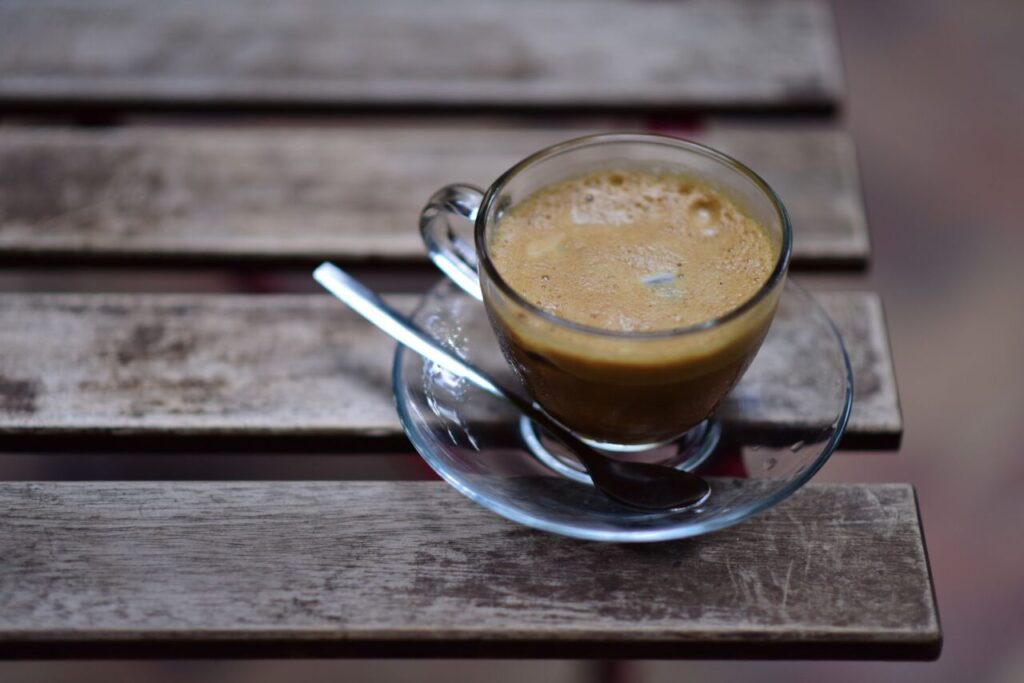
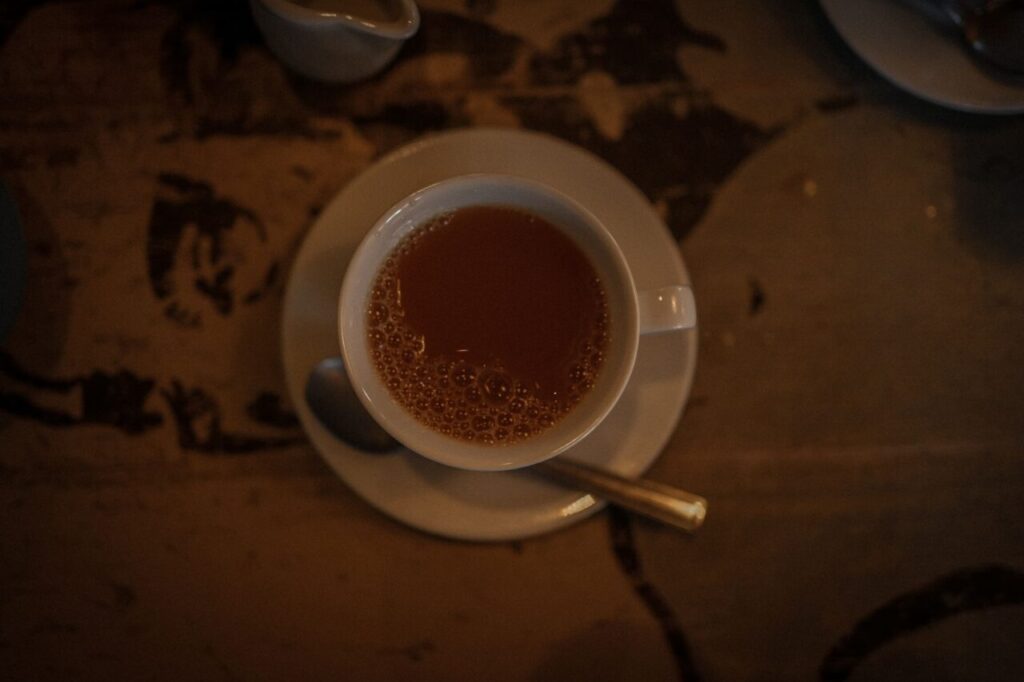
A teh tarik live station is a hired setup where a trained teh tarik man pulls hot milk tea between two cups, often with theatrical tricks, and serves it fresh to guests. In Singapore it's booked for weddings, corporate events, Hari Raya and Chinese New Year parties, and roadshows. Hire typically runs one to three hours with one or two attendants, in either a plain serving format or a performance format with crowd interaction. Price depends on duration, headcount, and whether tricks are included.
- What a teh tarik live station actually is
- Formats and set lengths
- Which events it suits
- Space, power and technical requirements
- What drives the price
- How booking works
- The mistake that ruins the day
- FAQ
What a teh tarik live station actually is
Teh tarik means "pulled tea" in Malay. It's strong black tea mixed with condensed or evaporated milk, poured back and forth between two metal cups held at a distance, which aerates it, cools it to drinking temperature, and builds a thick froth on top. At an event, a teh tarik live station is this process turned into a hired attraction: a counter or table where a trained operator performs the pulling, often with flourishes like long high pours, behind-the-back pours or juggling the cups, and then hands guests a fresh cup.
It sits in the same category as other live food and beverage stations, the kind agencies supply alongside dance acts and cultural performances for weddings and corporate parties. Some clients want it purely as a beverage service, others want it booked as a performance element with its own slot on the run sheet. Both are normal and the agency supplying it should ask which one you actually want before quoting.
Formats and set lengths
There are two formats worth distinguishing, because they are priced and staffed differently.
Serving station format. The teh tarik man works continuously through a set window, serving guests as they walk past, similar to a drinks station at a buffet. There's less showmanship, more throughput. This suits cocktail receptions, roadshows and corporate events where guests circulate and the station needs to keep up with steady demand over one to three hours.
Performance format. The operator does structured demonstration segments, usually ten to fifteen minutes at a time, with tricks, a bit of patter, and crowd interaction, then serves a batch of cups after each segment. This suits stage programmes, wedding dinners between courses, and cultural festival slots where there's a compere or run sheet to slot into.
Some bookings combine both: a performance segment early in the event to draw a crowd, then the station switches to continuous serving for the rest of the night. Confirm which format you need, because performance segments usually need a compere cue or at least a clear time slot, while a pure serving station just needs to be open when guests arrive.
| Format | Typical duration | Attendants | Best suited to |
|---|---|---|---|
| Serving station | 1 to 3 hours continuous | 1, sometimes 2 for high headcount | Weddings, cocktail receptions, roadshows, mall activations |
| Performance segments | 10 to 15 minutes per segment, repeated | 1 performer, plus a server if cups are handed out separately | Stage programmes, corporate D&D, cultural festivals |
| Combined | Opening performance then ongoing serving | 1 to 2 | Weddings and launches wanting both a wow moment and steady service |
Which events it suits
A teh tarik live station works wherever there's a heritage or local flavour angle to the event, and wherever an organiser wants a live station that photographs well and gives guests something to watch, not just eat or drink.
- Weddings. Often booked alongside a cultural dance item for a Malay or multiracial wedding, or simply as a novelty beverage station during the cocktail hour.
- Corporate events and D&Ds. A short performance segment between speeches, or a serving station running through the networking portion of the evening.
- Hari Raya, Chinese New Year and National Day events. Teh tarik reads as a strongly local, recognisable element for seasonal and heritage-themed parties.
- Roadshows and mall activations. A continuous serving station draws foot traffic and gives a brand something to sample alongside.
- School carnivals and community events. Usually the serving format, run over a longer block with higher cup turnover.
If the event already has a cultural programme booked, for example cultural dance acts or bhangra dancers and dhol players, a teh tarik station is often added as a complementary element rather than booked alone. It's worth asking your agency whether bundling it with another act changes the quote, since travel and setup can sometimes be shared.
Space, power and technical requirements
This is a live station involving hot liquid poured in the air, so the physical setup matters more than people expect.
- Floor space. A counter or table footprint plus clear space around the operator for the pulling motion, ideally with a barrier or queue line so guests don't crowd in close. Confirm the exact footprint with the supplier once you know the venue layout.
- Power. Heating is usually done on an induction cooker or portable gas burner. Many indoor venues, hotels in particular, restrict or ban open flame and require induction only, sometimes with a fire permit even for that. Check your venue's policy before confirming the booking, not after.
- Water and waste. Access to a water point nearby for rinsing cups and equipment, and a way to dispose of used tea leaves and liquid waste, makes the station run smoother over a long serving window.
- Ventilation. Indoors, especially under a low ceiling or near smoke detectors, steam and heat from the burner need somewhere to go. Outdoor or tented setups generally have fewer restrictions.
- Dietary and certification. If your guest list includes Muslim guests, ask whether the ingredients and the vendor hold halal certification. This is a common question for Malay weddings and mixed corporate crowds and it's easier to confirm before the event than to explain on the day.
None of this is unusual for a food and beverage live station, but it does mean the booking conversation should include your venue's technical rider or house rules, not just the date and headcount.
What drives the price of a teh tarik live station
There's no fixed rate card for this, because the same booking can look very different depending on what's asked for. What moves the quote is duration, headcount, format, and logistics, roughly in that order.
| Factor | Effect on price |
|---|---|
| Duration | Longer serving windows need more ingredients, cups, and sometimes a second attendant to keep up with demand. |
| Headcount / cups served | Higher guest numbers mean more tea, milk and disposable cups, and possibly a second counter. |
| Format | Performance segments with tricks and crowd interaction generally cost more per hour than a plain serving station. |
| Number of attendants | One operator covers most small to mid-sized events. A second attendant adds cost but prevents queues at larger ones. |
| Venue and travel | Setup time, loading access, and distance from the supplier's base affect the final figure. |
| Timing | Public holidays, late-night slots and peak wedding season weekends can carry a surcharge. Confirm this upfront. |
Ask for a quote that states clearly what's included: hours of operation, number of cups estimated, attendants, equipment, and setup and teardown time. A number with no scope attached is not a useful quote.
The mistake that derails the booking
Confirming a teh tarik live station without checking the venue's open flame policy. Many hotel ballrooms and indoor malls in Singapore prohibit gas burners outright and need advance notice, sometimes a separate fire permit, for any live cooking or heating element. Find this out before you pay a deposit, not on the morning of the event when the station can't actually be set up as planned.
How booking a teh tarik live station works
- Enquire with your date, venue and headcount. This is enough for an initial quote range.
- Decide format. Tell the agency whether you want a serving station, a performance segment, or both, and roughly how long it should run.
- Check venue rules. Confirm open flame or induction-only requirements, floor loading, power points and water access with the venue, and pass this to the supplier.
- Get a scoped quote. Expect it to state hours, attendants, equipment and estimated cups served.
- Confirm with a deposit. Standard for most live entertainment and F&B bookings in Singapore. Read the booking terms before you sign, particularly around cancellation and weather or venue changes.
- Finalise the run sheet. If it's a performance segment, agree the time slot with your emcee or event manager so it's cued properly on the day.
- Setup window. Agree an arrival time before guests arrive, since the station needs setup, a safety check and sometimes a venue sign-off before service starts.
If you're planning a wider cultural programme rather than a single station, it's worth browsing the full range of act types or looking at what's typically booked for your kind of event under event type, since a teh tarik station is often one piece of a bigger run sheet rather than the only booking.
Frequently asked questions
What is a teh tarik live station?
A teh tarik live station is a hired beverage setup where a trained operator, sometimes called a teh tarik man, pulls hot milk tea between two steel cups and serves it to guests. It can run as a continuous serving station or as short performance segments with tricks and crowd interaction, and is commonly booked for weddings, corporate events and cultural festivals in Singapore.
How long does a teh tarik live station typically run?
Most serving stations run one to three hours continuously, timed to a reception, cocktail hour or networking block. Performance formats usually run as repeated ten to fifteen minute segments rather than one long block. The exact duration should be agreed with the supplier based on your event's programme and headcount.
Does a teh tarik station need special venue approval?
Often yes. Teh tarik is prepared using a heated burner, usually induction or portable gas, and many indoor venues in Singapore restrict or ban open flame cooking, sometimes requiring a separate fire permit. Always confirm your venue's policy before booking and pass this information to your supplier so the equipment matches what's allowed.
Is teh tarik halal certified?
This depends on the specific supplier and their ingredients, so it should be confirmed directly rather than assumed. If your guest list includes Muslim guests, ask your agency or vendor for their halal certification status before confirming the booking, particularly for weddings and large mixed corporate events.
How many cups can one attendant serve per hour?
This varies with pouring speed, whether tricks are included, and how continuously the station runs. It's reasonable to ask your supplier for an estimated cups-per-hour figure based on your headcount and duration, and to request a second attendant if your guest count is on the higher side, to avoid long queues at the station.
Can a teh tarik live station be combined with a dance performance?
Yes, this is common for weddings and cultural events in Singapore. A teh tarik station is often paired with a cultural dance item or another live act as part of the same programme, and bundling bookings with one agency can sometimes simplify logistics and travel costs. Ask your supplier whether a combined quote is available.
What space does a teh tarik station need at a venue?
At minimum a counter or table footprint with clear space around the operator for the pulling motion, plus ideally a barrier or queue line so guests keep a safe distance from the hot pours. Exact dimensions depend on the venue layout and should be confirmed with the supplier once a floor plan is available.
How far in advance should I book a teh tarik live station?
There's no fixed rule, but popular dates such as wedding season weekends and public holidays get booked up earlier, so enquiring a few weeks to a couple of months ahead gives more flexibility on timing and attendants. For urgent dates it's still worth asking, since availability varies supplier to supplier.
Planning a teh tarik live station for your event
Tell us your date, venue and format, and we'll scope attendants, equipment and timing around what your venue allows.
Get a Free Quote