

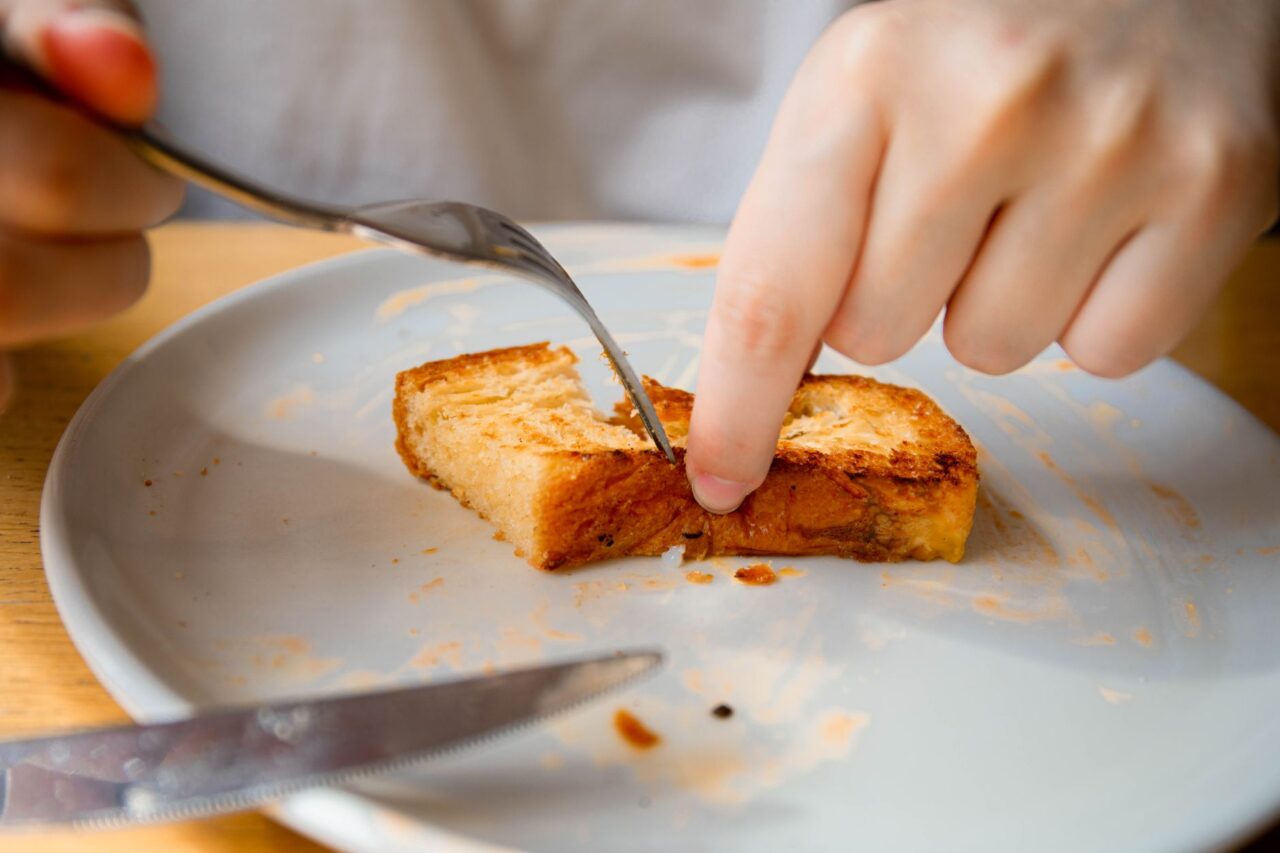
Kaya Toast Live Station for Events in Singapore
A staffed kopitiam-style station serving fresh charcoal toast, kaya and butter, soft-boiled egg and traditional kopi, built as a live activity rather than a buffet line.
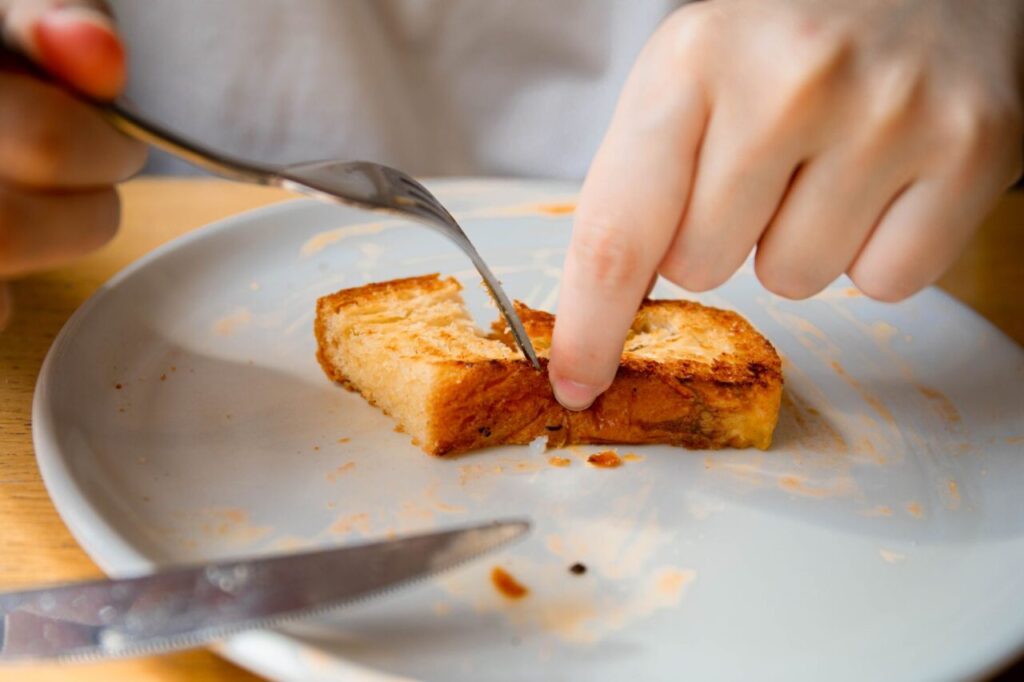
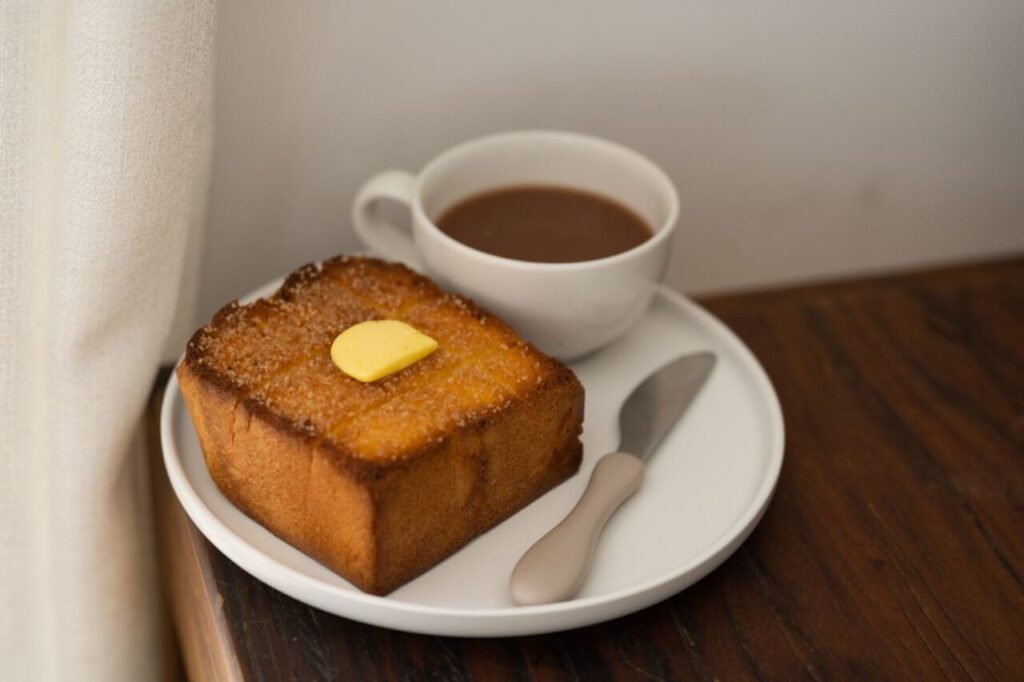
A kaya toast live station is a manned kopitiam-style counter at your event where an attendant toasts bread over charcoal or a traditional press, spreads kaya and butter, prepares soft-boiled eggs with dark soy and white pepper, and pours kopi or teh to order in front of your guests. It runs as a 1 to 2 hour service window, suits breakfasts, National Day functions, retro-themed parties and roadshows, and is usually booked through an entertainment or event agency that pairs it with the right licensed caterer for food handling.
- What a kaya toast live station actually is
- Formats and set lengths
- Which events it suits
- Space, power and technical requirements
- How booking works
- What drives the price
- FAQ
What a kaya toast live station actually is
This is not a buffet tray of pre-made toast sitting under a heat lamp. A kaya toast live station is built around theatre: your guests watch bread go onto a charcoal grill or a traditional sandwich press, see the kaya and slab butter spread by hand, and get a soft-boiled egg cracked open at the counter with dark soy sauce and white pepper on the side. The kopi, the local coffee made with a sock filter and condensed milk, is often poured with a visible pulling action between two cups, which is part of what makes the station work as entertainment and not just food service.
Because it involves live food preparation, the station is always run with a trained attendant and, depending on scale, through a partner caterer holding the relevant Singapore Food Agency licensing. That separation matters: the agency arranges the look, the branding, the uniform and the show element, while the food handling itself sits with a properly licensed vendor. Ask about this split before you book, because some venues only accept food from their approved caterer list.
Formats and set lengths
Most clients book one of three set ups. The first is a straight live station with a fixed counter, usually run for a single continuous block of one to two hours and sized to your guest count. The second is a retro kopitiam cart, a smaller mobile unit with vintage signage and tiled counter styling, better for roving service or tight floor plans where a full counter will not fit. The third is a combo station that adds a soft-boiled egg bar and a kopi or teh tarik pouring corner next to the toast counter, which spreads the queue across three touch points instead of one.
| Format | Typical duration | Best for |
|---|---|---|
| Standard live station | 1 to 2 hours | Corporate breakfasts, National Day events, launches |
| Retro kopitiam cart | 1 to 2 hours, extendable in 30 minute blocks | Tight venues, roving service, lobby activations |
| Combo station (toast, egg, kopi) | 1.5 to 3 hours | Weddings, heritage-themed galas, larger headcounts |
Extensions beyond the booked window are usually possible in 30 minute increments if the venue timing allows it, but confirm this at the point of booking rather than on the day, since staffing and ingredient quantities are planned against the original window.
Which events suit a kaya toast live station
This works best wherever a local, nostalgic flavour fits the theme rather than at a plated formal dinner. The most common bookings are corporate breakfast meetings and townhalls, National Day and SG-themed celebrations around 9 August, retro or kampong-themed weddings and dinners, school heritage days, roadshows and mall activations, and festive year-end parties where a heritage corner sits alongside other local F&B stations. It also pairs naturally with other cultural acts on the same programme, for example a short cultural dance segment before guests move to the breakfast corner, which is worth discussing with your agency if you are building a themed morning or a full heritage segment rather than a single station.
It is a weaker fit for strictly seated, plated functions where guests will not be moving around, and for venues with no tolerance for live cooking smells or smoke near air-conditioned interiors. If your event is one of those, ask about the electric press version instead of the charcoal set up, since it produces far less smoke and is accepted in more indoor venues.
Space, power and technical requirements
The footprint is small compared to a full catering line, but it is not nothing. A standard counter needs room for the grill or press, a prep table for kaya, butter and bread, an egg station if included, and a queue lane that does not block fire exits or main walkways. Charcoal set ups need either outdoor placement or confirmed ventilation and the venue's sign off on open flame, since many indoor venues in Singapore restrict or ban charcoal cooking entirely. Electric presses solve this for most indoor bookings but still need a dedicated power point.
| Requirement | What to confirm |
|---|---|
| Floor space | Counter footprint plus queue lane, typically a few square metres, confirm exact size against your floor plan |
| Power | Single dedicated point for electric press or kettle setup, confirm voltage and whether an extension is needed |
| Ventilation and fire safety | Charcoal requires venue approval and often outdoor or well-ventilated placement, ask before assuming it is allowed |
| Water access | Nice to have for cleanup, not always essential, confirm with the vendor for your chosen format |
| Table and signage | Counter, table skirting and kopitiam-style signage usually supplied, confirm what is included versus venue-provided |
If your venue is outdoors, ask about shade and wind cover for the charcoal element, since open flame in strong wind is a safety issue the attendant will not be allowed to ignore regardless of how the event timeline is running.
How booking works
Start with your guest count, event date, venue and whether the setting is indoor or outdoor. From there the agency recommends a format and checks it against the venue's F&B policy, since some corporate venues and hotels require all food to go through their own in-house or approved caterer list, which can rule out an external station entirely or require a corkage-style arrangement. This check should happen before you commit a date, not after.
- Share your date, headcount, venue and whether indoor or outdoor placement is needed.
- Confirm with the venue whether external F&B or live cooking stations are permitted, and whether charcoal is allowed.
- Pick a format: standard counter, kopitiam cart, or the combo station with egg and kopi included.
- Agree the service window and any extension terms in writing.
- Confirm dietary needs, including halal and vegetarian options, at least a week before the event.
- Final headcount and site access details are usually locked in a few days before the event date.
Peak periods in Singapore, particularly the weeks around National Day in August and the year-end festive calendar, get booked out early. If your date sits inside one of those windows, ask about lead time rather than assuming availability.
What drives the price
There is no single fixed rate for this, because the price moves with guest count, duration, format and how many touch points you add. A small 1 hour toast-only counter for a modest headcount costs far less than a 3 hour combo station with egg and kopi running for a large wedding. We are not going to quote a figure here because it varies by season, headcount and venue, but the factors below are what actually move the number up or down.
| Factor | Effect on price |
|---|---|
| Guest count | Higher headcount needs more ingredients and often a second attendant |
| Duration | Longer service windows mean more staffing hours and ingredient volume |
| Format | Combo stations with egg and kopi cost more than a single toast-only counter |
| Charcoal vs electric | Charcoal setups may carry a premium for fuel and extra safety handling |
| Dietary variants | Halal certified or vegetarian substitutions can adjust ingredient cost |
| Venue and timing | Peak dates, late-night slots and far-flung venues can carry a surcharge |
The single most expensive mistake
Booking a kaya toast live station, paying a deposit, and only then finding out the venue does not permit external F&B vendors or does not allow charcoal cooking indoors. This forces a last-minute format change, a vendor swap, or a cancelled station on event day. Confirm the venue's F&B and fire safety policy in writing before you book the date, not after.
Pairing it with the rest of your programme
A kaya toast live station rarely stands alone on a full event programme. For National Day functions and heritage-themed corporate events, it is often paired with a short cultural dance segment or a roving performance before the breakfast window opens, which keeps guests engaged during arrival rather than queuing cold. If you are building a wider local or festive theme, it is worth looking at the cultural dance Singapore options or browsing the full act type range to see what fits alongside the station on the same run sheet. If you are not sure where a live food station sits within your specific event format, the event type page breaks down what typically works for weddings, corporate functions and festive parties.
Frequently asked questions
What is a kaya toast live station?
It is a manned kopitiam-style counter where an attendant toasts bread fresh over charcoal or an electric press, spreads kaya and butter, prepares soft-boiled eggs with dark soy and white pepper, and serves kopi or tea. It is built as a live activity rather than pre-plated catering, which is why it is booked through an entertainment agency rather than a standard buffet caterer.
How many guests can a kaya toast live station serve in an hour?
This varies with staffing, format and queue management, so get a specific estimate against your exact headcount rather than assuming a fixed number. A combo station with a second attendant and parallel egg and kopi counters will clear a queue faster than a single counter running toast, egg and drinks from one point.
Does a kaya toast live station need a food license?
Food preparation and service at events in Singapore falls under Singapore Food Agency requirements, so the live station is run in partnership with a licensed caterer or vendor handling the food safety side. Ask your agency to confirm which partner is handling the food license for your specific booking before the event date.
Can the station be set up indoors?
Yes, but charcoal cooking is restricted or banned at many indoor venues, so an electric press setup is usually the option offered indoors. Confirm with your venue's events team what their policy is on open flame and smoke before locking in a charcoal version, since this is a fire safety decision the venue controls, not the vendor.
How far in advance should I book a kaya toast live station?
There is no fixed rule, but booking a few weeks ahead gives more flexibility on format and staffing. Dates around National Day in August and the year-end festive period fill up earlier than quieter months, so if your event sits in one of those windows, ask about availability sooner rather than later.
Is halal or vegetarian kaya toast available?
Yes, halal certified and vegetarian variants can usually be arranged, but this needs to be confirmed with the catering partner at the time of booking rather than assumed as a default, since ingredient sourcing for a halal certified version takes lead time.
Can a kaya toast live station be combined with other performers?
Yes, it is commonly paired with a short cultural dance segment or roving act, particularly for National Day events, heritage-themed weddings and corporate festive parties. This is worth planning together with your agency so the timing of the performance and the food service do not clash on the run sheet.
What is the typical duration of a booking?
Most bookings run 1 to 2 hours for a standard counter and up to 3 hours for a combo station with egg and kopi included. Extensions in 30 minute blocks are often possible if agreed in advance, but should be confirmed at booking rather than requested on the day.
Ready to add a kaya toast live station to your event?
Tell us your date, headcount and venue, and we will confirm the right format and check the venue's F&B policy before you commit.
Get a Free Quote