

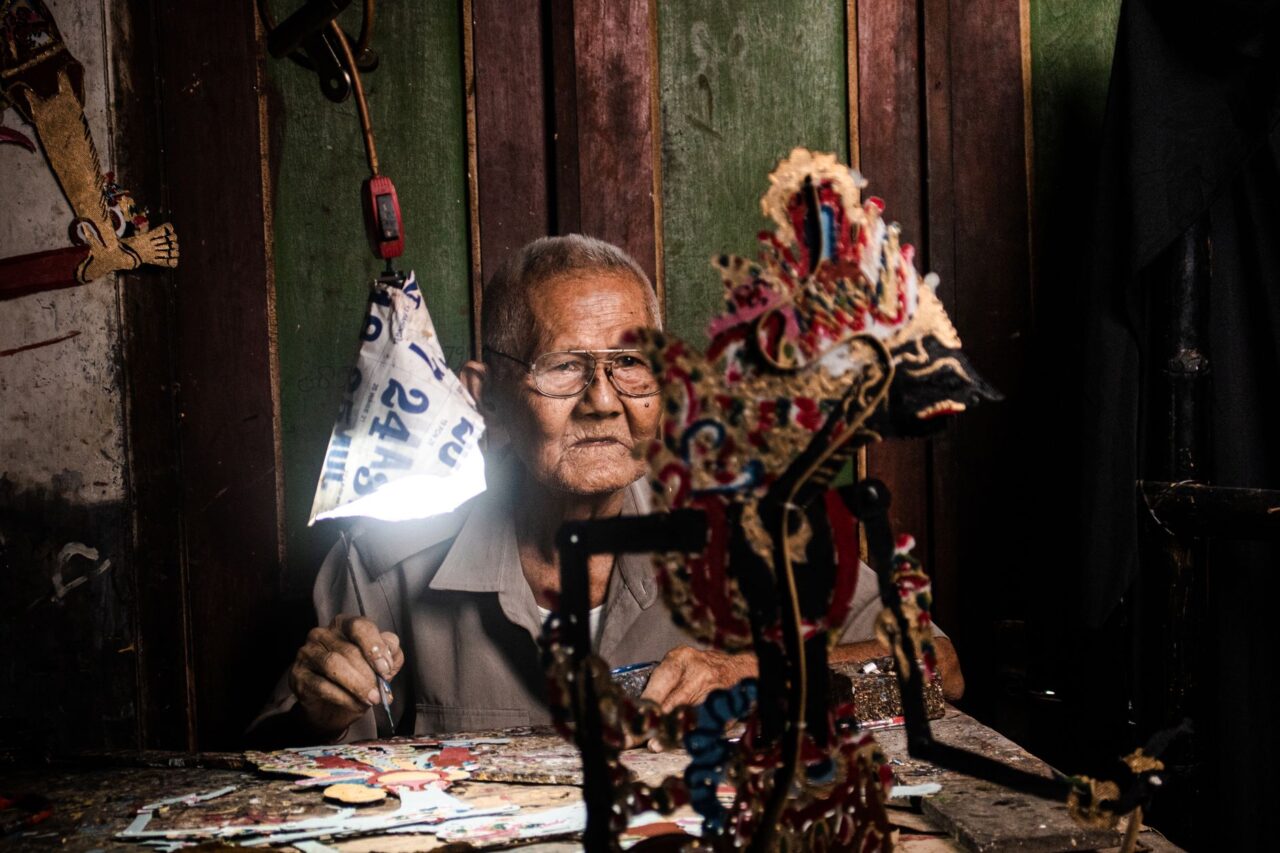
Wayang Kulit Shadow Puppet Performance in Singapore
An old Malay and Javanese storytelling art, staged behind a lit screen, that still works as a genuine conversation piece at a modern event.
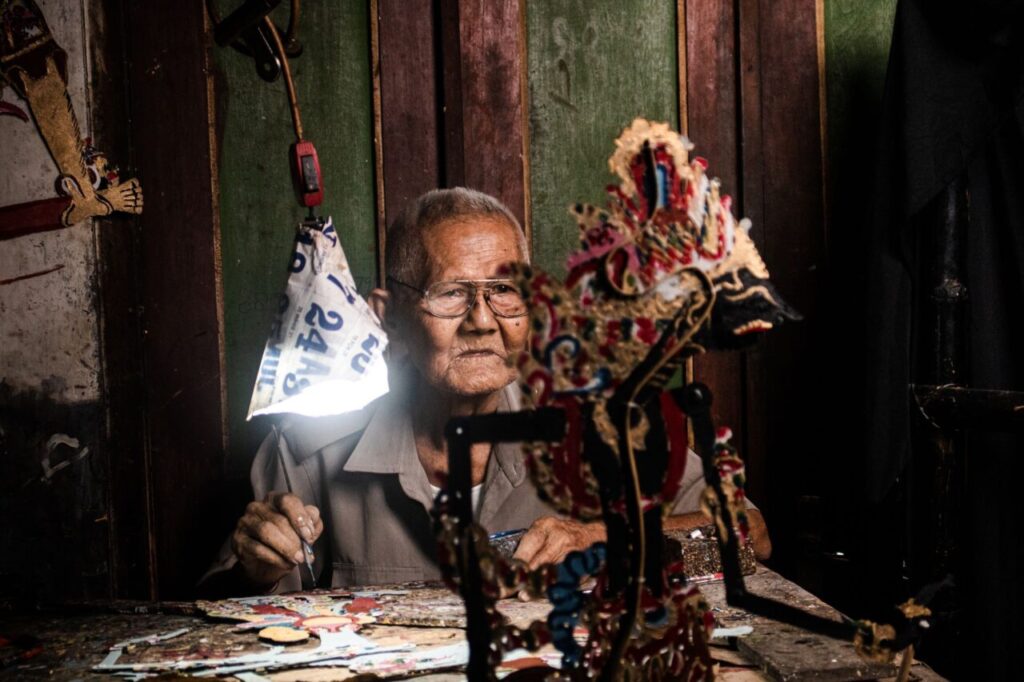
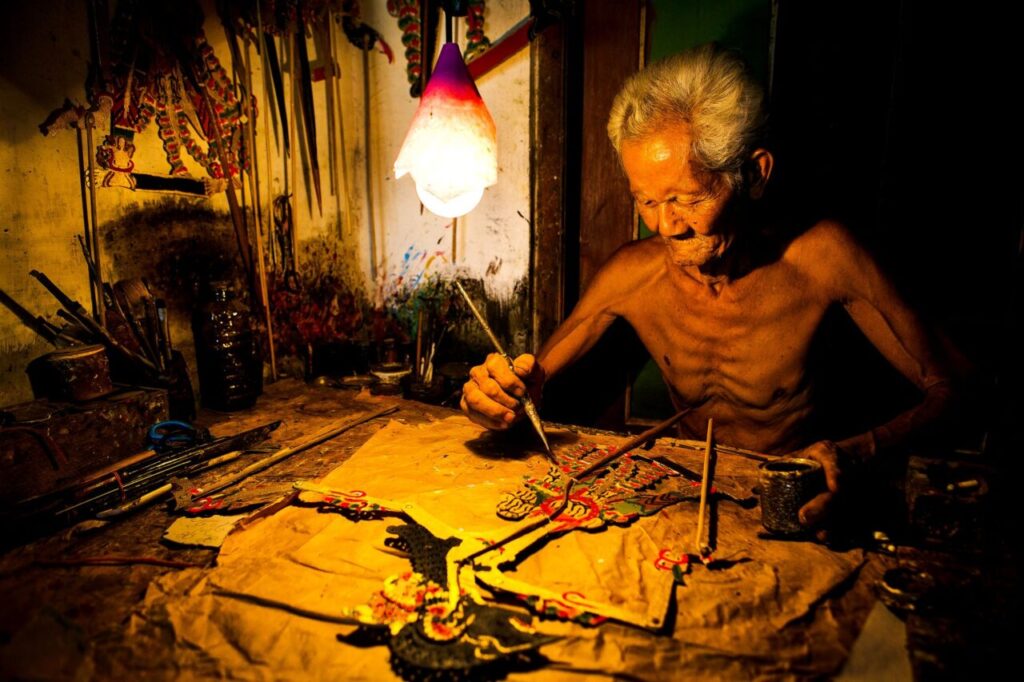
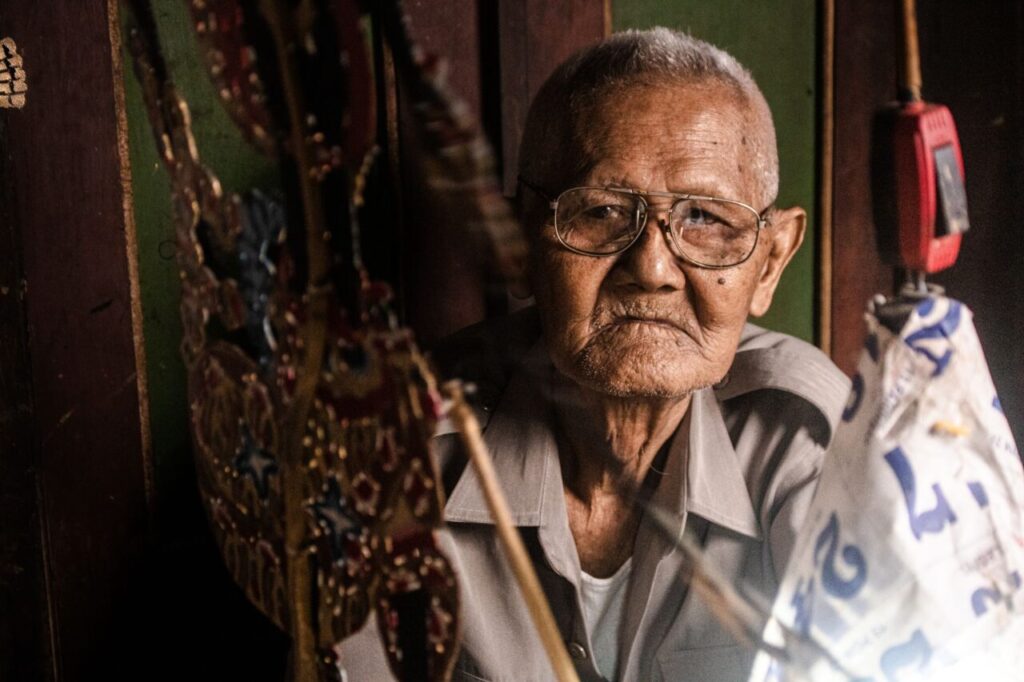
Wayang kulit is a shadow puppet performance in which flat leather figures are moved against a backlit screen, narrated and voiced by a puppeteer called a dalang, traditionally with gamelan music. For events in Singapore it is usually booked as a shortened showcase of 15 to 30 minutes rather than the full multi-hour traditional form. It needs a dim or dark setting, a screen and light rig, a power point, and roughly 2 to 3 metres of depth behind the screen for the puppeteer to work.
What a wayang kulit shadow puppet performance actually involves
Wayang kulit means, roughly, "skin puppet" or "leather puppet". The figures are flat, carved from treated hide, painted, and mounted on sticks so a single puppeteer, the dalang, can hold and move them against a lit screen called a kelir. The audience watches the shadows, not the puppets themselves, which is where the visual effect comes from. Traditionally the light source was an oil lamp, today it is an electric bulb or LED, which actually gives a cleaner, steadier shadow.
The dalang does more than move the puppets. One person narrates the story, voices every character in a different register, cues the music, and keeps the pace. It is a genuinely skilled solo performance, closer to a one-person theatre show than a puppet demonstration. Stories traditionally draw from the Hindu epics Ramayana and Mahabharata, or from Malay Panji tales and local folklore, often adapted with humour and contemporary references woven into the narration.
In its full traditional form in the region, a wayang kulit performance can run for several hours through the night, accompanied by a live gamelan ensemble. For a Singapore event booking, almost nobody books that version. What gets booked is a shortened, event-appropriate showcase, and that distinction is the first thing to get straight with whoever you are hiring.
2. Length and contentFormats and set lengths for a wayang kulit performance
Most event bookings fall into three shapes: a short cultural showcase, a story-driven feature performance, and an interactive or educational session. The table below sets out how they differ in practice.
| Format | Typical length | What it includes | Best for |
|---|---|---|---|
| Showcase set | 15 to 25 minutes | A condensed story excerpt, recorded or live accompaniment, dalang narration in English or Malay | Opening acts, gala segments, product launch tie-ins |
| Feature performance | 30 to 45 minutes | A complete short story arc, more puppet characters, possible Q and A with the dalang after | Cultural festivals, heritage nights, Racial Harmony Day events |
| Interactive session | 45 to 60 minutes | Mini demonstration, audience members try the puppets, screen explanation, photo moment | School programmes, family days, tourism and visitor experiences |
Narration language is worth specifying up front. Many dalangs working the Singapore event circuit can perform in English, Malay, or a mix, sometimes with Mandarin narration available depending on the performer. Ask for this at enquiry stage, not on the day.
3. SuitabilityWhich events suit a wayang kulit performance
Wayang kulit works best where there is an actual reason for it, not as decoration. The strongest fits are Malay wedding receptions wanting a cultural touch beyond the standard programme, Racial Harmony Day and multicultural showcases in schools, corporate events with a Southeast Asian or Singapore heritage theme, National Day period functions, and tourism or hospitality events introducing visitors to local culture. It also sits well on a bill alongside other heritage acts, which is why organisers often pair it with a browse through our cultural dance Singapore lineup or add a contrasting energy act such as bhangra dancers and dhol players later in the programme.
It is a quieter, more contemplative act than a dance set. If your event is loud, fast-moving, and background-music-driven, wayang kulit needs its own dedicated moment with the room's attention on it, not a corner booth people walk past. That is the single biggest mismatch we see at enquiry stage: a client wants it as ambient entertainment, when the format genuinely requires people to stop and watch for it to land. For a full view of acts that do work as roaming or ambient entertainment, our act type directory is a better starting point.
4. Technical setupSpace, power and technical requirements
The physical setup is simple compared to a full stage act, but it has non-negotiable elements. You need a screen and frame, a controlled light source behind it, depth behind the screen for the puppeteer and the puppet rack, and a dim enough room for the shadow to read clearly on camera and to the back row.
| Requirement | Typical need | Why it matters |
|---|---|---|
| Screen footprint | Roughly 2m to 3m wide, confirm with the performer | Determines how many puppets can be on screen at once |
| Depth behind screen | 2m to 3m clear space | The dalang needs room to move and reach the puppet rack |
| Power | At least one dedicated power point near the screen | Powers the light source, and the sound system if used |
| Lighting | Ambient room light dimmable or switchable off | Bright ambient light washes out the shadow effect |
| Sound | House PA or a small standalone speaker | Narration and music need to carry over room noise |
Flag the lighting requirement to your venue early. A ballroom with large unblockable windows or a daytime outdoor stage is the most common reason a wayang kulit booking has to be redesigned after the fact.
The mistake that costs the most
Booking wayang kulit for a bright, open-air daytime slot without checking light control first. The shadow effect depends on contrast between the screen and the room. If the venue cannot be dimmed or the performance is scheduled for full daylight outdoors, the visual simply does not read, and no amount of rehearsal fixes that on the day. Confirm lighting conditions and timing with the performer before you lock the run of show, not after.
Indoor versus outdoor wayang kulit
Indoor, evening or dim settings are the natural home for this act and need the least adjustment. Outdoor performances are possible, but only after dark or in a shaded, enclosed tent with blackout sides, and you will usually need a generator or confirmed power supply if the venue has no fixed outlet nearby. Daytime outdoor bookings should be reconsidered or swapped for a different format, such as a static puppet display with a dalang on hand to explain the craft rather than a full shadow show. Tell your agency the event's exact time slot and whether it is indoor or outdoor at enquiry stage, since this changes what equipment gets quoted.
6. ProcessHow booking a wayang kulit performance works
The process is straightforward and usually moves in four steps once you reach out.
- Brief the event. Date, venue, indoor or outdoor, time slot, audience size, and whether the moment is a standalone segment or part of a wider cultural programme.
- Confirm format and length. Showcase, feature, or interactive session, plus narration language and whether live or recorded music accompaniment is wanted.
- Site and technical check. We confirm screen space, power access, and lighting conditions against what the venue can actually offer, and flag any adjustment needed.
- Quote, book, and run sheet. You get a written quote, a load-in and setup time, and a confirmed slot in your event's run of show.
Lead time varies with the calendar. Festival season, Malay wedding peak months, and the National Day period get booked up well in advance, so earlier enquiry gives you more choice of performer and a better chance of your preferred date.
7. Cost factorsWhat drives the price of a wayang kulit booking
We do not publish a flat rate because the format changes the cost structure. The main drivers are performance length, whether music is live (a gamelan or small ensemble) or recorded, whether the booking includes an interactive segment with extra staffing, the complexity of screen and lighting setup your venue requires, and travel or load-in time if the venue is harder to access. A 20-minute showcase with recorded music and a single dalang is the lightest booking to deliver. A full feature performance with live accompaniment and an interactive add-on is a bigger production and priced accordingly. Ask for a quote against your specific brief rather than a general price range, since the gap between a simple and a full setup is significant.
Frequently asked questions
What is wayang kulit?
Wayang kulit is a traditional shadow puppet performance from the Malay and Javanese world. Flat leather puppets are moved against a backlit screen by a puppeteer called a dalang, who also narrates the story and voices every character. The audience watches the shadows cast on the screen rather than the puppets directly, traditionally accompanied by gamelan music.
How long does a wayang kulit performance last?
Traditional performances in the region can run for several hours through the night. For event bookings in Singapore, the typical format is a shortened showcase of 15 to 25 minutes, a feature performance of 30 to 45 minutes, or an interactive session of up to an hour. Confirm the exact length with your performer when booking, since it directly affects the quote.
Is wayang kulit suitable for corporate events?
Yes, it works well for corporate events with a Southeast Asian or Singapore heritage theme, cultural diversity programmes, and client hospitality nights wanting a genuine cultural moment rather than generic entertainment. It suits a dedicated segment where guests are seated and attentive, rather than background or roaming entertainment at a cocktail reception.
How much space does a wayang kulit performance need?
You need a screen roughly 2 to 3 metres wide, plus around 2 to 3 metres of clear depth behind it for the puppeteer and puppet rack. A dedicated power point near the screen is required for lighting and sound. Exact dimensions vary by performer, so confirm the specific footprint when you book.
Can wayang kulit be performed outdoors in Singapore?
Yes, but only after dark or inside a shaded, enclosed structure with blackout sides, since the shadow effect depends on contrast between the lit screen and the surrounding darkness. A bright daytime outdoor slot will not show the effect properly. Confirm timing and lighting conditions with the performer before locking the booking.
What stories does wayang kulit tell?
Traditional repertoire draws from the Hindu epics Ramayana and Mahabharata, as well as Malay Panji tales and local folklore. For event bookings, dalangs often adapt a condensed story arc to fit the shorter set length, and some will tailor the narration content to an event theme on request.
Is wayang kulit performed in English?
Many dalangs working the Singapore event circuit can narrate in English, in Malay, or switch between the two depending on the audience. Narration language is something to confirm at enquiry stage, since not every performer offers the same language options.
How far in advance should I book a wayang kulit performance?
There is no fixed rule, but demand rises around the Malay wedding peak season, cultural festival periods, and the National Day period, so book as early as you can during those windows. For a standard corporate or school event outside peak season, a few weeks' notice is usually workable, though earlier enquiry gives more choice of performer and date.
Ready to add a wayang kulit performance to your event
Tell us your date, venue and format and we will put together a performer and a quote that fits the brief.
Get a Free Quote