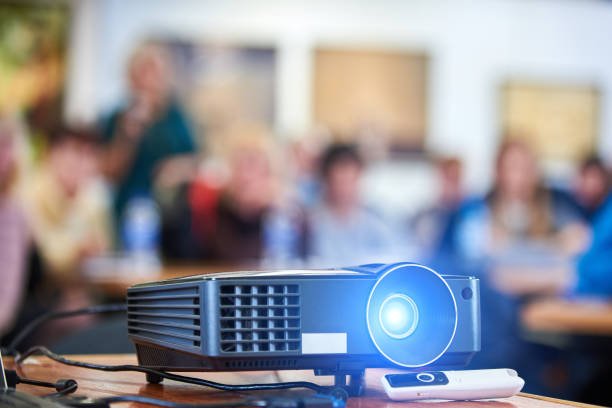
SummaryHybrid events that feel connected need a dedicated feed, not an afterthought camera on the back of the stage AV. That means a second producer for the online audience, at least one segment built only for remote viewers, and audio mixed separately for the room and the stream. In Singapore, a mid-size hybrid event with around 150 guests in the room and 300 or more online typically runs SGD 20,000 to 45,000 for production alone, confirmed against your venue and AV vendor's quote.
What is in this guide
- Why most hybrid events feel like two separate events
- Picking a hybrid format that matches your goal
- The technical setup that actually holds together
- Designing a program for two audiences at once
- Keeping remote guests engaged past the first ten minutes
- What hybrid events cost in Singapore
- A realistic planning timeline
- Choosing entertainment that works on both sides of the camera
- Frequently asked questions
1. The core problem
Why most hybrid events feel like two separate events
Walk into most hybrid setups in Singapore and you will spot the problem in the first five minutes: one camera, bolted to a tripod at the back of the ballroom, pointed at a wide shot of the stage. The in-room guests get lighting, sound, an emcee working the floor and a live band. The online guests get a grainy wide shot, muffled audio bleeding off the room speakers, and a host who never once looks at the lens. That is not a hybrid event. That is a livestream of an in-person event, and the remote half of your audience knows it within minutes.
Hybrid events that feel connected solve this by treating the two audiences as two separate production jobs that share one program. The room gets its own director. The stream gets its own director. They talk to each other through a run of show document and a countdown clock, but neither is an afterthought to the other.
2. Choosing the structure
Picking a hybrid format that matches your goal
There are three formats in common use for hybrid corporate and social events in Singapore, and picking the wrong one is the first way these events go flat.
- Full simulcast: one program, one timeline, both audiences watching the same content at the same moment with a short broadcast delay. Works best for launches, town halls and award nights where the moment matters.
- Regional hub model: a main stage in Singapore feeding two or three satellite viewing locations, each with its own host and local refreshments. Common for multinational conferences where teams in other APAC offices join without flying in.
- Asynchronous hybrid: the in-room event happens live, key segments are recorded and edited, and a polished version goes out to the wider online audience within 24 to 48 hours. Useful when remote attendees span time zones too wide to make a live simulcast fair to everyone.
Pick the format before you book anything else. It changes your camera count, your run of show, and in some cases which performers you can realistically book, since a live band mixed for a room does not automatically sound right on a stream without a separate audio feed.
3. Equipment and platform
The technical setup that actually holds together
A hybrid event that feels connected needs more than a laptop camera and good wifi. At minimum: two cameras (a wide stage shot and a closer presenter shot), a vision switcher so a human is choosing the cut rather than leaving it static, a dedicated streaming encoder, and a wired internet connection with at least 10 to 15 Mbps of dedicated upload, not shared venue wifi. Confirm the venue's internet capacity in writing before the event, not on the day. Many Singapore hotel ballrooms can supply a dedicated line on request but it is usually an extra line item, not included in the room hire.
On audio, the stream needs its own mix. Running the house PA feed straight into the encoder sounds hollow and distant online, because it is capturing the room's natural reverb along with the performance. A separate line feed from the mixing desk, balanced for headphones and laptop speakers rather than a ballroom, makes a bigger difference to perceived quality than almost any camera upgrade.
Platform choice depends on format. Zoom and Microsoft Teams work for town halls and internal conferences where attendee lists are known. A custom RTMP stream to YouTube or a private hosting page suits public launches and gala-style events where you want polish and brand control. Whichever you choose, test the actual stack, not a demo version, at least once before the event, with the same wifi, the same laptop and the same login the operator will use on the day.
4. Programming
Designing a program for two audiences at once
The emcee is the hinge the whole event turns on. A good hybrid emcee splits attention deliberately: a line to the room, a line to the lens, back to the room. This has to be written into the script, not left to instinct, because most emcees default to playing to whichever audience is physically in front of them, which is the room.
Build at least one segment that exists only for the online audience: a live poll results reveal, a remote Q&A read out by a moderator, a behind the scenes camera cut during a changeover. This gives remote guests a reason to keep their window open instead of minimising it and half-listening while they answer emails. It also signals to sponsors, if the event is sponsored, that the online audience was treated as a real audience and not a consolation feed.
5. Engagement
Keeping remote guests engaged past the first ten minutes
Engagement drops off a cliff around the ten minute mark unless something is actively managed. A dedicated chat moderator, separate from the stage producer, who answers questions and surfaces good comments back to the emcee, keeps the online side feeling like a conversation rather than a broadcast. Sending a small physical kit to key remote attendees before the event, a drink, a branded notebook, a snack timed to a toast moment on stage, closes the sensory gap that video alone cannot.
Entertainment choices matter here too. Acts that read well on camera, such as a tightly choreographed dance ensemble or a close up magician, translate better to a stream than a large band spread across a wide stage, where the online audience sees a lot of empty space between performers. If live music is central to the event, ask your entertainment provider how the act has been mixed for stream before, not just how it sounds live in the room.
6. Cost
What hybrid events cost in Singapore
Cost scales with camera count, crew size and whether the event needs regional hubs or simultaneous interpretation. The ranges below are typical for Singapore-based production and should be confirmed against quotes from your venue and AV vendor, since venue restrictions on outside AV and union labour requirements vary by property.
| Scale | In-room guests | Remote attendees | Typical cost (SGD) | What it usually includes |
|---|
| Small town hall | Up to 50 | Up to 100 | 8,000 to 18,000 | Single camera, switcher, one streaming platform license, one on site technician |
| Mid-size conference or launch | 100 to 200 | 300 to 500 | 20,000 to 45,000 | Multi camera, dedicated stream producer, custom stream branding, separate audio mix |
| Large gala or product launch | 300 plus | 500 plus | 50,000 to 120,000+ | Broadcast-grade crew, regional viewing hubs, interpretation, custom staging and lighting |
A few things that routinely get missed when budgeting: interpretation or captioning for a mixed-language audience, a second internet line as backup in case the primary connection drops mid-stream, and the hours needed to edit and distribute a recording afterward if the event is meant to have a second life as content.
7. Timeline
A realistic planning timeline
Hybrid adds roughly two to three extra weeks of lead time compared to a straightforward in-person event, mostly for tech testing and rehearsal. This is a general guide and should flex depending on venue availability and how many acts or speakers are involved.
| Lead time | Milestone |
|---|
| 12 weeks before | Confirm format (simulcast, hub model or asynchronous), overall budget and platform |
| 8 weeks before | Book AV vendor and venue, confirm entertainment acts and check how they have been mixed for stream before |
| 6 weeks before | First technical test of the full stack: cameras, switcher, encoder, platform login |
| 4 weeks before | Finalise run of show, send any physical kits to key remote attendees |
| 2 weeks before | Full dress rehearsal with both feeds running live |
| 1 week before | Final tech check, confirm a backup internet line and a backup recording device |
| Day of event | On site producer dedicated solely to the stream, separate from the stage director |
The mistake that costs the most
Treating the stream as a camera bolted onto the existing AV rig, decided in the final two weeks rather than planned from the start. Fixing this after the fact usually means a rushed second edit, refunded sponsor packages because the online audience numbers or engagement did not hold up, and in some cases a reshoot of key segments for use in post-event content. Budget and plan the stream as its own production from week one, with its own camera plan and its own audio mix, and this problem does not arise.
Choosing entertainment that works on both sides of the camera
Not every act built for a live room translates to a screen, and this is worth discussing with your entertainment provider before you book, not after. A full cultural dance ensemble, for example, reads strongly on camera because the choreography and costume detail hold up at a distance, whereas a large band spread wide across a stage can look sparse through a single wide shot unless the camera plan accounts for it with closer cuts. Acts like Bollywood dancers or bhangra dancers and dhol players work well for both audiences because the energy is visual as much as audible, which matters when the stream audio is inevitably a step removed from the live sound in the room.
If you are still deciding what kind of event this is, our event type guide breaks down what tends to work for conferences, launches and galas specifically, and our act type page covers the full range of performers we can match to a hybrid run of show, from solo acts to full ensembles.