

Candle Making Workshop for Corporate Events in Singapore
A hands on, low mess team activity that scales from a 20 pax offsite to a 200 pax CSR day, run with electric wax melters so you don't need a naked flame permit.
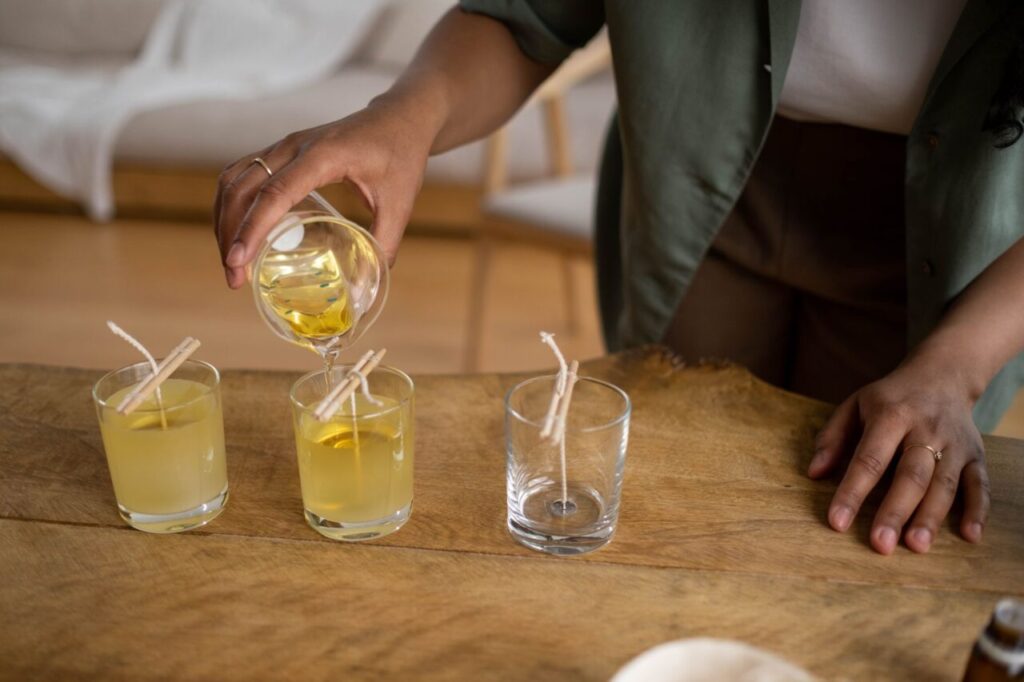
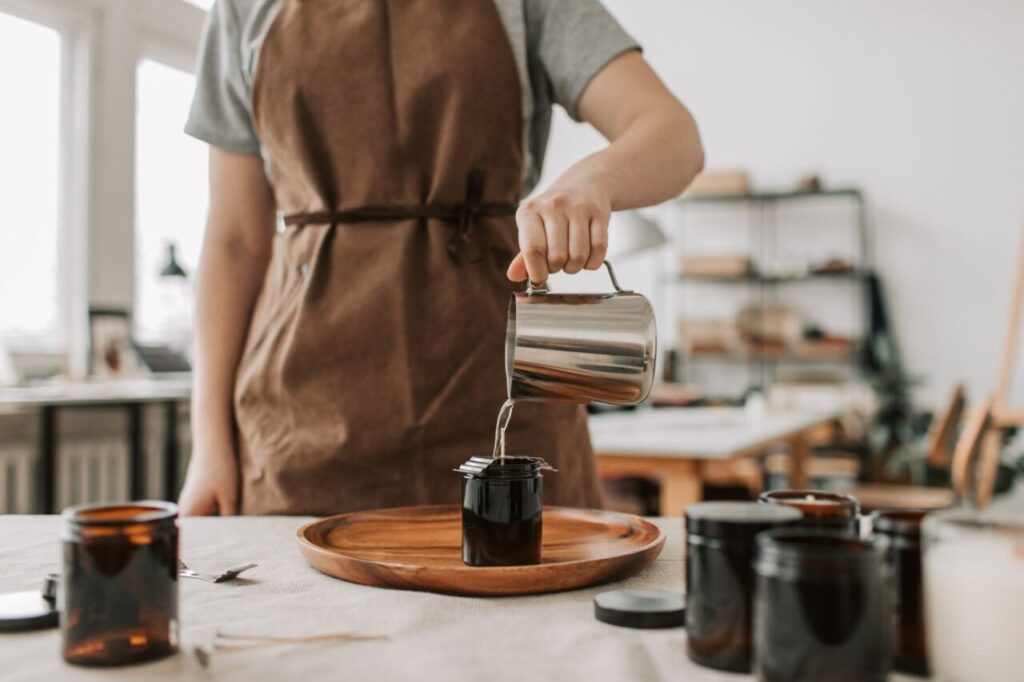
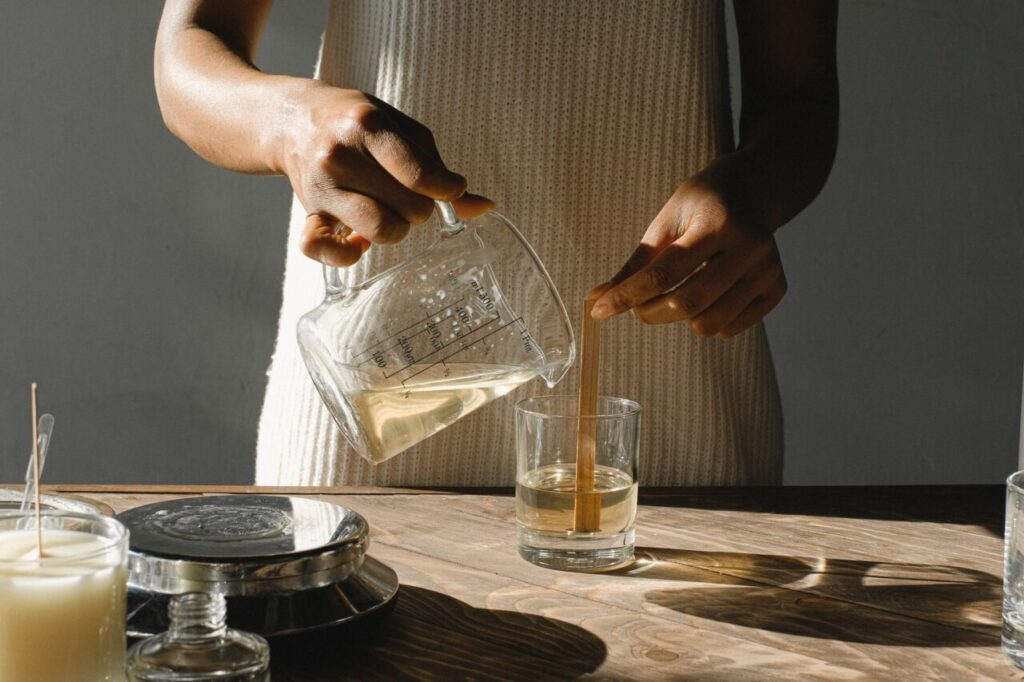
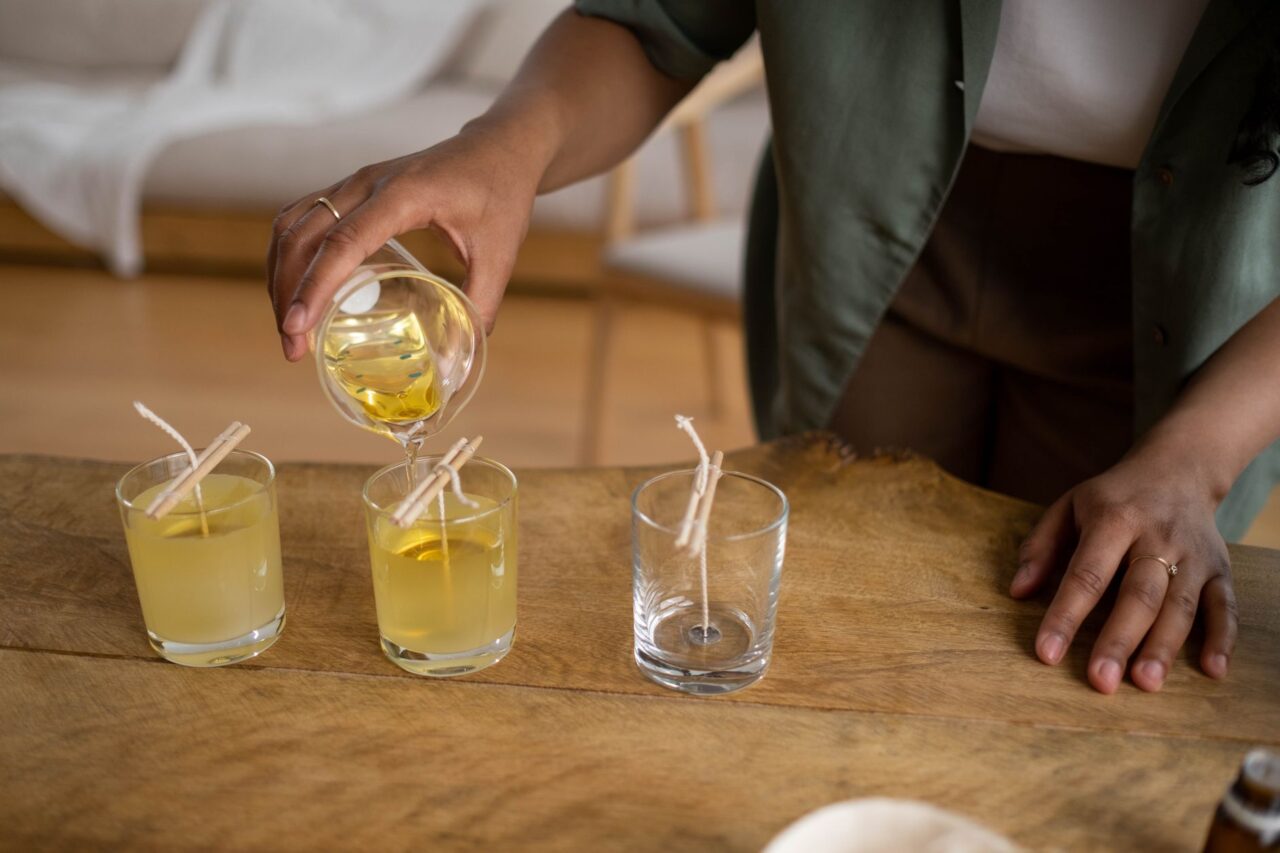
A candle making workshop for corporate events in Singapore is a facilitated session where guests pour scented wax into a vessel, choose a fragrance, and take home a finished candle. Sessions run 45 to 120 minutes, suit groups from around 15 up to several hundred split across stations, and use electric melting equipment rather than open flame, so most hotel ballrooms, function rooms and office spaces can host it without a fire permit. Pricing depends on group size, vessel type, fragrance quality and facilitator ratio.
- What the workshop actually includes
- Formats and session lengths
- Which corporate events it suits
- Space, power and table requirements
- What drives the price
- How booking works
- The most expensive mistake to avoid
- FAQ
What a candle making workshop actually includes
Strip away the marketing language and a corporate candle making workshop is three things: melted wax, a fragrance bar, and a facilitator who keeps the room moving so forty people don't queue for one pouring station. Guests usually get a vessel (glass tumbler, tin, or small ceramic pot), choose from a rack of scent oils, add their own blend ratio under guidance, and pour it themselves at a supervised station. The candle sets over the next twenty to thirty minutes while the group moves on to a short briefing, a networking break, or the next item on the agenda.
Most suppliers in Singapore use electric wax melters, not open flame burners, specifically because venues here are strict about naked flame indoors. That single detail is why this activity works in hotel function rooms, office pantries, and shared event spaces that would never sign off on a flame based craft. If a supplier is proposing gas burners or tea light melting for an indoor corporate booking, ask why, because it almost always triggers a venue's fire safety clause.
2. FormatsFormats and session lengths
There isn't one version of this workshop. The format should match what the rest of the agenda looks like, not the other way round. Below is roughly how the three common formats break down.
| Format | Typical duration | Group size | Best suited to |
|---|---|---|---|
| Express / taster station | 30 to 45 min | roughly 50 to 300+ pax, rotating through | trade show booths, CSR open days, large conferences with a wellness corner |
| Standard workshop | 60 to 90 min | roughly 20 to 80 pax | team building offsites, year end parties, department bonding sessions |
| Deluxe / layered design | 90 to 120 min | roughly 15 to 40 pax | leadership retreats, client appreciation events, smaller VIP groups |
The express format usually isn't a full sit down session. It's a station guests visit for ten to fifteen minutes within a longer event, which is why one station can process a much larger headcount across a few hours. The standard and deluxe formats are seated, facilitated, and timed, which is why the per-guest time goes up and the achievable headcount goes down.
Which corporate events it suits
This activity sits comfortably inside a few recurring corporate formats in Singapore. CSR and wellness days use it as a calm, low energy alternative to the usual physical team games. Year end parties and Christmas lunches use it as a take home gift the guest actually made themselves, which lands better than a branded tumbler. Client appreciation events use the deluxe format because the slower pace suits a smaller, higher value guest list. Onboarding days and new hire orientations use the standard format as an icebreaker that doesn't require anyone to perform in front of the room, which matters for groups with a mix of seniority levels.
It's a weaker fit for high energy product launches or events where the agenda is already packed with stage content, because a 60 to 90 minute seated craft activity competes for attention with speeches and performances rather than complementing them. If your event already includes a stage act, slot the workshop before doors open or during a networking window rather than back to back with a keynote.
If you're mixing this with a cultural performance or opening act for the same event, our event type guide breaks down what typically runs alongside a workshop format, and the act type page covers the full range of performers we supply for the same booking.
Space, power and table requirements
The two questions a facilitator will ask before confirming anything are table count and power access. Candle pouring stations need trestle tables with a protective cover, roughly one station per 8 to 12 guests depending on how hands on the format is. Each wax melting unit needs its own power socket, and most venues cap the number of devices on a single circuit, so a large group often means the facilitator needs to confirm circuit load with the venue's engineering team, not just count sockets.
- Floor protection: wax drips and fragrance oil stain carpet, so request floor covering for carpeted function rooms, not just table covers.
- Ventilation: fragrance oils are strong in an enclosed room with air conditioning on recirculate. Ask the venue whether the room has fresh air intake or if a door needs to stay open.
- Hand washing: wax and oil residue need a sink or wet wipes station nearby, especially for groups over 40.
- Setup and teardown time: facilitators typically need 30 to 45 minutes before the session to set up stations and a similar window after to clear wax waste, which most office pantries and hotel loading schedules don't automatically budget for.
- Cooling time: finished candles need to set before they can be moved, so factor in that guests either wait around 20 to 30 minutes or take candles home uncured, which some fragrance oils don't love.
None of this is complicated, but it's exactly the detail that gets skipped when a workshop is booked two weeks out and the venue floor plan hasn't been shared with the supplier yet.
What drives the price
There's no fixed market rate to quote here because vessel choice, fragrance tier, and facilitator ratio move the number more than headcount alone does. What we can tell you is which factors actually change the quote, so you can compare suppliers on the same terms rather than just the final figure.
| Factor | Why it changes the price |
|---|---|
| Group size | Per-head rates generally drop at higher volume breakpoints, but very small groups (under 15) often carry a minimum charge regardless of headcount |
| Vessel type | Tin and basic glass tumblers cost less than ceramic pots or branded vessels with a printed label |
| Wax and fragrance grade | Soy wax with premium fragrance oil costs more than a paraffin blend with standard scents, and burns differently too |
| Facilitator ratio | Large groups need more facilitators, typically around one per 15 to 20 guests, which is a direct labour cost |
| Venue logistics | Delivery, loading bay access, lift usage and setup window length all affect the quote, especially for venues outside the city centre |
| Add-ons | Personalised labels, gift boxes, extra fragrance stations and printed name cards are usually priced separately |
Ask any supplier to break the quote down against these line items rather than giving you one bundled number. It's the only way to compare two proposals properly, and it's the fastest way to spot a quote that's cutting the facilitator ratio to hit a price point.
How booking works
The process is straightforward but the order matters, because some steps can't happen before others are locked.
- Enquiry with date, headcount range and venue: even a rough headcount lets a supplier quote a format and facilitator ratio.
- Venue details shared with the facilitator: floor plan, power access, loading bay, and any venue restrictions on open flame or fragrance.
- Format confirmed: express, standard or deluxe, based on agenda length and group size.
- Quote issued: broken down by the factors above, not a single bundled figure.
- Deposit and confirmation: secures the date and the equipment.
- Final headcount cutoff: usually a few days before the event, this locks the number of kits and vessels ordered, so late headcount changes after this point often cost extra or aren't guaranteed.
- Event day: setup window, session, teardown, with facilitators handling waste disposal.
Confirm the final headcount cutoff in writing before you sign off anything, because it's the single most common point of friction between planners and suppliers.
The most expensive mistake
Confirming a venue and date before checking whether the space allows the activity at all. Some hotel function rooms and co-working spaces restrict fragrance oils, wax melting equipment, or require a fire safety sign off even for electric melters, and some carpeted rooms require floor protection you'll be charged extra for if it isn't booked in advance. Finding this out on event day means either cancelling the activity or paying a rush fee for last minute floor covering and venue clearance. Confirm activity restrictions with the venue in the same email where you confirm the date.
Questions to ask before you book
A short list, used in order, before a deposit goes out:
- Does the venue allow fragrance oils and wax melting equipment indoors, and does it require written sign off from building management?
- What is the facilitator to guest ratio included in the quote, and what happens if headcount increases closer to the date?
- Is floor and table protection included, or charged as an add-on?
- What is the final headcount cutoff date, and what happens to kits ordered for no-shows?
- Does the quote include delivery, setup and teardown time, or are these billed separately?
- Can the format be shortened or extended if the agenda shifts on the day?
For events that combine a workshop with a performance element, our bhangra dancers and dhol players page covers how we schedule a short opening act around a seated activity like this, which is a common combination for larger CSR and cultural event days.
Frequently asked questions
How long does a corporate candle making workshop take?
Standard sessions run 60 to 90 minutes including a short briefing, pouring time and a wait for the candle to set. Express station formats used at trade shows or large CSR days run 30 to 45 minutes per rotation and process a much larger headcount across the full event window. Deluxe or layered design formats can run up to two hours for smaller, slower paced groups.
Is open flame used in a corporate candle making workshop?
No, reputable suppliers in Singapore use electric wax melting equipment rather than open flame burners, specifically because most venues restrict naked flame indoors under their fire safety policy. This means the workshop can usually run in hotel function rooms, office pantries and shared event spaces without needing a separate fire permit, though you should still confirm the venue's policy directly before booking.
What group size works best for a candle making workshop?
Seated, facilitated formats work best for roughly 15 to 80 guests, since beyond that the per-guest attention drops and the session stretches out. Larger corporate events, including trade shows and CSR open days with 100 to 300 or more guests, typically use a rotating express station format instead of one seated session, which processes a much higher headcount across the event.
Do guests take the candle home the same day?
Usually yes, but the candle needs roughly 20 to 30 minutes to set before it can be safely moved. Some suppliers let guests collect candles later in the event or have them delivered the next day if the event schedule doesn't allow a cooling window, which is worth asking about if your agenda is tight.
What does the price of a corporate candle making workshop depend on?
Price is driven by group size, vessel type (tin versus glass versus ceramic), fragrance and wax grade, the facilitator to guest ratio, and venue logistics such as delivery and loading bay access. There's no single market rate, so ask any supplier to break the quote down by these factors rather than quoting one bundled number, which makes it easier to compare proposals fairly.
Can a candle making workshop be combined with other entertainment at the same event?
Yes, it's commonly scheduled alongside a short opening performance or placed during a networking window before a stage program starts, since the workshop itself is a slower paced, seated activity that doesn't compete well with high energy content running at the same time. Scheduling it before doors open or during a break usually works better than placing it back to back with a keynote or performance.
How far in advance should a corporate candle making workshop be booked?
There's no fixed rule, but booking early matters more for larger groups, because equipment, facilitators and vessel stock need to be confirmed and venue restrictions on fragrance or wax equipment checked before the date is locked. For large CSR days or events over 100 guests, confirm the venue's policy and the facilitator's availability as early as the agenda allows.
Planning a corporate candle making workshop in Singapore
Tell us your headcount, date and venue, and we'll put together a format and facilitator plan around it.
Get a Free Quote