

Chinese Paper Cutting Artist for Events in Singapore
Live jianzhi demonstrations and guest silhouette cutting for Chinese New Year functions, weddings, corporate galas and cultural showcases.
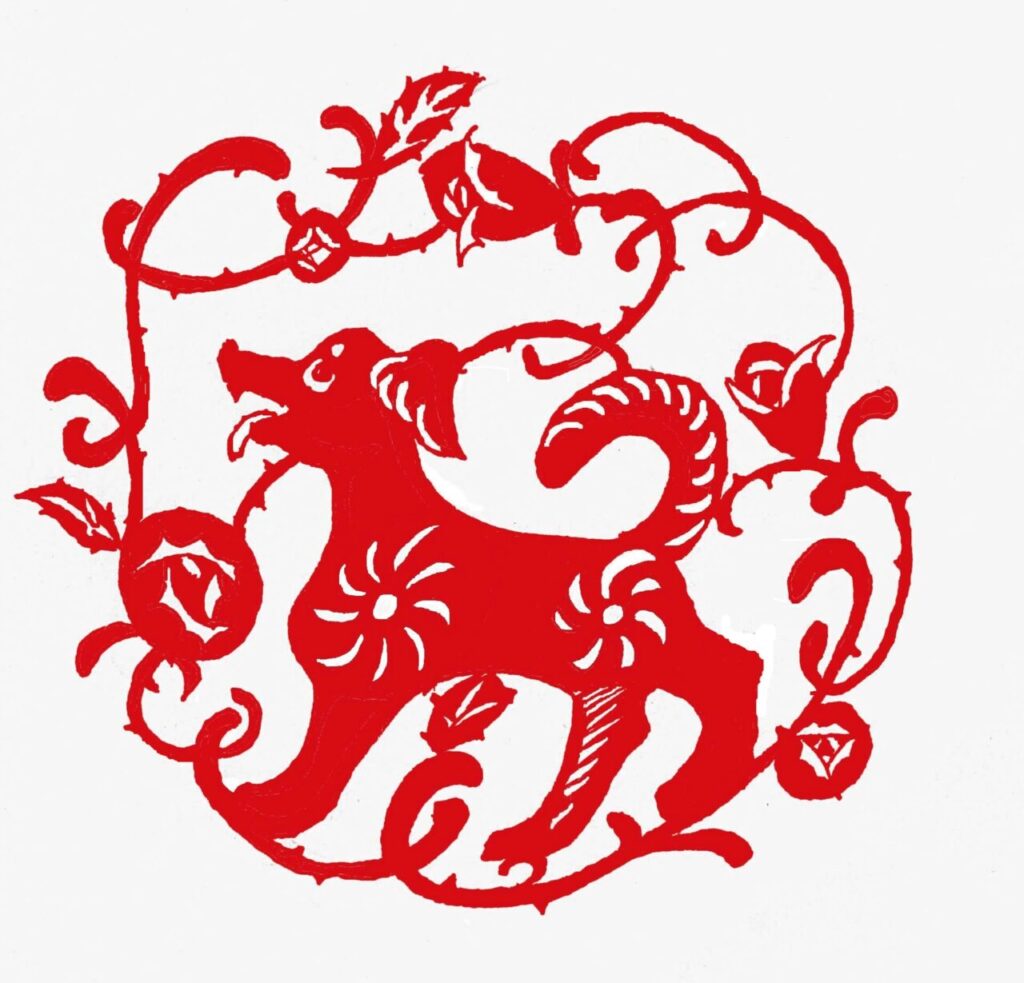
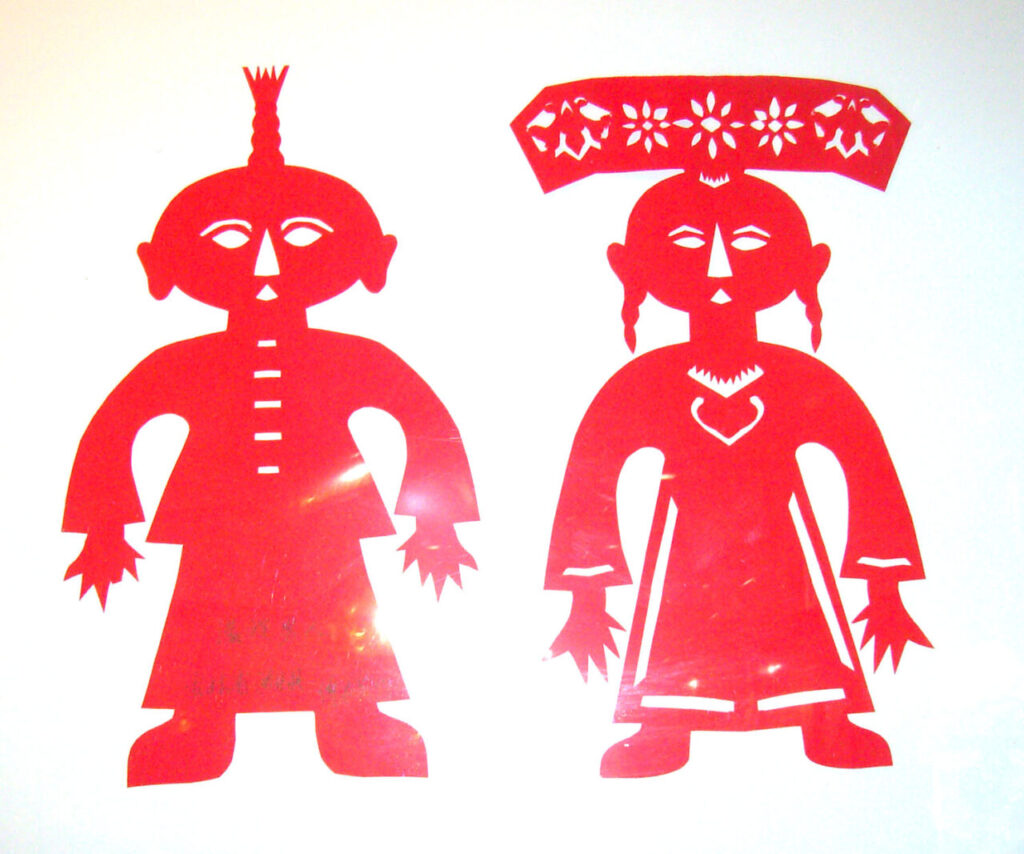
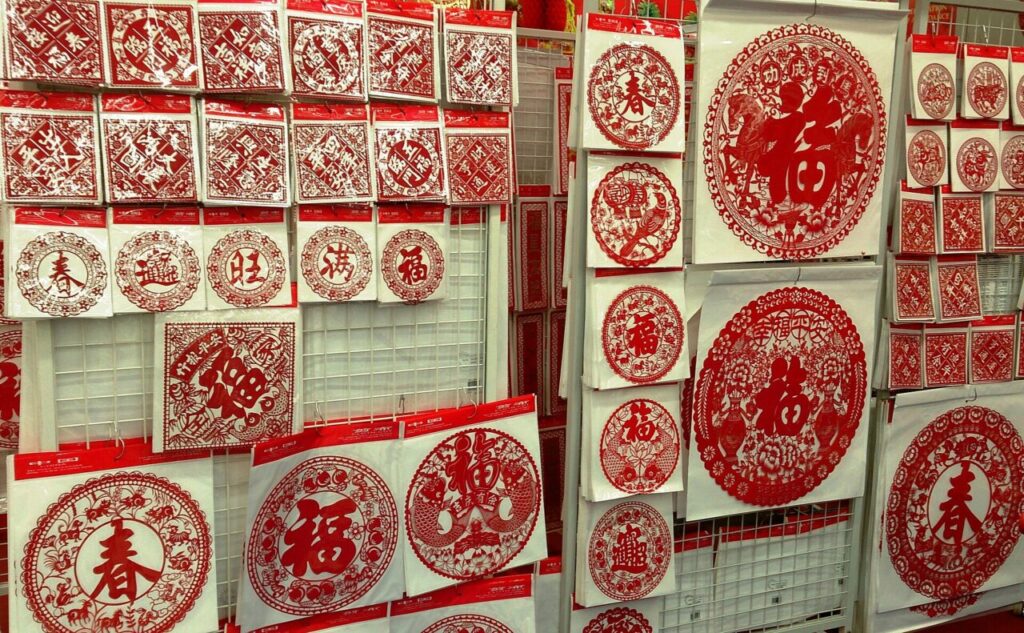
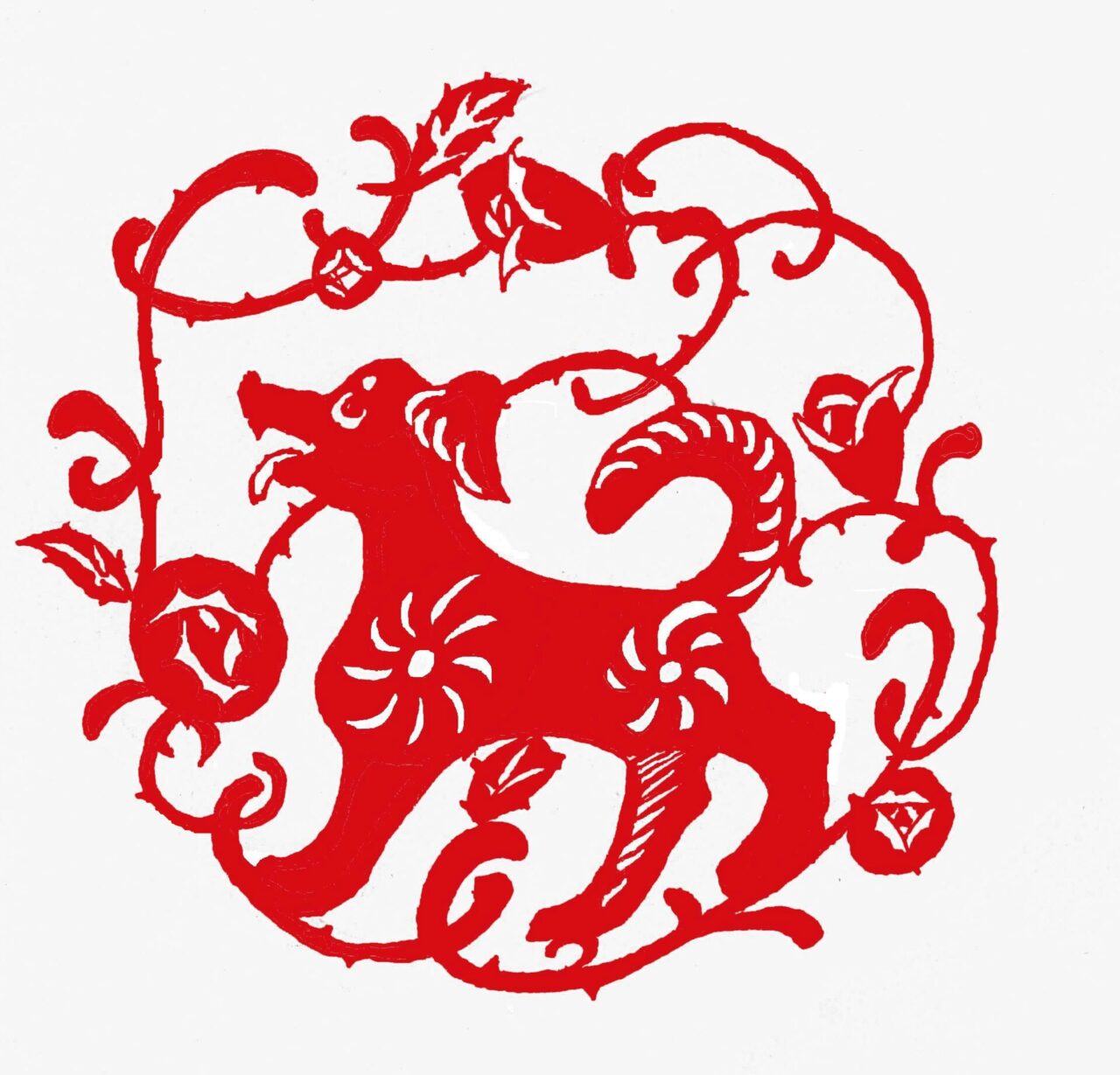
Photos: Made by Fanghong (CC BY-SA 3.0); Wikimedia Commons (CC BY-SA 3.0); ProjectManhattan (CC BY-SA 3.0) via Wikimedia Commons.
A Chinese paper cutting artist, known as jianzhi, performs or teaches the traditional craft of cutting intricate designs from paper using scissors or a small blade. For Singapore events they are booked in three main formats: a stage or booth demonstration, live personalised cutting where each guest receives a silhouette or name cut as a takeaway, or a hands-on workshop. Cost depends on duration, number of artists, and whether every guest gets an individual piece. A single artist handles roughly 20 to 40 personalised cuts per hour depending on design complexity.
- What a Chinese paper cutting artist actually does
- Performance formats and session lengths
- Best events for this act
- Space, power and setup requirements
- What drives the price
- How booking works with Bella Entertainment
- The most common mistake when booking this act
- FAQ
What a Chinese paper cutting artist does
Chinese paper cutting, jianzhi in Mandarin, is a folk craft that goes back over a thousand years and is recognised as part of China's intangible cultural heritage. The artist uses small scissors or a carving knife to cut patterns, characters or silhouettes out of thin paper, traditionally red, working freehand without a printed outline. At events in Singapore the craft is used two ways: as a visual performance guests watch, and as a live personalisation service where the artist cuts a guest's profile, name or a company logo while they wait, and hands it over as a keepsake.
This is different from a caricature artist, who draws with pen or charcoal. A Chinese paper cutting artist works with paper and a blade only, and the finished piece is a silhouette cutout, usually mounted on contrasting card so it holds its shape. Guests tend to find it more memorable precisely because it is unusual and tactile, and it photographs well for social posts tagged to the event.
Performance formats and session lengths
Most bookings fall into three formats, and the right one depends on guest count and whether you want everyone to leave with a piece or just to watch something happen.
| Format | Typical duration | What happens | Best for |
|---|---|---|---|
| Stage or lobby demonstration | 15 to 25 minutes | Artist cuts a large, pre-planned design live while an MC or screen explains the technique and its history | Gala openings, CNY stage segments, exhibition launches |
| Live guest silhouette cutting | 1 to 3 hours, open booth | Guests queue individually, the artist cuts a silhouette profile or name card in a few minutes and hands it over mounted | Corporate CNY parties, weddings, roadshows, retail activations |
| Hands-on workshop | 45 to 90 minutes, small groups | Guests are given templates, paper and blunt-tip scissors and cut their own simple design under guidance | Team building, school programmes, cultural appreciation days |
For live guest cutting, one artist typically manages somewhere between 20 and 40 personalised pieces an hour, depending on how detailed the design is and whether it includes a name or logo. If you expect more than about 40 guests wanting a piece in a short window, you need a second artist or a longer block, otherwise the queue becomes the story people remember instead of the souvenir.
Best events for a Chinese paper cutting artist
This act earns its place at any event with a Chinese or Lunar New Year theme, but it also works well anywhere you want a quiet, high-craft activity that does not need a stage or sound system.
- Chinese New Year corporate parties and client appreciation events, where it sits naturally alongside lion dance or a lohei session as part of a broader CNY entertainment lineup.
- Weddings, particularly for couples including Chinese tea ceremony elements, where a double happiness design cut live is a popular favour.
- Trade shows and retail activations, where the booth draws footfall because guests want to watch and then receive something personal, not just a flyer.
- Cultural festivals and heritage showcases, including school or community programmes that want a hands-on element rather than only a performance.
- Corporate diversity and culture events, often paired with other cultural acts booked through this agency's cultural dance Singapore roster for a broader heritage programme.
It is a weaker fit for loud, high-energy segments like an after party or a dance floor opener, since the appeal is precision and conversation, not spectacle. If your event needs both quiet craft and high-energy performance, we usually recommend splitting the budget across two different act types rather than asking one act to do both jobs badly.
Space, power and technical requirements
This is a low-technical act compared with most entertainment bookings, which is part of why it works in so many venues.
| Requirement | What is needed |
|---|---|
| Table space | One table roughly 1.2m to 1.8m wide, plus a chair for the artist and one or two guest chairs if cutting is seated |
| Lighting | Good, steady lighting over the work surface. Dim ambient lighting at galas usually needs a small supplementary lamp, which we bring |
| Power | A single standard socket for a lamp or small signage light. No sound or AV required for the booth format |
| Backdrop or signage | Optional. A small standee explaining the craft helps guests understand what they are queuing for, especially at trade shows |
| Stage format extras | If demonstrating on a main stage, a document camera or overhead screen lets the back of the room see the fine cutting work, otherwise it is lost past the first few rows |
Confirm load-in access with your venue separately. Some hotel ballrooms and convention halls require vendor passes or a loading dock timing slot, and that is between you, the venue and us, not something to assume is automatic.
How much does a Chinese paper cutting artist cost in Singapore
There is no fixed market rate for this because it depends heavily on format and volume, and we will not invent a number here that does not hold up when you actually ask for a quote. What we can tell you is what moves the price up or down.
| Factor | Effect on price |
|---|---|
| Format | A short stage demonstration costs less than hours of continuous live guest cutting, because the latter is priced on duration and output volume |
| Number of artists | Higher guest counts needing fast turnaround require two or more artists working in parallel, which scales the fee roughly linearly |
| Custom designs | A generic silhouette costs less than a request to cut a company logo, a specific Chinese character, or a detailed group portrait, which takes longer per piece |
| Materials and mounting | Card mounting, presentation sleeves or branded backing paper add a per-piece materials cost on top of the artist fee |
| Duration and call time | Longer bookings and early load-in or late finish times affect the overall quote, as with most live acts |
| Venue and travel | Island-wide travel is usually manageable, but off-hour timings or unusual locations can affect logistics |
Ask for a quote once you know your guest count, your preferred format and your event date, and expect the number to move if any of those three change. If you are also comparing this against other cultural performers, our act type directory and event type pages are a faster way to see what else typically runs alongside it.
The most expensive mistake: booking the wrong format for your guest count
The single biggest problem we see is a client booking a one-hour slot with one artist, expecting all 150 guests at a CNY dinner to get a personalised cutout. At 20 to 40 pieces an hour per artist, that math does not work, and the result is a long queue, frustrated guests, and a souvenir that only reaches a third of the room. Fix this at the booking stage by telling us your real guest count and whether you need every guest served or just a visible, photogenic activity. We will tell you honestly how many artists and hours that needs, even if it means a bigger quote than you first expected.
How booking works with Bella Entertainment
You tell us your date, venue, guest count and preferred format, demonstration, live guest cutting, or workshop. We confirm artist availability, recommend the number of artists for your expected guest flow, and send a written quote that covers the fee, materials, and any mounting or branding add-ons. Once confirmed, we handle the artist's booking, basic setup equipment like the work lamp, and arrival timing against your run sheet. You are responsible for confirming venue access, table and chair provision, and any vendor pass requirements with your venue directly.
If this is your first time booking a cultural act, our about us page explains how we work across the different act categories, and our bhangra dancers and dhol players page is a useful comparison if you are weighing paper cutting against a louder cultural segment for the same event.
Frequently asked questions
What is Chinese paper cutting art called?
It is called jianzhi in Mandarin, which translates roughly to cut paper. It is recognised as part of China's intangible cultural heritage and traditionally uses red paper, though event bookings often use varied colours or card to suit a theme or corporate colour scheme.
How much does it cost to hire a Chinese paper cutting artist in Singapore?
Cost depends on format, duration, guest count and whether every guest receives a personalised piece. A short stage demonstration is priced differently from hours of live guest cutting requiring one or more artists. Confirm your guest count and preferred format and request a written quote rather than relying on a general figure.
How long does a live paper cutting portrait take per guest?
A single artist typically produces between 20 and 40 personalised silhouette or name cuts per hour, depending on design complexity. A simple profile silhouette is faster than a detailed group portrait or a company logo cut, which takes more time per piece.
Is Chinese paper cutting suitable for Chinese New Year corporate events?
Yes, it is one of the more common bookings for CNY corporate functions in Singapore, often paired with a lion dance segment or a lohei toss. It suits the quieter, mingling portion of the event rather than a high-energy stage opener.
Can the artist customise designs with a company logo or name?
Yes, most artists can cut a simplified version of a logo, a guest's name, or a short Chinese character on request, though highly detailed logos may need simplification to cut cleanly in paper. Share your logo or design in advance so the artist can prepare a workable template before the event.
What space and setup does a paper cutting artist need?
A single table around 1.2 to 1.8 metres wide, a chair for the artist, good steady lighting over the work surface, and one standard power socket if a lamp is needed. No sound system or stage is required for the booth or live guest cutting format.
Do guests keep the paper cutting as a souvenir?
Yes, in the live guest cutting format each piece is handed to the guest, usually mounted on card so it holds its shape for travel home. This is the main reason the format is booked, since it gives guests a tangible, personal takeaway from the event rather than a generic favour.
Can we book a workshop instead of a demonstration?
Yes, a hands-on workshop runs 45 to 90 minutes in small groups, with guests given templates, paper and blunt-tip scissors to cut their own simple design under the artist's guidance. This suits team building sessions and school or cultural appreciation programmes better than a watch-only demonstration.
Ready to book a Chinese paper cutting artist for your event
Send us your date, venue and guest count and we will recommend the right format and number of artists.
Get a Free Quote