

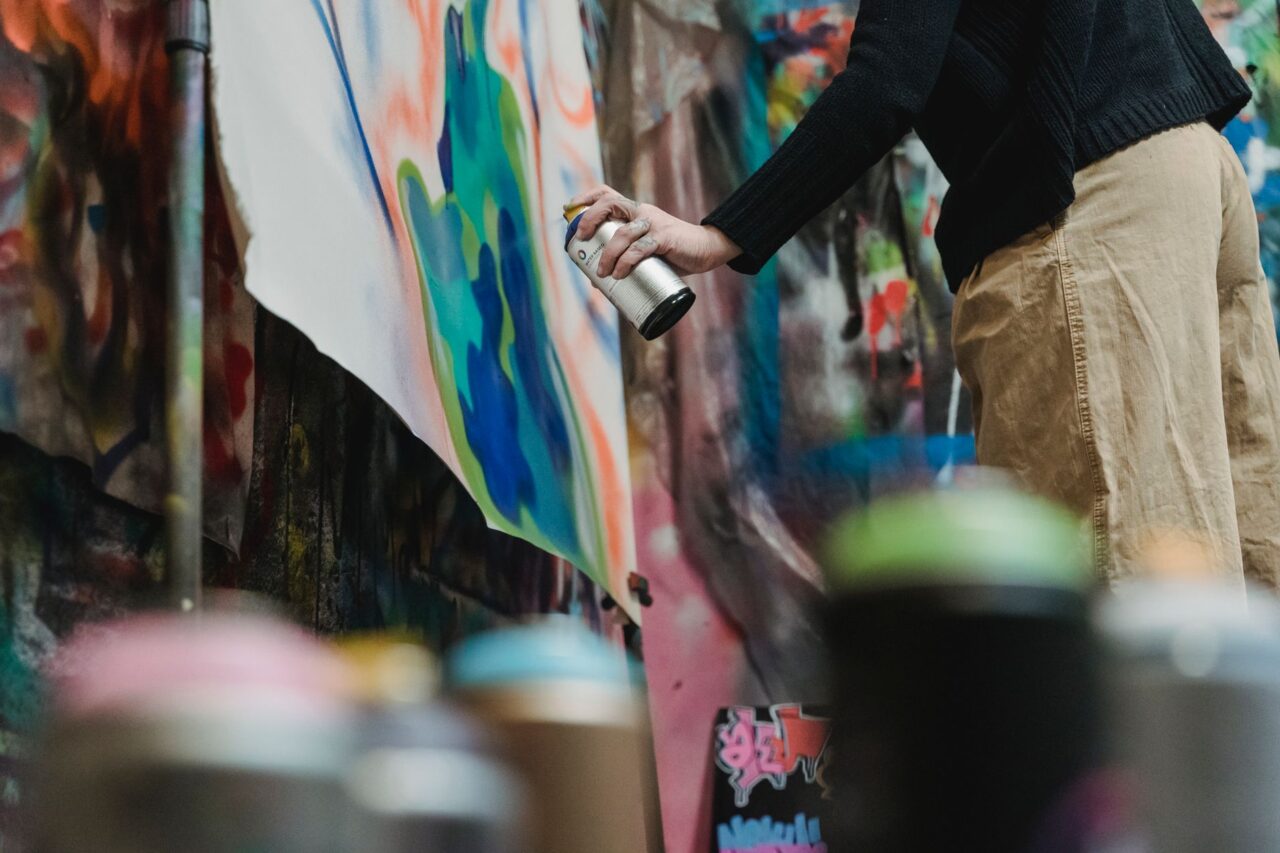
Live Graffiti Artist Singapore: Hire for Events
A mural takes shape in front of your guests, from blank canvas to finished artwork, while the party carries on around it.
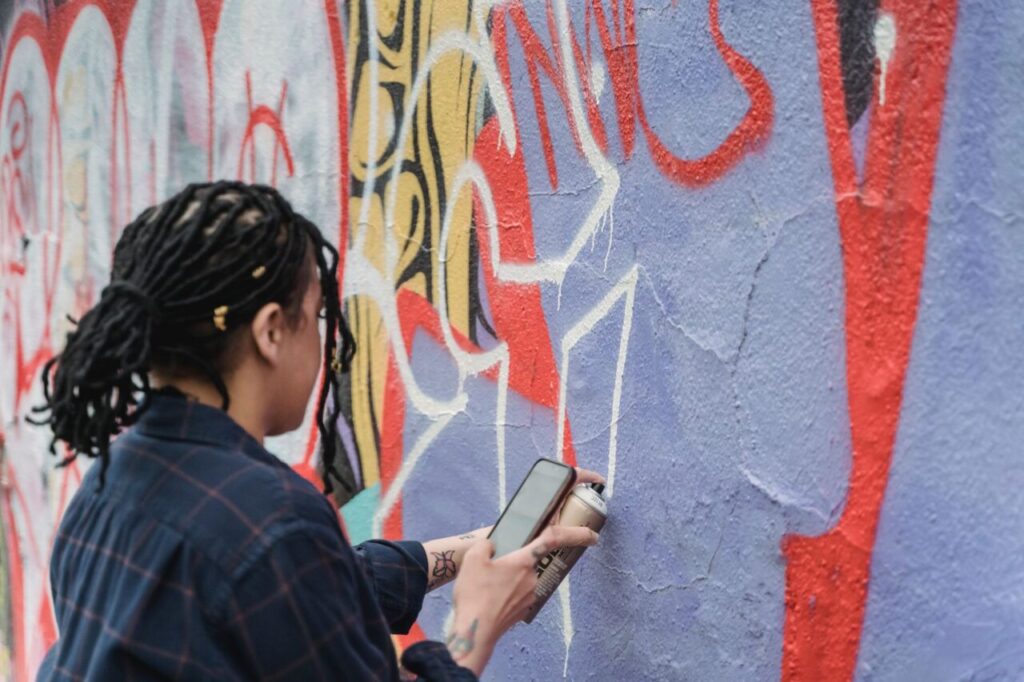
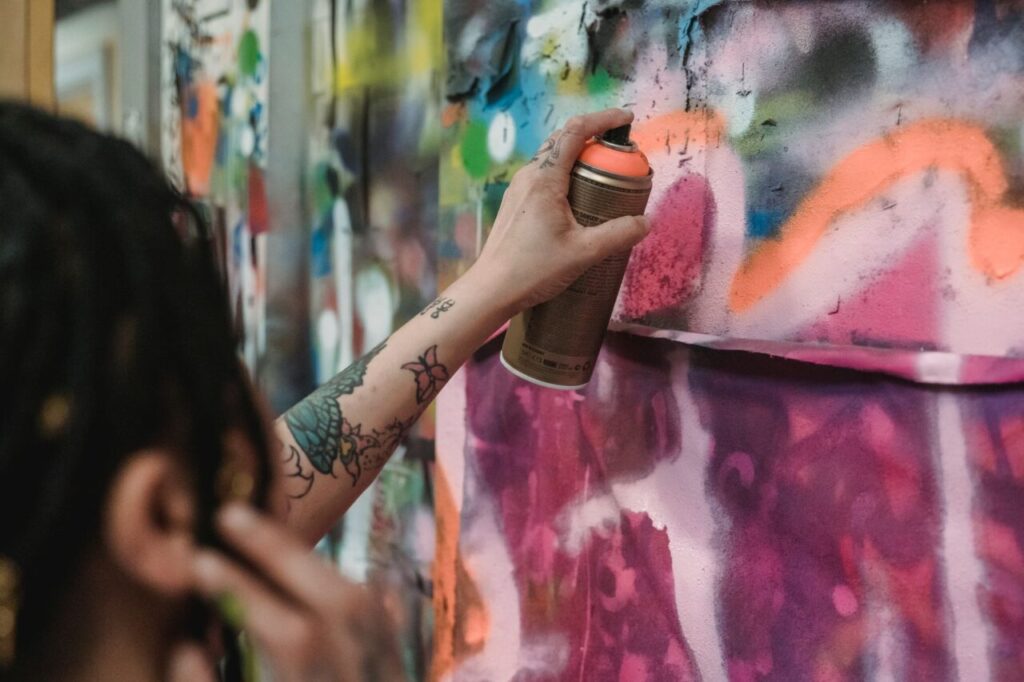
A live graffiti artist Singapore event hire paints a mural or canvas in front of guests, usually finishing a piece in 1.5 to 3 hours depending on size and detail. Setups range from acrylic paint on canvas, to aerosol spray for outdoor or well ventilated venues, to digital graffiti on a screen with no paint or fumes at all. Cost depends on hours booked, canvas size, number of artists, and whether a company logo or brand element is worked into the design. Venue rules on spray paint need checking before you confirm the format.
What a live graffiti artist does at your event
A live graffiti artist sets up at the event with a canvas, board or approved wall section and paints a complete piece while guests watch, usually over the course of a cocktail hour, a gala dinner, or a brand activation. Some clients want a standalone art moment. Others want their logo, mascot or product worked into the composition so the finished mural doubles as branded content they can photograph and keep. The artist typically arrives with a rough concept already approved and completes the detail work live, so what guests see is real progress, not a performance of painting that was already finished.
This is different from a static art display or a hired painting on the wall. The whole point of a live graffiti artist Singapore booking is the reveal: guests arrive to a blank or partly sketched surface and leave with a finished piece they watched come together.
2. Choosing a setupFormats and set lengths explained
There are three main formats and the right one depends almost entirely on your venue, not your budget. Traditional spray paint on canvas gives the most authentic graffiti look and the strongest colour saturation, but aerosol produces fumes and a fine overspray that many Singapore hotels, malls and function rooms will not permit indoors without extraction fans running, and some will not permit at all. Acrylic or marker based live painting on canvas or board avoids the fume issue entirely and works in almost any indoor venue, at the cost of a slightly less dramatic finish and a longer painting time for the same level of detail. Digital graffiti uses a stylus and a large screen or projection, with the artist's strokes rendered in real time, sometimes with animation or audio layered in. It produces zero mess, needs no ventilation, and suits venues that will not allow paint of any kind near their walls or flooring.
Set length is usually built around the event program rather than a fixed slot. A single medium sized canvas piece with real detail takes roughly 1.5 to 3 hours to complete live. For shorter programs, the artist often pre-sketches the outline before doors open and completes colour and detail during the live window, so the reveal still feels immediate even on a tight schedule.
| Format | Typical completion time | Venue suitability | Finished artwork |
|---|---|---|---|
| Aerosol spray on canvas | 1.5 to 3 hours | Outdoor or venues with ventilation approval | Takeaway canvas, strongest visual impact |
| Acrylic or marker on canvas/board | 2 to 4 hours | Any indoor venue, no special approval needed | Takeaway canvas or board |
| Digital graffiti on screen | 45 minutes to 2 hours, repeatable | Any venue, including strict no-paint spaces | Digital file, printed copy on request |
Which events use a live graffiti artist
Brand launches and retail activations are the most common booking, because the mural becomes a piece of branded content that guests photograph and share, and the brief usually asks for a logo, tagline or product to be worked into the design. Corporate dinners and anniversaries book it as a cocktail hour centrepiece, something guests gather around before being seated. Weddings occasionally use a live graffiti artist to paint a portrait style piece of the couple during the reception, which is then presented or auctioned. Roadshows, mall activations and community fairs use it for foot traffic, since a painting in progress draws a crowd in a way a static banner does not.
If you are weighing a live graffiti artist against other roaming or stage acts for the same event, it helps to look across the full act type range, since a short graffiti set often pairs well with a dance act or a cultural performance earlier in the program rather than competing with it for attention.
Space, power and surface requirements
Most artists need a clear working area of roughly two to three metres around the canvas or screen, both for their own movement and so guests can gather without crowding the work surface. A flat, stable floor is needed under any easel or standing board, and for indoor spray work the venue will usually require a drop sheet or protective flooring underneath and sometimes behind the canvas as well.
Power is only a real requirement for digital graffiti, which needs a stable socket for the screen or projector and a stylus device, plus decent ambient lighting control so the projected image reads clearly. For canvas work, the main technical need is directional lighting on the piece itself, since most live painting happens during an evening program and a dim corner does nothing for the reveal. Confirm these points with the venue directly rather than assuming they match what worked at a different hotel or hall, since fire safety and ventilation policies vary considerably across Singapore venues and are usually set by building management, not the event organiser.
What drives the cost of a live graffiti artist in Singapore
There is no fixed market rate we can quote here, because the final figure moves with several variables at once. Hours booked is the biggest factor, since a two hour slot and a four hour slot are different jobs even with the same artist and canvas size. The number of artists matters if you want multiple pieces completed in parallel, which is common at larger brand activations. Canvas size and number of pieces change materials cost directly. Branded work that requires a logo, mascot or specific colour palette usually needs a design approval step before the event, which adds lead time and sometimes a design fee on top of the live session. Travel to venues outside the usual coverage area can add a small transport charge, and if the client wants the finished canvas taken away, framed, or prepared for an auction, that is usually a separate line item from the live painting fee itself.
Ask for a written quote that breaks these out separately, so you can see what you are actually paying for the live session versus the artwork itself.
How booking works, step by step
- Enquiry. Share your event date, venue, guest count and whether you want a branded design or a free concept piece.
- Format recommendation. We match the format (spray, acrylic, or digital) to your venue's rules and your program length.
- Concept approval. For branded work, the artist sends a sketch or mockup for sign-off before the event, usually needing one to two weeks lead time.
- Logistics confirmation. Space, power, lighting, loading access and protective flooring are confirmed directly with venue management.
- Deposit and contract. A deposit secures the date, with the balance due before or shortly after the event, covered in our terms and conditions.
- Event day. The artist arrives 30 to 45 minutes before the painting window for setup, paints live during the agreed slot, and hands over or displays the finished piece as agreed.
If you are building a full program rather than a single act, it is worth browsing options by event type first, since the running order around the graffiti slot often changes which format makes sense.
The mistake that costs the most
Booking aerosol spray paint for an indoor venue without checking the venue's policy first. Many Singapore hotels, malls and function rooms restrict or ban aerosol use indoors because of fire alarm sensitivity and ventilation requirements, and this is often discovered only when the artist arrives to set up. If the venue refuses the format on the day, you either lose the slot entirely or pay to switch to acrylic or digital on short notice, usually at a premium. Confirm the venue's paint policy in writing before you lock in the format, not after.
Frequently asked questions
How much does it cost to hire a graffiti artist in Singapore?
Cost varies with hours booked, canvas size, number of artists and whether branded design work is involved, so there is no single fixed rate to quote. A short acrylic session on one canvas costs less than a multi-hour aerosol piece with logo integration and takeaway framing. Ask for a written quote that separates the live session fee from any design, travel or materials charges so you can compare quotes properly.
How long does a live graffiti painting take to complete?
A single medium sized piece with real detail typically takes 1.5 to 3 hours live, depending on complexity and format. Acrylic and marker work generally runs slightly longer than spray for the same level of detail. For shorter event windows, artists often pre-sketch the outline beforehand and complete colour and detail during the live slot, so the reveal still feels immediate.
Can a graffiti artist paint indoors in Singapore?
Yes, but the format matters. Aerosol spray is restricted or banned in many indoor venues because of fire alarm sensitivity and ventilation rules, so confirm this with the venue before booking. Acrylic, marker based painting and digital graffiti on a screen work in almost any indoor space without special approval, since they produce no fumes or overspray.
Do I need to provide the canvas or wall?
No. The artist typically brings their own canvas, board or portable stand, along with protective flooring where needed. Painting directly onto a venue's actual wall is rare and would need separate written approval from venue management, which most venues will not grant for a one-off event.
Can the graffiti artist include our company logo or brand colours?
Yes, this is one of the most common requests for corporate bookings. The artist works from your brand guidelines and usually sends a concept sketch for approval before the event, which needs roughly one to two weeks lead time depending on complexity. Last minute branded requests are possible but limit how refined the final design can be.
What is digital graffiti and how is it different from spray painting?
Digital graffiti uses a stylus and a large screen or projector instead of paint, with the artist's strokes appearing in real time, sometimes with added animation or sound. It produces no fumes, no mess and needs no ventilation approval, which makes it suitable for venues that restrict paint entirely. The trade-off is a different visual texture compared to real spray paint or acrylic.
How far in advance should I book a graffiti artist for an event?
For a free concept piece with no branding, a few weeks' notice is usually enough, subject to artist availability. For branded work involving a logo or specific design approval, allow one to two weeks beyond booking just for the concept sketch and sign-off process, on top of general event planning lead time.
Who keeps the finished artwork after the event?
This depends on what is agreed at booking. Most clients take the canvas home or display it at the venue, some donate it to a charity auction as part of the event program, and some request it be framed afterward as a separate service. Confirm ownership and any takeaway or framing arrangements in writing before the event, since these are usually priced separately from the live painting session.
Ready to add a live graffiti artist to your event?
Tell us your date, venue and format preference and we will confirm what works for your space.
Get a Free Quote