

Hawker Food Live Stations for Events in Singapore
Satay grills, rojak counters and laksa pots cooked live in front of your guests, built around the venue, the headcount and the dietary mix you actually have.
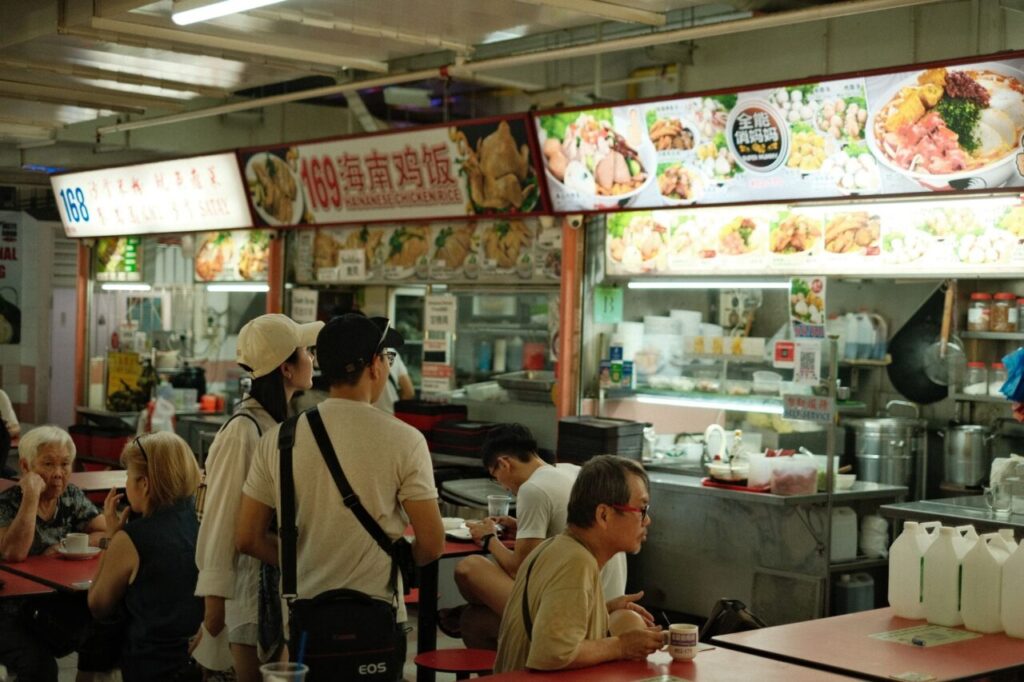
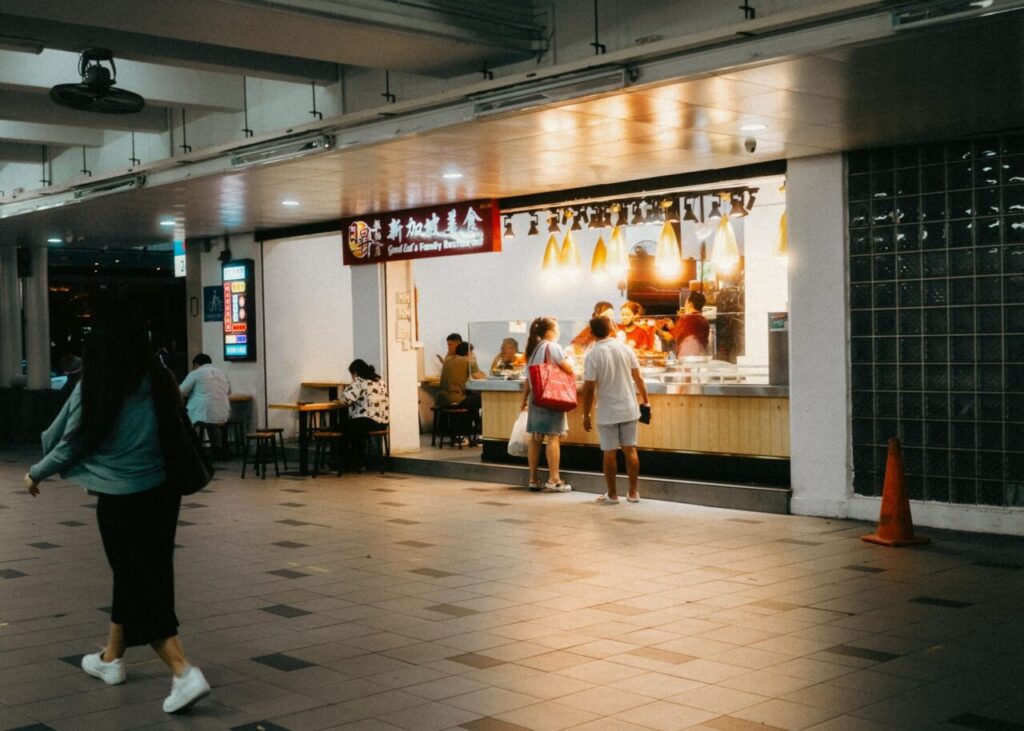
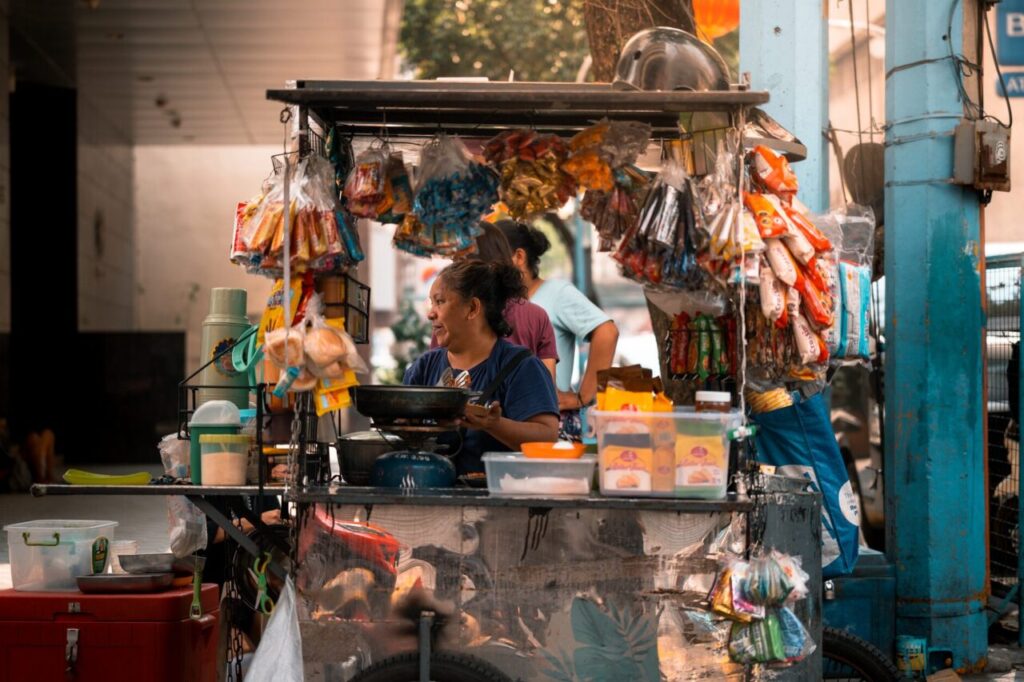
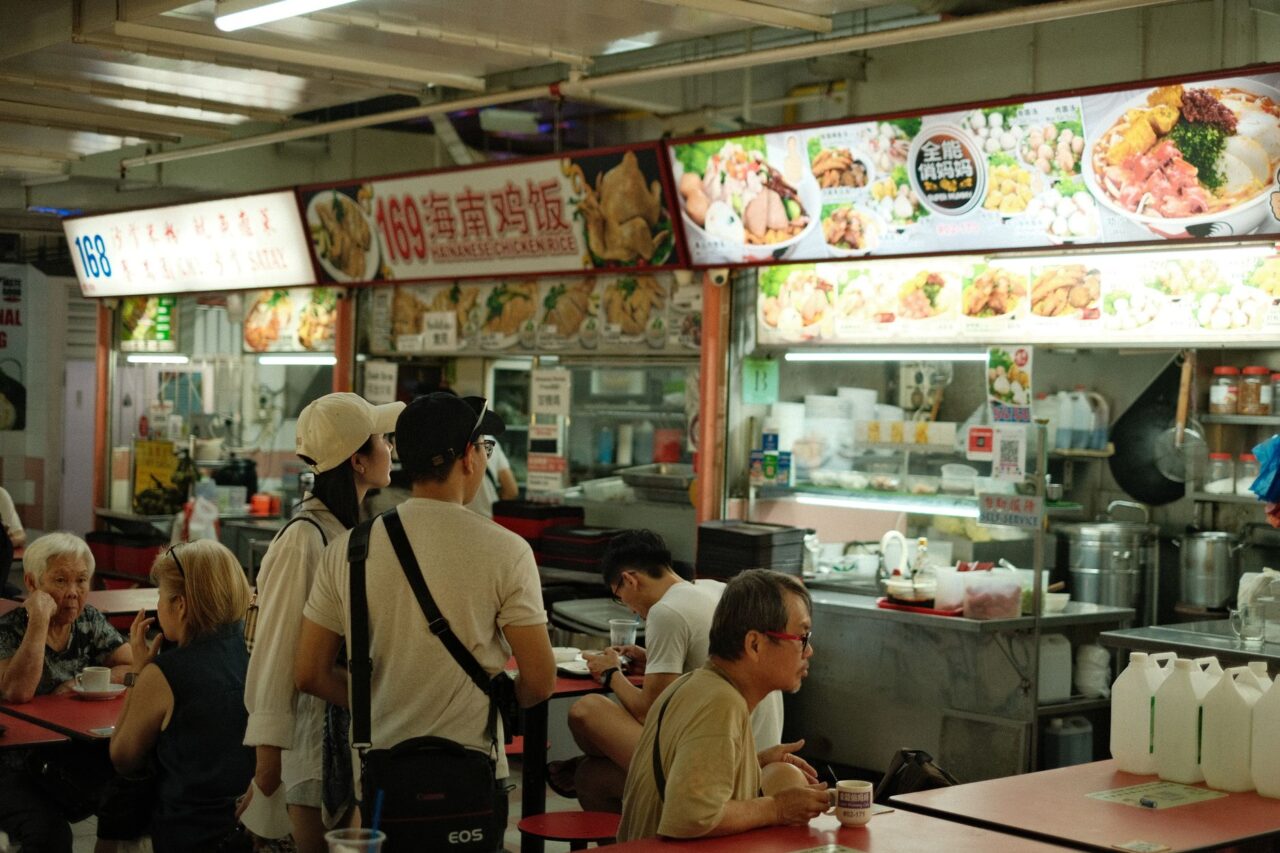
Hawker food live stations are themed cooking counters, such as satay grills, rojak stalls, popiah rolling tables or laksa pots, staffed by cooks who prepare food in front of guests instead of serving from a buffet line. Singapore planners book them for corporate dinners, weddings, product launches and Dinner & Dance nights to bring a hawker centre feel indoors or outdoors. Price depends on station count, guest count, menu complexity and whether the venue allows open flame. Most bookings need two to four weeks' notice, longer for halal-only or peak season dates.
- What a hawker food live station actually is
- What drives the cost of hawker food live stations
- Station formats and how many to book
- Which events suit hawker food live stations
- Space, power and licensing requirements
- How booking works with Bella Entertainment
- The mistake that derails hawker stations on event day
- Frequently asked questions
What a hawker food live station actually is
A hawker food live station is a staffed cooking counter that recreates a specific hawker stall at your event, satay on the grill, popiah rolled to order, laksa ladled fresh, rather than food that arrives pre-plated from a kitchen. The point is theatre as much as taste. Guests queue, watch the cook work, and get a dish made in front of them rather than one that has been sitting under a heat lamp. That is why agencies like ours treat it as an entertainment booking rather than a straight catering line item: there is a cook to brief, a counter to dress, and a flow of guests to manage through the event, not just trays to deliver.
In Singapore this usually means three to six station types running at once, each serving a different dish, spaced around a room or courtyard so guests circulate instead of forming one long line. Hawker food live stations for events in Singapore work best when they are planned alongside the rest of the program, not bolted on at the last minute.
2. PricingWhat drives the cost of hawker food live stations
There is no fixed market rate because the variables move the price more than the dish itself does. A satay station for 80 guests and a chilli crab wok station for 300 guests are not the same quote, even on paper they look like one line item each. The factors below are what actually set the number, and you should ask for a breakdown against each one rather than a single bundled figure.
| Cost driver | Why it moves the price |
|---|---|
| Number of stations | Each station needs its own cook, equipment and ingredients. Four stations cost roughly proportionally more than two, but setup and delivery fees are shared across them. |
| Guest count | More guests means more portions and often a second cook per station to keep queues moving. Confirm the per-head rate assumes continuous service, not one portion per guest. |
| Menu complexity | A satay grill is simpler to run than a live chilli crab wok. Dishes needing wok heat, seafood, or made-to-order assembly cost more than pre-marinated grilled items. |
| Dietary certification | Halal-certified ingredients and separate equipment and cooks for halal stations, especially alongside a pork-based dish like bak kut teh, add cost and need to be flagged early. |
| Equipment type | Induction and electric equipment cost more to hire and run than gas, but many indoor venues require it. Open flame on gas is usually cheaper where it is allowed. |
| Service duration | Live cooking for 90 minutes is a different manpower cost than a station running continuously for a four hour event. |
| Location and timing | Outlying venues, late night load-in, or events on public holidays typically carry a surcharge on manpower and transport. |
Ask any vendor to quote per station against these factors rather than a flat per-head figure. A flat number usually hides which dishes are actually driving the cost, and makes it harder to trim the budget without just cutting a whole station.
3. FormatsStation formats and how many to book
Most hawker food live station programs in Singapore run three to six counters, each serving one dish continuously rather than one cook trying to produce several. The table below covers the stations we are asked for most often and what each one needs to run well.
| Station | Typical dish | Best suited for | Note |
|---|---|---|---|
| Satay grill | Chicken, beef or mutton satay with peanut sauce | Almost any event, indoor or outdoor | Needs ventilation or an outdoor setting if cooked over charcoal or gas |
| Rojak and kueh pie tee | Fruit rojak, cold starters | Lunch events, afternoon functions | No cooking heat required, easiest station to place indoors |
| Laksa or noodle pot | Laksa, mee siam, mee rebus | Dinner events, weddings | Needs a hot water and broth supply, plan for spill management |
| Popiah rolling table | Made-to-order popiah | Cocktail receptions, product launches | Highly visual, good for guests to interact with the cook |
| Chilli crab or zi char wok | Wok-fried seafood or noodles | Premium corporate dinners, galas | Highest equipment and ingredient cost, confirm venue allows wok flame |
| Ice kacang or dessert station | Shaved ice desserts, kueh | Any event, usually the closing station | Good last station before guests move to the program or dance floor |
As a general guide, plan one station for roughly every 50 to 70 guests so queues stay short, and confirm the exact ratio with your caterer based on how fast each dish can be plated.
4. SuitabilityWhich events suit hawker food live stations
Hawker food live stations suit any event where guests mingle rather than sit through a fixed program, which is most corporate functions, weddings, and company Dinner & Dance nights. They work less well for events on a tight schedule with back to back speeches, since guests queuing for food during a keynote creates noise and movement at the wrong moment. If your event has both a formal segment and a social segment, schedule live cooking for the social half and keep plated or pre-set food for the formal half.
Cultural and festive events are a natural fit too. Chinese New Year dinners, National Day celebrations, and Hari Raya or Deepavali functions often pair hawker stations with a cultural performance, our cultural dance Singapore booking page covers the performance side of that pairing. For general planning across event formats, our event type guide breaks down what tends to work for conferences, weddings, and company parties specifically.
5. LogisticsSpace, power and licensing requirements
The single biggest practical constraint is whether the venue allows open flame cooking. Many ballrooms, hotels and indoor function rooms in Singapore prohibit gas burners and charcoal grills for fire safety reasons and require induction or electric equipment instead. This is not something to discover on event day. Confirm with the venue's banquet or facilities team before you lock the menu, because switching a satay grill from charcoal to induction changes both the cooking time and the cost.
Each station typically needs its own power point, usually 13A or 15A, and induction equipment draws more current than a simple warmer, so the venue's electrical team should confirm the circuit can take the combined load of all stations running at once. Outdoor events need tentage over any station using heat or oil, a stable and level surface, a nearby water point for cleanup, and a plan for where used oil and food waste go at the end of the night. If the venue cannot provide power, factor in a generator, which adds noise and a fuel cost that should appear on the quote.
On licensing, food stalls operating at private events in Singapore generally need to be run by a vendor holding valid food hygiene certification, and some public or ticketed events may need a temporary food establishment licence from the Singapore Food Agency. Requirements differ by venue and event type, so confirm directly with SFA or your venue's compliance team rather than assuming your usual caterer's licence covers every setting.
6. ProcessHow booking works with Bella Entertainment
We start with your guest count, event duration and venue, because those three facts set almost everything else. From there we recommend a station mix, flag anything the venue is likely to restrict such as open flame or wok cooking, and build a quote broken out by station so you can trim or add without renegotiating the whole package. If you want food paired with performance, such as a lion dance opening before the stations open or live music running alongside the cocktail hour, we coordinate both from the same brief. Our act type page lists the performance formats we typically combine with food stations, and our dancers in Singapore page covers pairing a dance segment with the event.
Once the mix is confirmed we handle delivery, setup, the cooking staff for the duration booked, and teardown. You will get a written confirmation of dietary certification, equipment type, and power requirements before the event, not just a verbal assurance. For full terms on deposits, cancellation and changes closer to the date, see our terms and conditions, and our about us page has more on how we work across event types.
The mistake that derails hawker stations on event day
The most expensive mistake is booking a station menu before confirming the venue's open flame and outside catering policy. Many hotels and function venues in Singapore either ban gas cooking indoors or require all F&B to go through an in-house or approved caterer. Find this out after you have paid a deposit on a charcoal satay grill and chilli crab wok, and you are stuck either paying to convert the menu to induction equipment at short notice or forfeiting what you have already committed. Confirm the venue's policy in writing before you finalise the station list, not after.
Frequently asked questions
What is a hawker food live station?
A hawker food live station is a staffed cooking counter, such as a satay grill or popiah rolling table, set up at an event so cooks prepare food in front of guests instead of serving from a pre-plated buffet. It recreates the experience of a hawker stall and is usually booked alongside other catering, not as a replacement for a full meal.
How many guests can one hawker station serve?
As a general guide, one station comfortably serves 50 to 70 guests over a continuous service period before queues become long. Faster dishes like satay or pre-rolled popiah can serve slightly more, while wok-cooked dishes made to order serve fewer. Confirm the exact ratio with your caterer based on the specific dish and the event's duration.
Can hawker stations cook on-site indoors?
It depends on the venue. Many indoor function rooms and hotels in Singapore prohibit open flame cooking such as gas burners or charcoal grills for fire safety reasons and require induction or electric equipment instead. Always confirm the venue's policy before finalising the menu, since switching equipment type changes both cost and cooking time.
Do hawker food live stations need a permit in Singapore?
Vendors running the stations generally need valid food hygiene certification, and some public or ticketed events may require a temporary food establishment licence from the Singapore Food Agency. Requirements vary by venue and event type, so confirm directly with SFA or the venue's compliance team rather than assuming a standing catering licence covers every setting.
How far in advance should I book hawker food stations for an event?
Two to four weeks' notice is typical for most corporate and private events. Halal-only requirements, large guest counts, peak wedding season, or dates around major festivals can need longer lead time because cooks, equipment and ingredient sourcing all have to be confirmed earlier.
What is the difference between a hawker live station and a regular buffet caterer?
A buffet caterer plates food in advance and keeps it warm for self-service. A hawker live station has a cook preparing the dish to order in front of guests, which adds a visual and interactive element but requires more space, power and planning around venue cooking restrictions than a standard buffet line.
Can hawker stations cater halal or vegetarian menus?
Yes, most hawker dishes have halal-certified versions available, and vegetarian substitutions exist for dishes like laksa and rojak. If you are mixing halal and non-halal stations at the same event, flag it early so the vendor can use separate equipment and cooks to avoid cross-contamination concerns.
How much space does a hawker food live station need?
A single station typically needs enough footprint for the cooking equipment, a prep table, and queue space in front for guests, which varies by dish. Wok and grill stations need more clearance for heat and ventilation than cold stations like rojak. Confirm exact dimensions with the vendor against your venue's floor plan before booking.
Planning hawker food live stations for an event
Tell us your guest count, venue and date, and we will put together a station mix that fits the space and the budget.
Get a Free Quote