

Hot Chocolate and S'mores Station for Events in Singapore
A staffed dessert station with warm chocolate, toasted marshmallows and a build-your-own s'mores bar, set up for weddings, corporate parties and year-end celebrations.
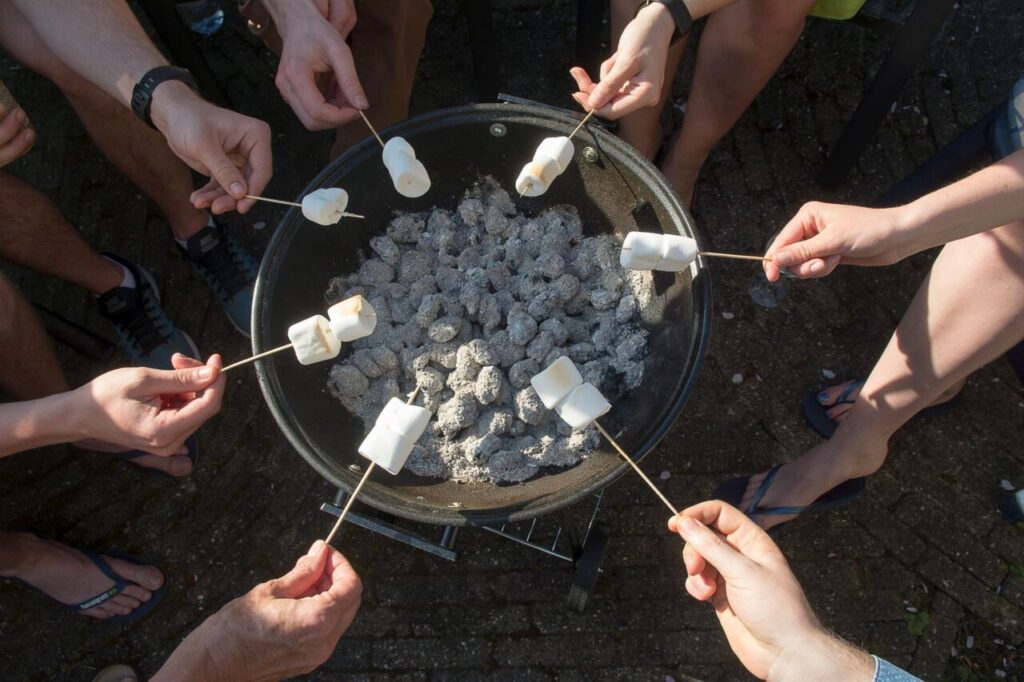
A hot chocolate and s'mores station in Singapore is a staffed or self-serve dessert counter with a chocolate warmer, marshmallow roasting method and a spread of biscuits, chocolate and toppings for guests to build their own s'mores. Because open flame is restricted or banned at most indoor venues here, roasting is almost always done with a torch or electric element rather than a fire pit. Setup needs one power point, a 1.8 to 2.4 metre table footprint, and about 30 to 45 minutes to build before guests arrive.
What the station actually includes
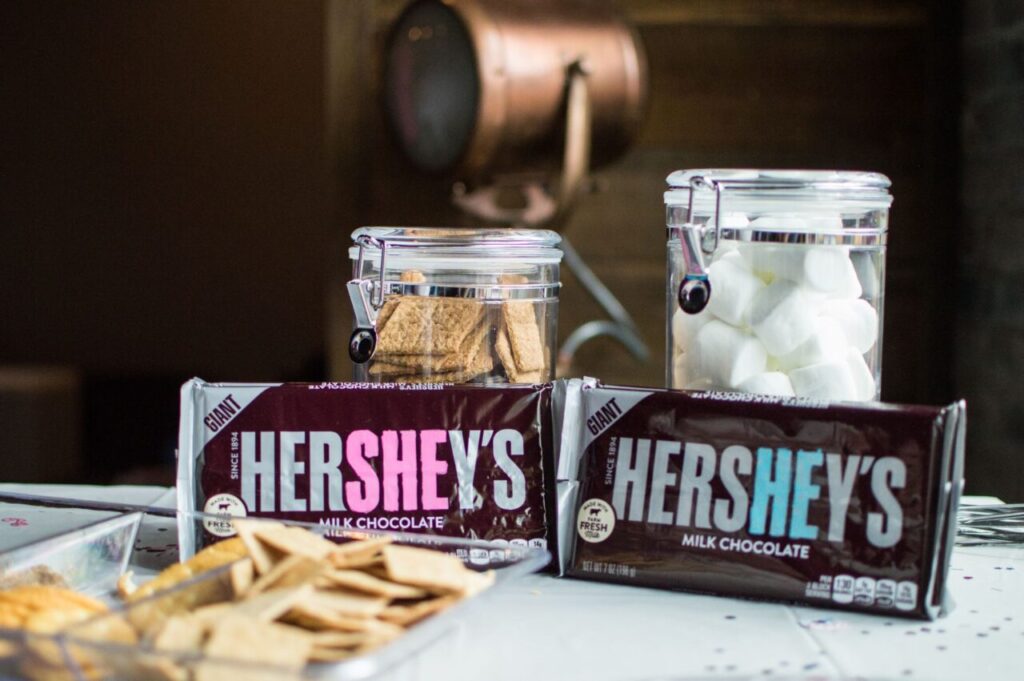
A hot chocolate and s'mores station is a dessert activity, not just a food item on a buffet line. It is a dedicated table with a warmer or urn keeping chocolate at drinking temperature, a tray of marshmallows, graham crackers or digestive biscuits, chocolate squares, and a roasting step where the marshmallow gets its toasted finish. In Singapore this roasting step is the part clients get wrong most often, because the classic campfire image does not translate to a hotel ballroom or a condo function room. Most bookings here use a kitchen torch operated by the attendant, or an electric marshmallow roaster, rather than any open flame.
A proper setup for a hot chocolate and smores station in Singapore includes the table linen, signage, serving tools, the attendant, and enough stock to serve the guest count for the agreed window, with a top-up if the event runs long. Toppings typically run from the basics (plain marshmallow, milk chocolate) through to extras like white chocolate, Nutella, crushed biscuit, sea salt or mini wafers, depending on what package you choose.
2. Choosing a setupFormats, table sizes and durations
Most agencies run two formats: a staffed station where an attendant torches each marshmallow and assembles the s'more for the guest, and a self-serve station where guests build their own from a laid-out spread. Staffed is faster moving at a party with a tight schedule and avoids guests fumbling with a torch near formalwear. Self-serve suits a more casual, longer event where people drift past over several hours, like a garden party or an open-house.
Table footprint is usually a single trestle table, around 1.8 to 2.4 metres, though larger guest counts or a two-sided serving flow will need more. Run time at Singapore events is typically a 2 to 3 hour block matching the reception or the cocktail segment, with extension possible if the venue and the rest of your program allow it. Ask whether the quote includes setup and teardown time or only active serving time, because the two get quoted differently by different suppliers.
3. Where it fitsWhich events it suits
This station works best as a secondary dessert point, not the only food offering. It is a strong fit for year-end and Christmas parties, where the warm chocolate theme matches the season even though Singapore's climate does not. Corporate D&Ds, condo and HDB precinct events, school carnivals, wedding dessert tables, and kids' birthday parties are the other common bookings. For a full list of occasions this kind of activity pairs well with, see our event type guide, which breaks down what tends to work for corporate, private and community events respectively.
It is a weaker fit as a standalone attraction at a large public outdoor event in direct sun, because chocolate separates in heat and marshmallow bags soften fast once opened. If your event is outdoors and daytime, ask the supplier how they manage stock cooling, and whether shade or a tent is part of the plan.
4. The practical detailsSpace, power and fire safety in Singapore venues
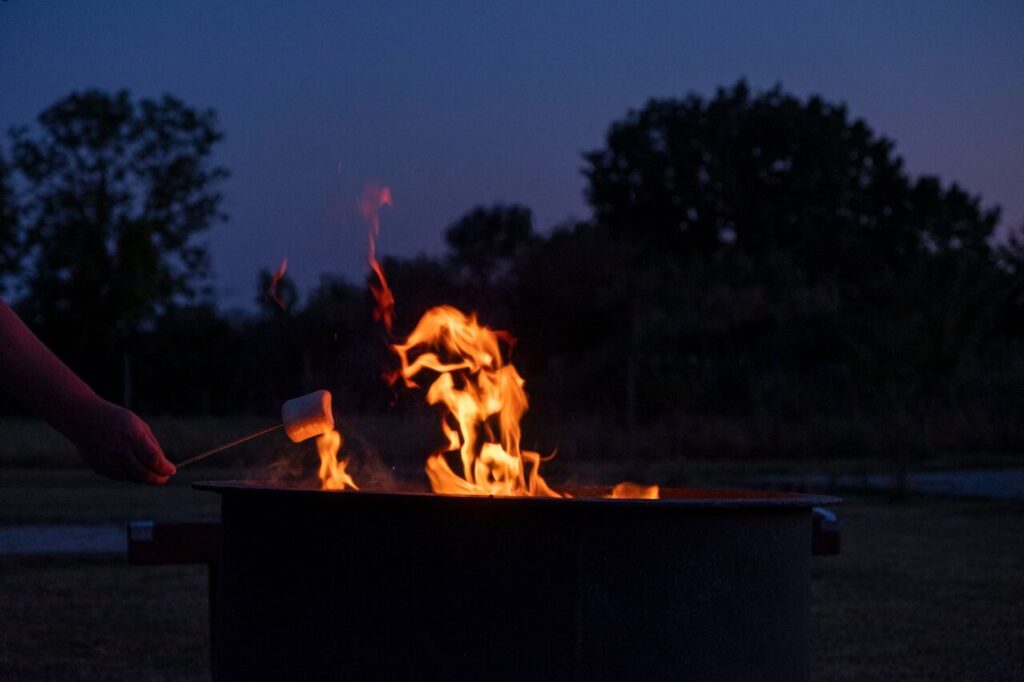
This is where most of the planning actually happens, and where most confusion comes from. Singapore hotels, country clubs and function venues almost universally prohibit open flame indoors without a separate permit from the venue and sometimes from the Singapore Civil Defence Force, and getting that permit arranged in time for a single dessert station is rarely worth the cost or the lead time. Because of this, the roasting method for an indoor hot chocolate and s'mores station in Singapore is a controlled culinary torch, operated only by the attendant, not a fire pit or tabletop flame bowl.
| Requirement | Indoor venue | Outdoor venue |
|---|---|---|
| Roasting method | Culinary torch or electric roaster, attendant-operated | Torch is standard; open flame only if venue and authorities approve it in advance |
| Power | One 13A point within reach of the table, usually available | Confirm a power point exists, or arrange a generator or extension run |
| Shelter | Not needed, air-conditioning helps keep chocolate stable | Tent or shade strongly recommended to stop chocolate separating and marshmallows softening |
| Table footprint | 1.8 to 2.4m, plus queue space in front | Same, plus a flat, dry surface and wind consideration |
| Venue approval | Check food and beverage policy, some venues restrict external catering | Check ground permit and fire safety sign-off if any flame is involved |
Water access nearby for cleanup is useful but not always available, so most attendants bring sanitising wipes and a closed waste bin as standard. If your event has guests with nut or gluten allergies, flag this when booking so the attendant can keep a separate topping tray and serving tool.
5. Cost factorsWhat drives the price
There is no single rate for this station because five variables move the quote independently, and asking a supplier to confirm each one before you compare quotes saves a lot of back and forth later. Guest count sets the stock quantity. Duration sets attendant hours. Staffed versus self-serve changes labour cost. Topping range (basic versus extended) changes ingredient cost. And travel or load-in difficulty, for example a high-rise condo with a long trolley run from the loading bay, adds a logistics charge some suppliers bundle in and others itemise separately.
| Factor | Why it changes the quote |
|---|---|
| Guest count | Sets how much chocolate, marshmallow and topping stock is bought and prepped |
| Duration | Longer service blocks need more attendant hours and more stock top-ups |
| Staffed vs self-serve | A torch-trained attendant adds labour cost but speeds up service and avoids spills |
| Topping range | Extended toppings like white chocolate or Nutella cost more than the base spread |
| Venue access | Loading bay distance, lift access and setup time windows affect logistics cost |
Ask for an itemised quote rather than a single lump figure. It makes it easier to drop or add elements, for example removing the extended topping tier to bring the cost down without losing the attendant.
6. The processHow booking works
Booking an entertainment or catering add-on like this usually runs in four steps. First, you share the date, venue, guest count and whether the setup is indoor or outdoor. Second, the supplier confirms the roasting method allowed at your venue and checks power and table placement, ideally by speaking to your venue coordinator directly if it is your first event there. Third, you confirm the package (staffed or self-serve, topping tier, duration) and a deposit secures the date. Fourth, the attendant arrives 30 to 45 minutes before guest access to set up, and tears down after service ends.
If you are planning the station alongside other entertainment, like dancers or a live act for the same event, it is worth booking through one point of contact so load-in times do not clash. Browse other options on our act type page, or read more about how we run events generally on our about us page.
The most expensive mistake
Booking an outdoor s'mores station assuming an open fire pit is allowed, then finding out at setup that the venue's fire safety policy or ground permit does not cover it. At that point you either lose the roasting element entirely or pay a rush fee for a torch-based alternative. Confirm the flame policy with the venue in writing before you book, not on the event day.
Frequently asked questions
How much does a hot chocolate and s'mores station cost in Singapore?
Cost depends on guest count, duration, whether the station is staffed or self-serve, and the topping range chosen. Rather than a fixed figure, expect the quote to scale with those four factors. Ask for an itemised breakdown so you can see exactly what guest count and duration the price assumes, and confirm current rates directly with the supplier.
Can you have an open flame s'mores station indoors in Singapore?
Almost never without a separate fire safety permit, which most indoor venues will not grant for a single dessert station. Indoor setups use a culinary torch operated by a trained attendant, or an electric marshmallow roaster, instead of an open flame. If open flame matters to you, it is more realistic outdoors, and only after the venue and relevant authority have approved it in advance.
How long does a hot chocolate and s'mores station run for?
Most Singapore events book a 2 to 3 hour service block, usually matched to the reception or cocktail segment of the program. Extensions are possible if the venue schedule allows, but confirm whether your quote covers setup and teardown time separately from active serving time, since suppliers quote this differently.
How many guests can a s'mores station serve?
There is no fixed cap, the station scales by adding stock, attendants, or a second table for larger counts. What matters more than a hard number is queue flow: a single staffed table moves slower per guest than self-serve, so for large guest lists ask the supplier to recommend staffing based on your actual headcount and event timeline.
Do you need power for a hot chocolate station?
Yes, a standard 13A power point is needed to run the chocolate warmer and, if used, an electric marshmallow roaster. Confirm with your venue that a power point is available within reach of the table location, or arrange an extension run in advance. Outdoor venues sometimes need a generator if no fixed power point exists nearby.
What events is a hot chocolate and s'mores station good for?
It suits year-end and Christmas parties, corporate D&Ds, condo and community events, wedding dessert tables, and kids' birthday parties, usually as a secondary dessert point alongside a main meal or buffet. It is a weaker fit as the sole attraction at a large outdoor daytime event, since heat affects chocolate stability and marshmallow texture quickly.
Can the station handle dietary restrictions or allergies?
Most suppliers can accommodate common allergy concerns like nuts or gluten if flagged at the time of booking, by keeping a separate topping tray and serving tool to avoid cross contact. This needs to be arranged in advance rather than requested on the day, since it affects what stock the attendant brings.
How far in advance should I book a s'mores station?
For weekday corporate events, a few weeks' notice is usually workable. For peak periods like the year-end festive season, when demand for this exact activity spikes, booking further ahead gives you more flexibility on date and reduces the risk of your preferred supplier being fully booked.
Ready to add a hot chocolate and s'mores station to your event?
Tell us your date, venue and guest count and we will confirm what setup works on site.
Get a Free Quote