

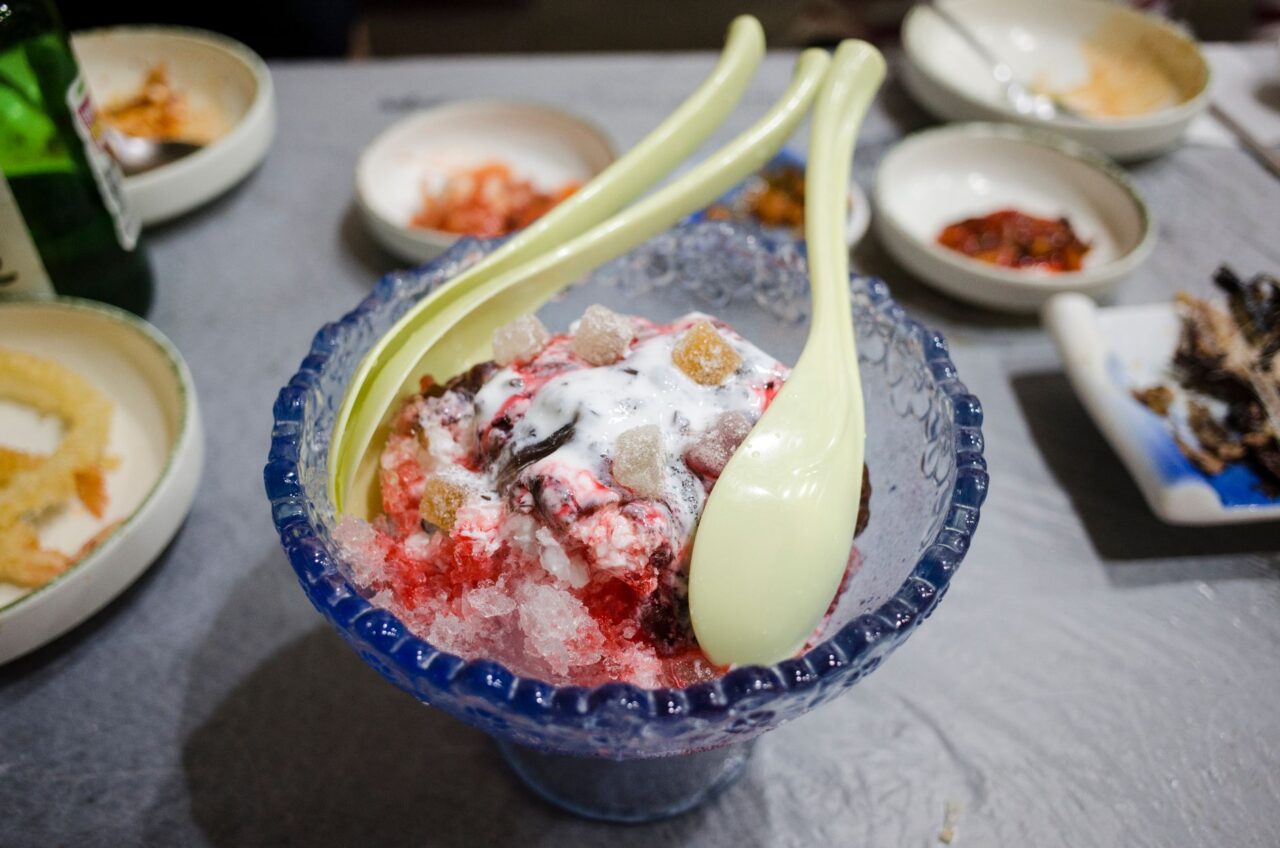
Ice Kacang and Chendol Station Singapore
A live local dessert station for weddings, corporate events and heritage-themed parties, served fresh with an attendant on site.
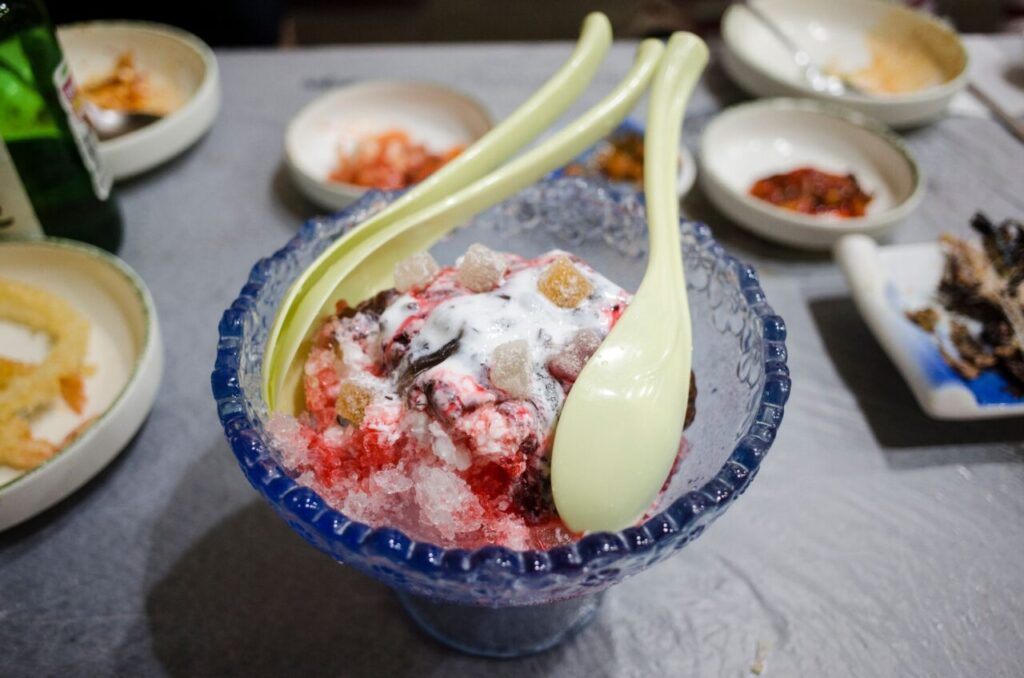
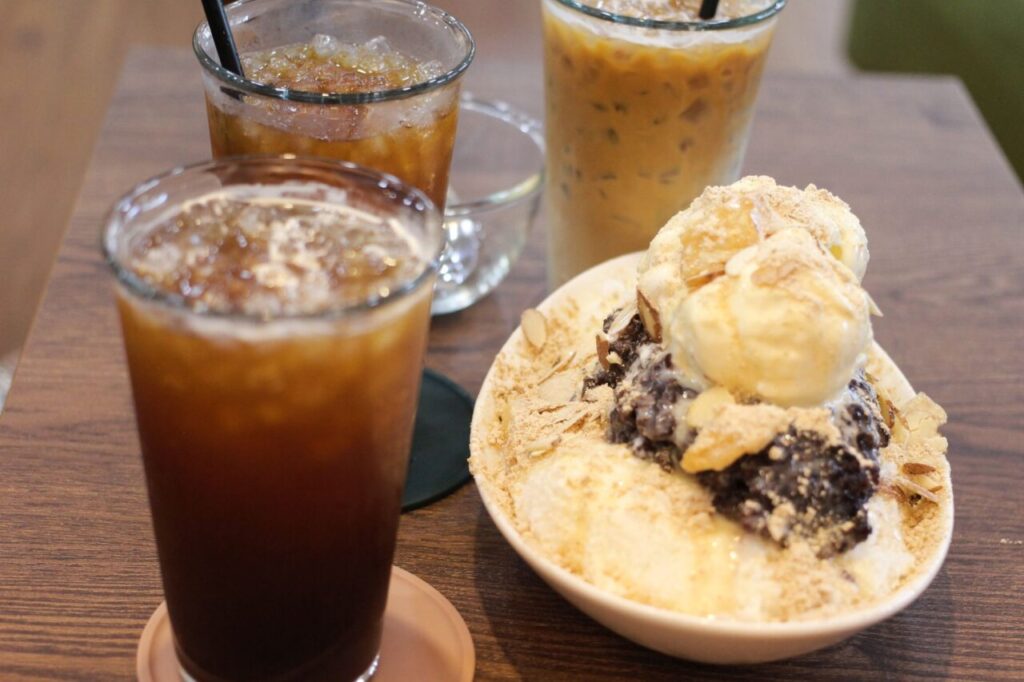
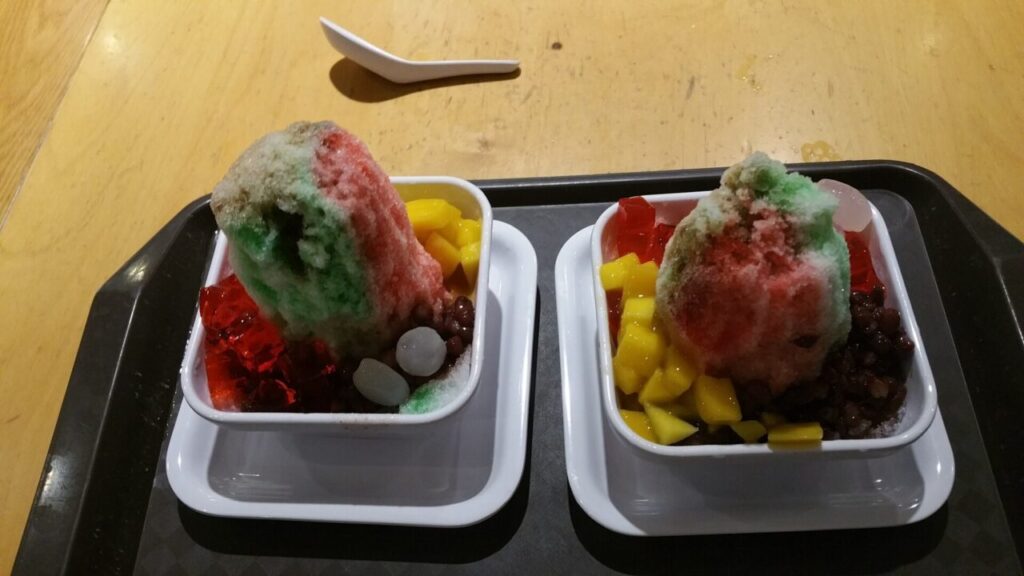
Photos: Orderinchaos (CC BY-SA 4.0) via Wikimedia Commons; Pexels.
An ice kacang and chendol station is a live dessert setup where an attendant shaves ice and assembles the dessert to order in front of guests, using the classic toppings of red beans, grass jelly, sweet corn, attap chee and gula melaka syrup. It is booked as a package that includes the cart or table setup, ingredients, serving equipment and a staffed attendant for a fixed serving window, typically one to two hours. Suits weddings, corporate events, roadshows and heritage or National Day themed parties in Singapore.
What an ice kacang and chendol station actually includes
An ice kacang and chendol station is not a dessert buffet dropped on a table and left unattended. It is a live station: an attendant shaves ice to order, layers the toppings, and finishes each bowl or cup with syrup while guests watch and queue. The two desserts are usually offered side by side from the same setup because they share most of the same equipment and ingredients, which keeps the footprint small and the cost efficient compared to booking two separate stations.
A standard booking includes the ice shaving machine or equivalent appliance, the toppings (red beans, sweet corn, grass jelly, attap chee, and chendol strands made from pandan flour jelly), gula melaka or palm sugar syrup, coconut milk, serving bowls or cups, and the attendant's time for the agreed serving window. Branding, signage, or a themed backdrop for the station is usually an add-on rather than a default inclusion, so ask for it explicitly if you want it.
2. Setup optionsFormats and set lengths
Most vendors offer this as a push cart, a table-top counter, or a tent stall, and the choice is mostly about the look you want and how much floor space is available. A push cart reads as more authentic and photographs well for heritage or hawker-themed events, a table-top counter is faster to set up indoors, and a tent stall suits outdoor events where you also want shade over the ingredients.
Serving windows are usually sold in blocks, commonly one to two hours, with extensions available at an hourly rate. For larger guest counts a single attendant becomes the bottleneck, so some bookings add a second attendant to run two serving points side by side rather than one slower queue. Confirm with the vendor whether cup size, portion count, or guest cap changes the quoted duration, because a station rated for a smaller crowd will run out of ice or ingredients before a two-hour slot for a much larger one.
| Format | Best for | Typical serving window | Space footprint |
|---|---|---|---|
| Push cart | Weddings, heritage themes, National Day events | 1 to 2 hours | Roughly 1.5 to 2 sqm plus queue space |
| Table-top counter | Corporate events, indoor functions, office parties | 1 to 2 hours | Roughly 2 to 3 sqm including back table |
| Tent stall | Outdoor fairs, roadshows, school carnivals | 2 hours or longer, often as a running stall | Varies by tent size, confirm with vendor |
Which events this suits
This station works best where guests have time to queue and chat, which rules out very formal seated events with a tight run of show. It fits well at weddings during the cocktail hour or as a late-evening snack, at corporate D&Ds and roadshows where it doubles as an icebreaker, at heritage or National Day themed parties where it reinforces the theme better than imported desserts, and at school fairs or community events where the price point per guest matters.
If you are already booking cultural performers for a heritage-themed event, pairing the dessert station with a cultural dance performance or a short bhangra and dhol set gives guests both a visual act and something to eat while they watch, which fills the lull between programme segments without needing extra stage time.
4. Site conditionsSpace, power and technical requirements
The two things that actually determine whether this station works at your venue are power and ice handling, not floor space. Most ice shaving machines and blenders need a standard single-phase power point within a short cable run of the station, usually within 5 to 10 metres, and the vendor will specify the exact load. If your venue only has power points far from where you want the station, you will need an extension cable arranged in advance, and some venues charge separately for power access, so confirm this with the venue before confirming the layout with the vendor.
Ice melts, and in Singapore's climate that happens fast outdoors. Outdoor bookings need either shade (a tent or the venue's existing canopy) or a shorter serving window, and the vendor needs a way to top up ice through the event, which usually means access for a refill delivery or an ice box on standby. Ask whether the quoted price includes ice replenishment for the full serving window or only an initial batch, because running out of ice halfway through a two-hour slot is one of the more common complaints at outdoor events.
Water access for cleanup is a secondary requirement most hosts forget to check. If the venue has no nearby sink or tap, the vendor will bring their own water supply, but confirm this is accounted for rather than assumed.
What drives the price
There is no fixed market rate we can quote here, because the price moves with guest count, serving duration, format, and whether you want one attendant or two. What we can tell you is which factors move the number, so you can compare quotes properly instead of just picking the lowest figure.
- Guest count and portion cap: a quote for 80 guests at one bowl each costs less than the same station rated for unlimited servings over two hours.
- Serving duration: extending from one hour to two hours increases attendant time and ingredient volume, both of which add cost.
- Format: a push cart with custom branding or a themed skirt typically costs more than a plain table-top counter.
- Indoor versus outdoor: outdoor bookings may need a tent, extra ice runs, and sometimes a generator if the venue has no power point nearby, each of which is usually a separate line item.
- Number of attendants: a second attendant for a faster queue at larger events adds to the labour cost but reduces guest wait time.
- Travel and timing: late-night events, events outside central Singapore, or events requiring very early setup can carry a surcharge, which varies by vendor.
Ask for a written quote that breaks these out individually rather than one lump sum, so that if your guest count or venue changes closer to the date, you know exactly which line item moves.
6. ProcessHow booking works
The booking sequence for an ice kacang and chendol station is straightforward but has a few steps that are easy to skip when you are coordinating several vendors at once for the same event.
- Share the basics: date, venue, indoor or outdoor, approximate guest count, and whether the event has a theme the station should match.
- Confirm the venue's site conditions: power point location, water access, loading or lift access if the venue is not on the ground floor, and whether there is a time restriction for vendor setup and teardown.
- Get a written quote broken down by format, duration, and attendant count, and confirm whether ice replenishment and cleanup are included.
- Lock the booking with a deposit, which secures the date and the ingredient order, since fresh toppings are usually sourced close to the event date rather than kept in stock.
- Confirm final guest numbers roughly one to two weeks before the event, since most vendors need this lead time to adjust ingredient quantities.
- On the day: the vendor arrives ahead of the serving window to set up, runs the station for the agreed duration, and tears down afterward, usually within an hour of the last serving.
If you are planning the full programme around this station, our event type guide covers how a dessert station like this slots into a wedding, corporate event, or community fair timeline, and our act type overview shows what pairs well with it if you want a performance element alongside the food.
Mistakes that cost you on the day
The single most common and most expensive mistake is mismatching the serving duration or portion cap to the actual guest count, especially at weddings where guests arrive in waves rather than all at once. A station rated for 80 bowls over 90 minutes will run dry well before the end of a three-hour reception if 150 guests show up, and asking the attendant to stretch limited ingredients over a longer window usually means thinner servings for everyone, which guests notice.
The expensive mistake to avoid
Booking a fixed portion count or short serving window for an event where guest arrival is spread out, such as a wedding reception or an open-house corporate event. Guests who arrive late and find the station closed or out of ingredients remember that more than they remember anything else about the dessert. Always size the quote to your actual expected footfall pattern, not just the final headcount, and ask the vendor directly what happens if the station runs low before the agreed end time.
A second recurring issue is power mismatch: venues that look like they have power points everywhere sometimes only have them wired for lighting, not for an appliance load. Confirm the exact power requirement with the vendor and cross-check it against the venue's technical rider or facilities team before the event, not on the setup day.
Frequently asked questions
How much does an ice kacang and chendol station cost for an event in Singapore?
There is no single fixed rate, because the price depends on guest count, serving duration, format (push cart, table-top, or tent stall), and whether one or two attendants are needed. Request a written quote broken down by these factors and confirm it against your actual expected guest count and arrival pattern before booking.
How many guests can an ice kacang and chendol station serve per hour?
This depends on the equipment, the number of attendants, and whether guests want a simple bowl or a more elaborate build. One attendant at a single station generally serves a limited number of guests per hour before a queue forms, so larger events often add a second attendant or a second station. Confirm the specific capacity with the vendor against your guest count.
Do we need to provide power and water for the station?
Most ice shaving equipment needs a standard power point within a short cable run of the setup location, and the vendor will specify the exact load required. Water access is helpful for cleanup but not always essential, since some vendors bring their own supply. Confirm both with the vendor and the venue ahead of the event, not on setup day.
Can the station be customised for a themed event?
Yes. Push carts can be dressed with signage, bunting, or a backdrop to match a heritage, National Day, or wedding theme, and this is usually quoted as an add-on rather than included by default. If theming matters to you, ask for it explicitly when requesting a quote so it is priced and confirmed in advance.
How far in advance should we book an ice kacang and chendol station?
Lead time varies by vendor and by how busy the calendar is around your date, particularly during peak wedding and festive seasons. Booking several weeks ahead is generally safer than leaving it to the last minute, since ingredients are often sourced fresh closer to the event date and popular dates can be taken early.
Is the ice kacang and chendol station halal?
Many vendors in Singapore operate with halal-friendly ingredients and processes, but certification status varies by operator. If halal certification is a requirement for your event, ask the vendor directly for their current certification status rather than assuming, since this can change and should be confirmed in writing.
Can the station be set up outdoors?
Yes, but outdoor setups need shade to slow ice melt and a plan for ice replenishment through the serving window, since ice melts faster in Singapore's heat and humidity. Confirm with the vendor whether the quoted price includes ongoing ice top-ups for the full duration or only an initial batch.
What is included in a typical booking?
A standard booking usually includes the station setup (cart, counter, or tent), the dessert ingredients, serving equipment, and a staffed attendant for the agreed serving window. Branding, themed decor, and a second attendant for faster service are typically optional add-ons. Always confirm the full inclusion list in writing before paying a deposit.
Planning a Singapore event with a local dessert station?
Tell us your date, venue and guest count and we will put together a station and programme that fits.
Get a Free Quote