

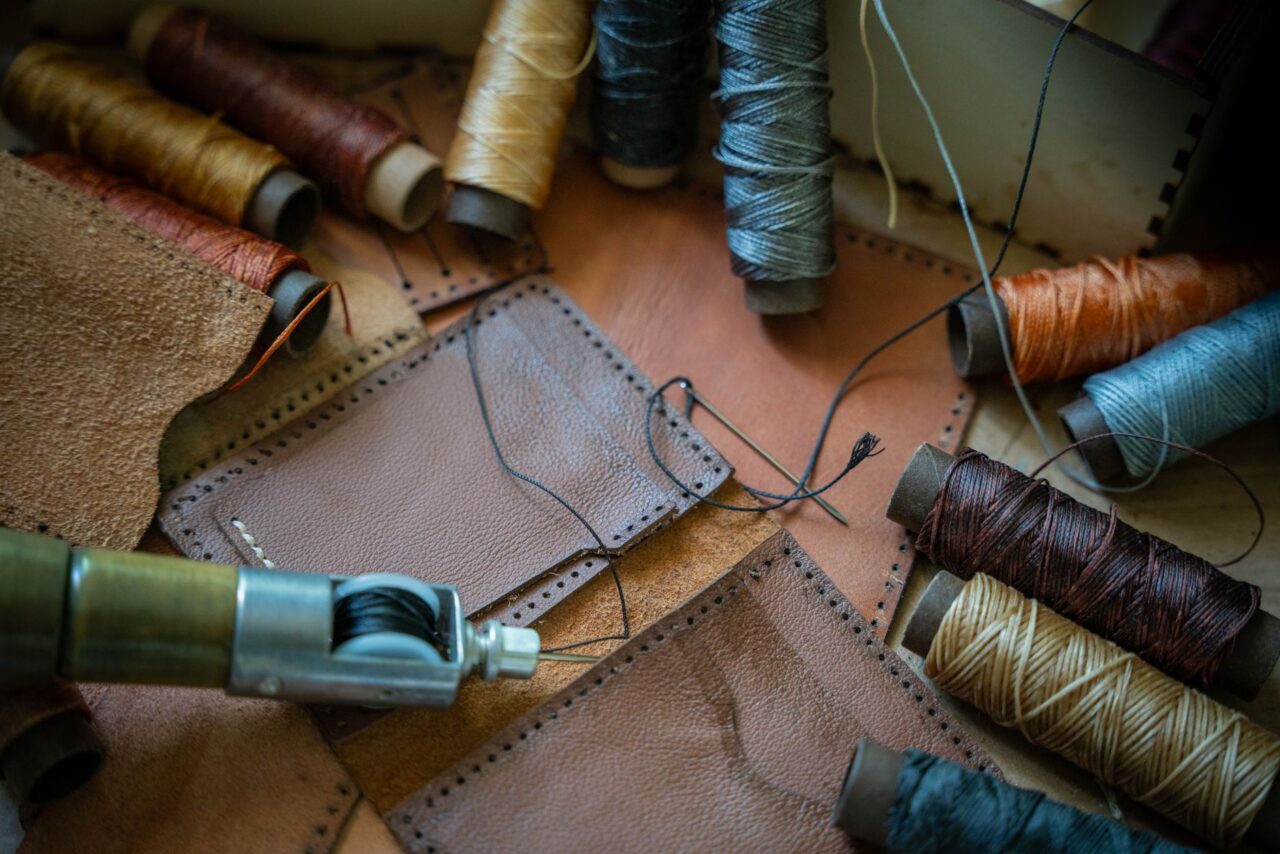
Leather Crafting Workshop Singapore for Corporate Events
A hands-on activity where your team stamps, cuts and stitches real leather into something they take home, run by an instructor who brings every tool, table setup and material to your venue.
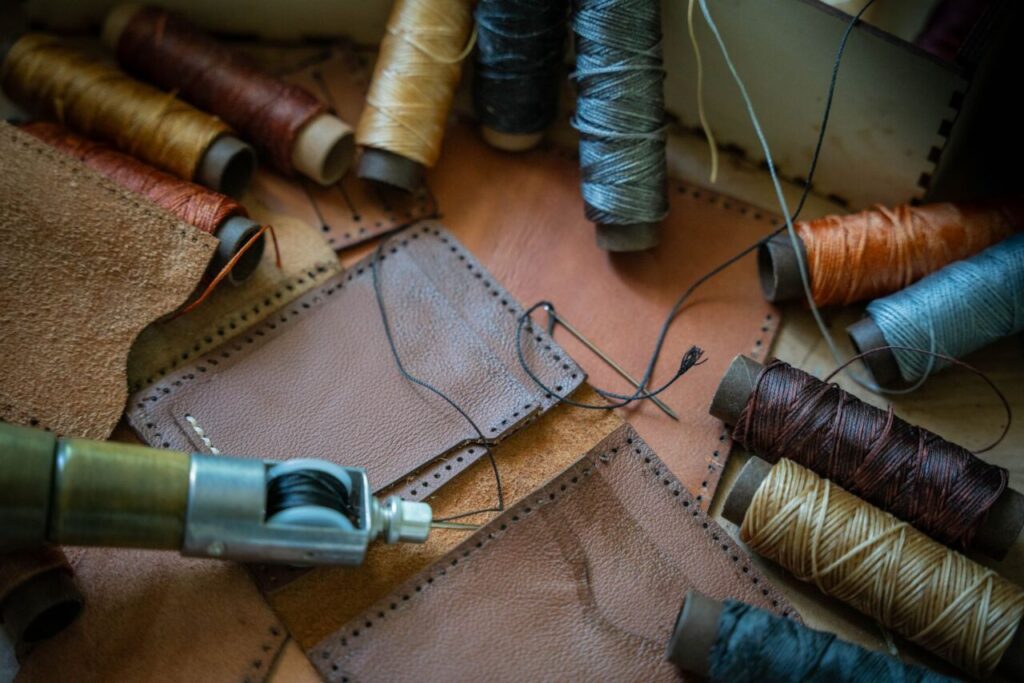
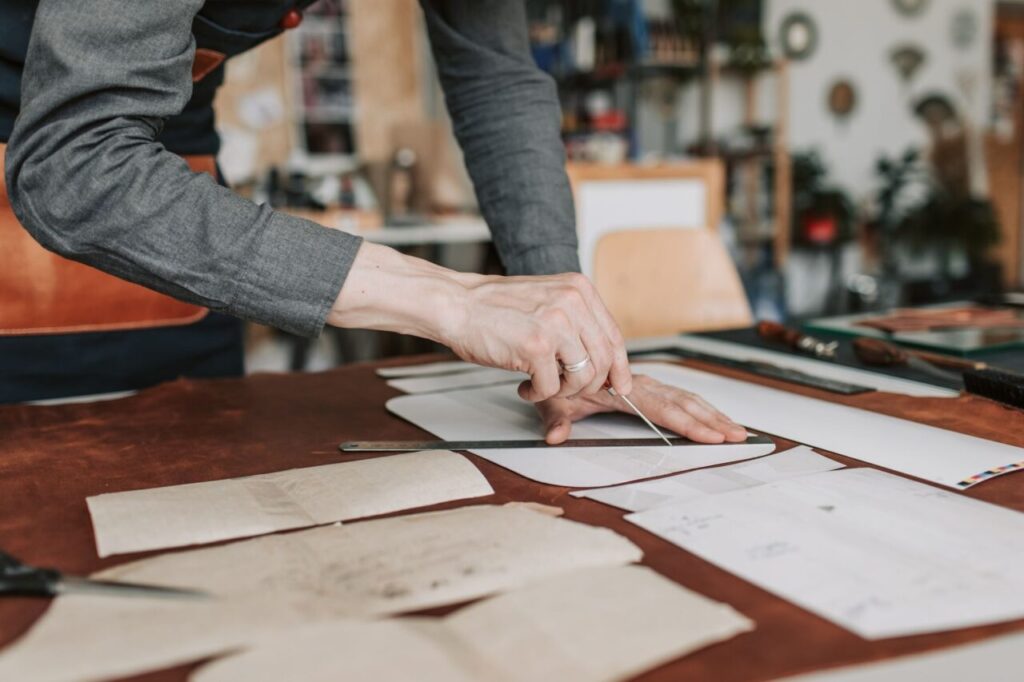
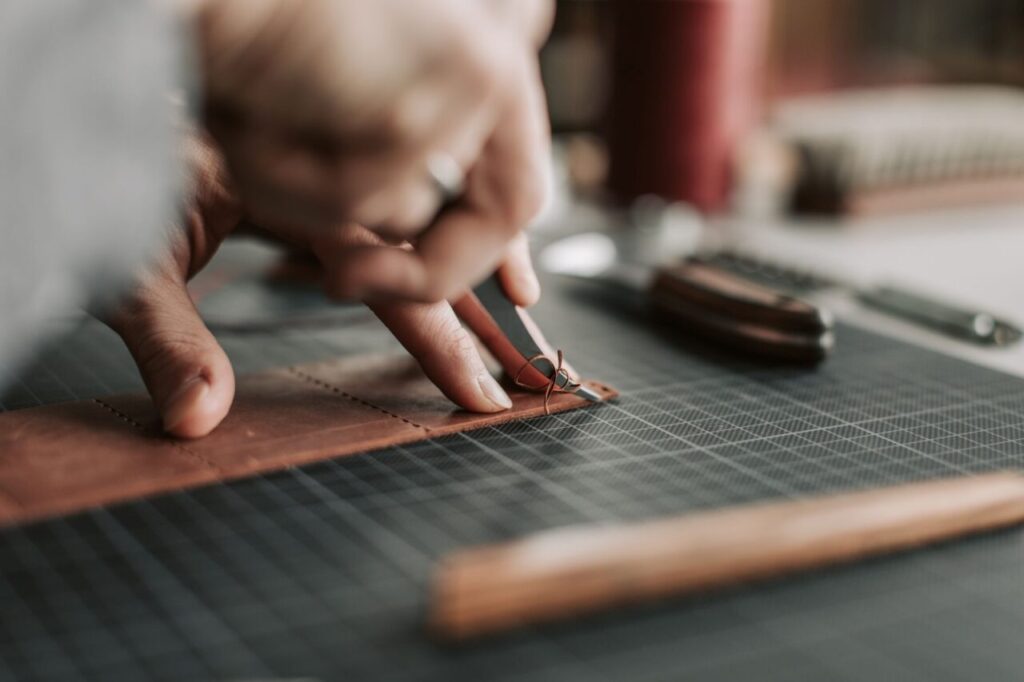
A leather crafting workshop for a corporate event in Singapore is a guided session where staff or clients make a small leather item such as a keychain, coaster or cardholder using pre-cut kits, hand tools and an instructor. Sessions typically run 45 minutes to 2 hours for simple projects, longer for stitched items like pouches or small bags. Pricing is driven by group size, project complexity and whether you want branded stamping, not a fixed number, so get a quote against your actual headcount and date.
What a corporate leather crafting workshop involves
Everyone works from a pre-cut leather kit rather than starting from a raw hide, because that is what makes a one-hour session with forty people possible. An instructor demonstrates each step on a sample piece first: marking the layout, cutting with a leather knife or rotary cutter, bevelling the edges, punching stitch holes with a pricking iron, then saddle-stitching with waxed thread and two needles. Rivets, snap buttons or a leather glue finish off the simpler projects.
The project you choose decides the time and the skill curve. A keychain, luggage tag or simple coaster needs almost no stitching and can be finished by a first-timer in under an hour. A cardholder or small pouch involves hand stitching along two or three edges and needs closer to ninety minutes to two hours. A proper wallet or small tote with lined stitching is a half-day craft session, not a quick team activity, and suits a smaller, more engaged group rather than a full staff party.
Some agencies also run a "leather bar" format: a standing station at a cocktail event or gala dinner where guests drop by between courses to personalise a keychain or luggage tag while the main programme continues around them. It works well for mingling events where you do not want to stop the room for a seated workshop.
2. PricingWhat drives the price of a leather crafting workshop in Singapore
There is no single rate card that fits every booking, because the real cost drivers change the job completely. A forty-minute keychain session for fifteen people and a two-hour cardholder session for eighty people are not the same quote, even though both are called a "leather crafting workshop." Confirm pricing against your own headcount, date and project choice rather than going off a number quoted for a different brief.
| Factor | How it moves the price |
|---|---|
| Group size | Larger groups need more instructors and more kits, which raises the total even though the per-head rate may drop slightly at volume. |
| Project complexity | A no-stitch keychain is cheaper and faster than a hand-stitched pouch or cardholder with lining. |
| Material grade | Genuine vegetable-tanned leather costs more than bonded or PU leather and holds a better finish for branded corporate gifts. |
| Instructor ratio | Stitching-heavy projects need closer supervision, so expect one instructor per eight to ten participants rather than one per fifteen to twenty for simple projects. |
| Branding and personalisation | A custom embossing stamp with your logo or initials is made to order, which adds lead time and a one-off tooling cost on top of the per-head rate. |
| Session length | Add-on time, a second round of projects, or running the activity across two sittings all add to the total. |
Ask for a quote that breaks out instructor fees, material and kit cost per head, and any branding tooling fee separately. That makes it much easier to adjust the booking later if your headcount shifts, which it almost always does between the enquiry and the actual event date.
How many people can take part in a leather crafting workshop
Group size is really a question of how many instructors you book, not a hard cap on the activity itself. A single instructor can comfortably run a simple project for 15 to 20 participants in a seated, lecture-style demo where everyone works at their own pace. Push past that and attention thins out fast on the fiddly steps, particularly stitching, and you will see people sitting idle waiting for help while others finish early.
For larger corporate groups, say 50 to 200 people, the usual fix is multiple instructors running parallel stations or rotating smaller batches through a shorter activity window rather than one person trying to manage the whole room. Tell your agency the full headcount at enquiry stage, not a rough estimate, because the instructor count and table layout are built around that number.
4. Venue needsSpace, tables and power requirements for leather crafting
Each participant needs roughly 60 to 80cm of clear table length to work safely with a cutting mat, mallet and tools laid out in front of them. Trestle tables or long banquet tables work better than small round tables, since round tables waste space in the middle and make tool-sharing awkward. Protective mats under each station are worth insisting on, because leather glue and knife work can mark a venue's table surfaces, and some venues will charge for damage.
Power needs are minimal for most setups, usually just an extension point for a speaker or microphone during the demonstration. If the format includes an electric engraving or burning tool at a branding station, flag that early so the venue can confirm socket access near the work area. Mallet work is repetitive tapping noise, which is worth mentioning to the venue if the session runs near another function room or a shared wall, and good lighting over each station matters more than people expect, since stitch holes and edge bevelling are fine detail work.
Which corporate events suit a leather crafting workshop
Leather crafting fits best where you want staff or clients engaged with their hands and talking to each other rather than passively watching a stage. It works well for a mid-size team building afternoon, a year-end party add-on activity, a client appreciation event where guests leave with something they made, or a CSR-style session where the finished pieces are donated or gifted onward. It is also a reliable fit for product launches and office offsite days that want one anchor activity rather than a full entertainment lineup.
It is a weaker fit for very large, loud functions where guests are standing and moving between stations unless you run the roving "leather bar" format instead of a seated workshop. If your event already has a packed entertainment programme, pair a shorter leather session with something lower-effort for the rest of the evening. Browse our full event type options to see what other formats pair well with a hands-on craft session, or look at the full act type range if you want to combine it with a performance act rather than another workshop.
The most expensive mistake
Booking a complex, hand-stitched project for a large group with only one instructor and a short time slot. The session overruns the booked room time, half the group leaves with an unfinished piece, and you still pay for the venue extension. Match the project to the time you actually have and the instructor ratio your agency recommends, not the project that looks best on the enquiry form.
How to book a leather crafting workshop for your event
The process starts with your headcount, date and venue, since those three numbers decide the instructor count and table layout before anything else is discussed. From there it usually runs in this order:
- Share your event date, confirmed or estimated headcount, venue name, and whether tables and chairs are already arranged or need to be set up for the activity.
- Choose a project tier: no-stitch quick items, a stitched cardholder or pouch, or a longer half-day piece for a smaller engaged group.
- Flag branding requirements early if you want a custom embossing stamp with a logo or initials, since that stamp is made to order and needs lead time.
- Confirm the venue's table surfaces, power access near any branding station, and whether the room is shared with another function during your slot.
- Review the quote broken into instructor fees, material cost per head and any one-off branding tooling fee, then confirm with a deposit.
- Run sheet and setup time are agreed closer to the date, and the instructor arrives early to lay out tools and kits before guests enter the room.
If you are weighing a leather workshop against a performance-based activity instead, our dancers in Singapore and cultural dance pages cover formats that work as a higher-energy alternative or a complementary slot earlier in the programme. You can also read more about how we run corporate activities generally on our about us page.
Frequently asked questions
How much does a leather crafting workshop cost in Singapore?
There is no fixed rate because cost depends on group size, project complexity and whether you want custom branding. A short keychain session for a small group costs less than a stitched cardholder session for a large one, and a custom logo stamp adds a one-off tooling fee. Request a quote against your actual headcount and chosen project rather than a generic figure.
How long does a leather crafting workshop take?
Simple no-stitch projects such as keychains or luggage tags usually run 45 minutes to an hour. Cardholders or small pouches with hand stitching take closer to 90 minutes to two hours. A full wallet or small bag with lined stitching is a half-day craft session and suits a smaller, more committed group rather than a quick team activity.
How many people can take part in a leather crafting workshop?
One instructor can run a simple project comfortably for 15 to 20 people. Larger groups, from 50 up to 200 or more, are handled with multiple instructors running parallel stations or smaller rotating batches. Give your agency the full confirmed headcount early so the instructor count and table layout are planned correctly.
Do participants keep what they make?
Yes, in almost every corporate leather workshop format the finished item, whether a keychain, coaster, cardholder or pouch, is kept by the person who made it. Some companies use the session as a branded takeaway gift, stamping the company logo onto each piece during the activity.
Can the workshop include our company logo or branding?
Yes, a custom embossing stamp can be made with your logo or initials and used during the session, but it is made to order so it needs lead time ahead of the event. Flag this requirement at enquiry stage rather than at final confirmation so there is enough time to produce the stamp.
Does the venue need special power or equipment for a leather workshop?
Most setups need very little: trestle tables, protective mats and standard room power for a speaker or microphone during the demonstration. If the format includes an electric branding tool, confirm socket access near that station in advance. The main venue consideration is table surface protection, since leather glue and knife work can mark unprotected tables.
Is a leather crafting workshop suitable for people with no craft experience?
Yes, it is designed for first-timers. Kits are pre-cut, tools are hand tools rather than power tools, and the instructor demonstrates every step before participants attempt it themselves. Simple projects like keychains need no prior skill at all, while stitched projects just take a little longer to pick up.
Can a leather crafting workshop be combined with other entertainment?
Yes, it pairs well as an opening activity before a dinner programme or as a station running alongside a cocktail reception. For events that also want a performance element, pairing it with a shorter dance or cultural act on the same evening is common, run back to back rather than at the same time so neither activity competes for attention.
Planning a corporate leather crafting workshop in Singapore?
Tell us your headcount, date and venue and we will put together instructor numbers, project options and a proper quote.
Get a Free Quote