

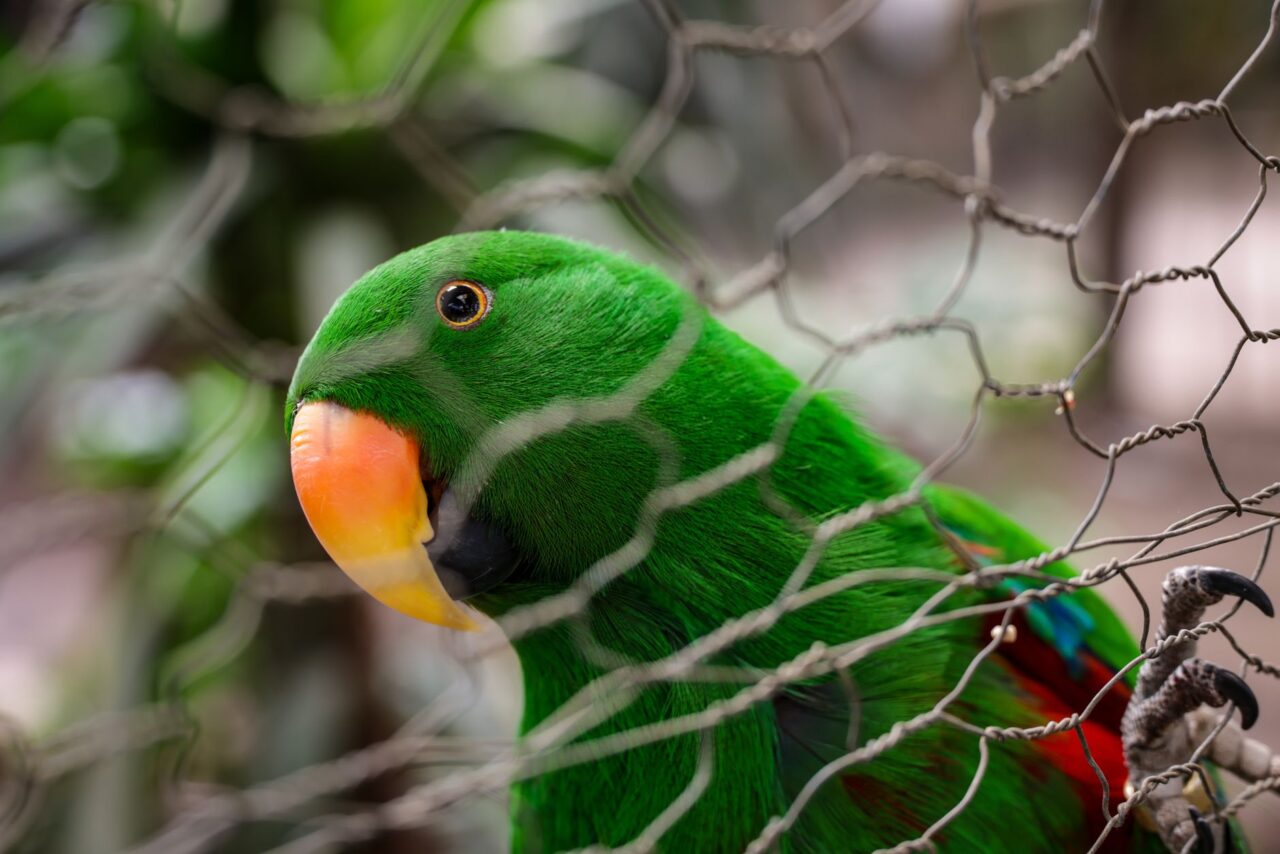
Parrot Card Reading for Events in Singapore
A trained bird, a handler and a tray of fortune cards, set up as a standalone activity station for parties, fairs and corporate events.
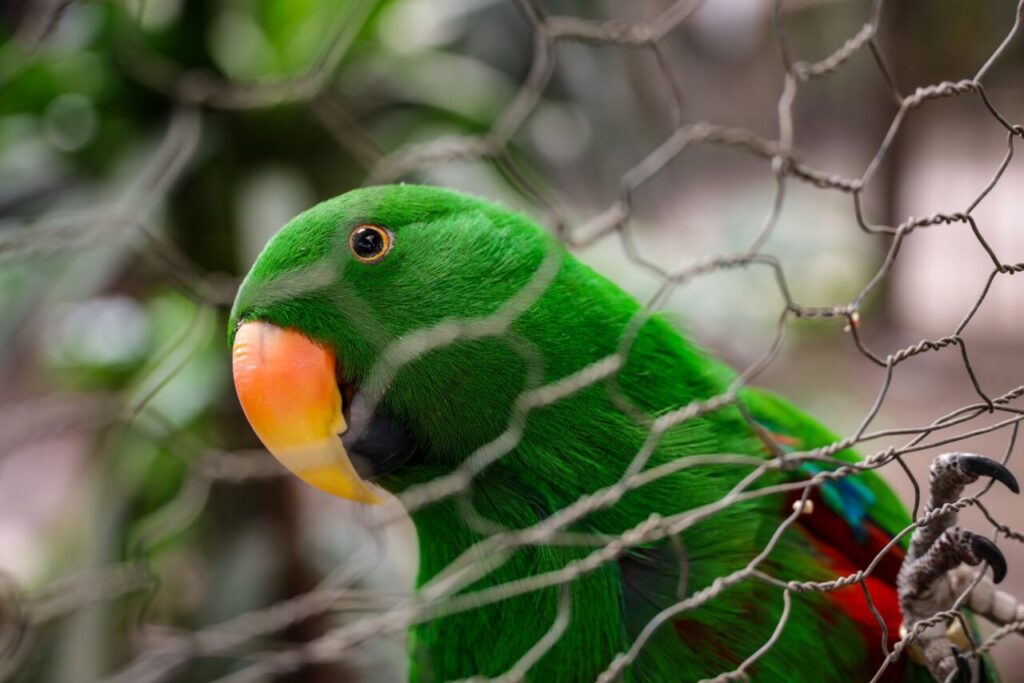
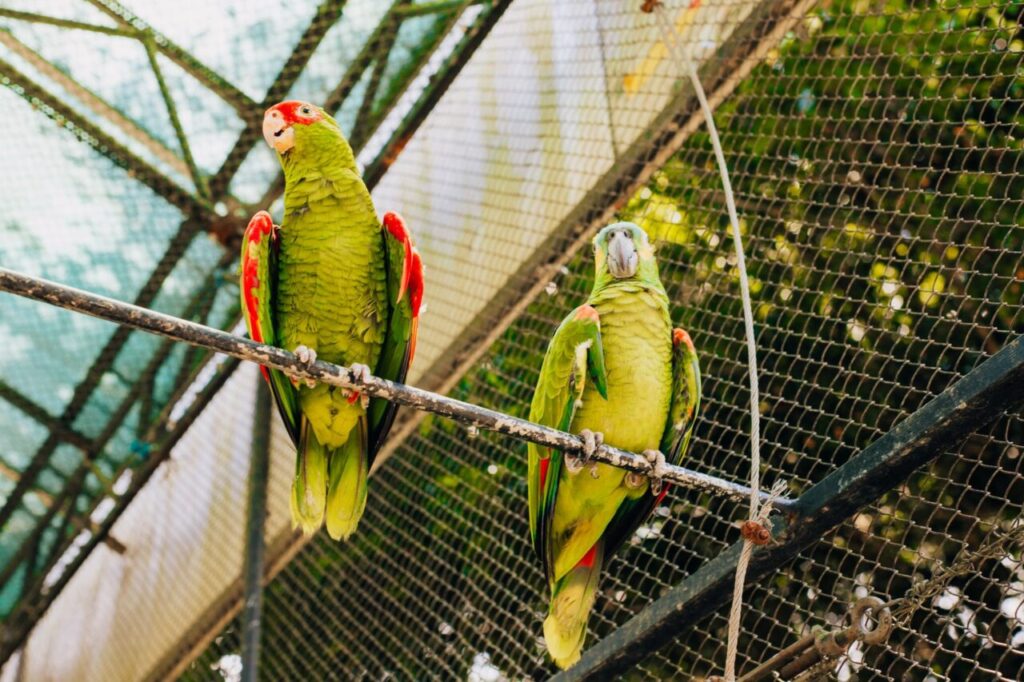
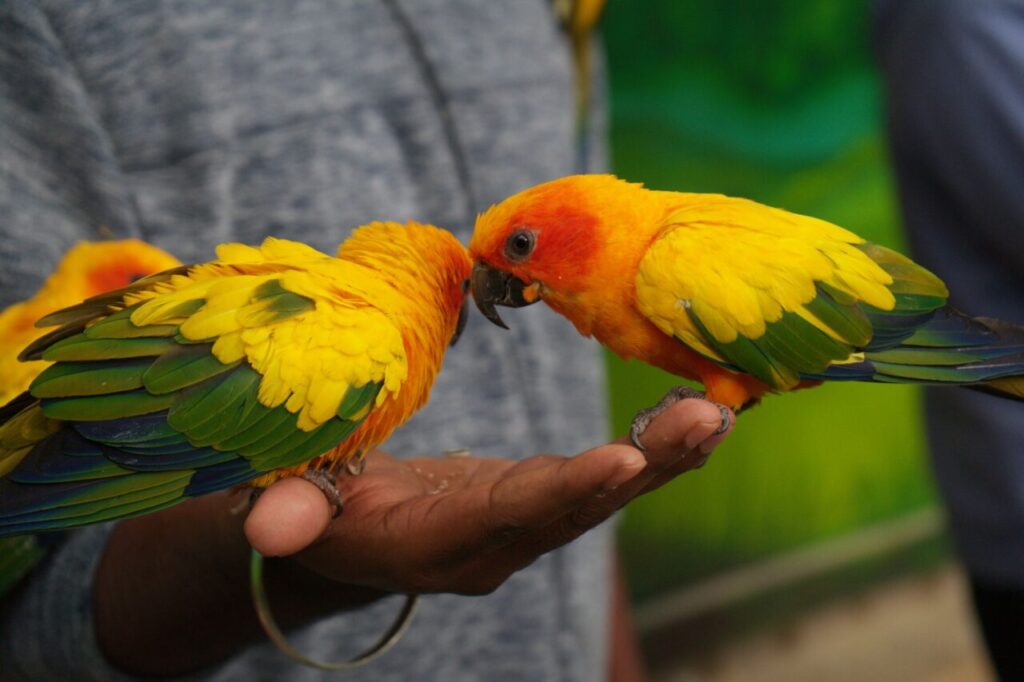
Parrot card reading for events in Singapore is a live novelty act where a small trained parrot picks a folded fortune card from a tray for each guest, and a handler reads it aloud. It runs as a fixed booth or a roving station, usually serving one guest at a time in sessions of one to three minutes. It suits corporate parties, weddings, cultural festivals and family day events. Cost depends on duration, number of stations and travel, so always confirm a quote against your actual guest count and venue.
What parrot card reading actually is
Parrot card reading is a live interactive act, not a magic trick. A small, trained parrot, often a cockatiel, lovebird or similar species chosen for calm temperament in crowds, sits on a stand next to a tray of folded fortune or oracle cards. A guest asks a question or simply steps up for a reading, the parrot picks a card with its beak, and the handler unfolds it and reads the message aloud. The whole exchange takes one to three minutes per guest and feels personal even though the line of people behind them is watching.
The format has roots in traditional street fortune telling found across parts of Asia, where it is sometimes called tota card reading. In the Singapore events market it has been reframed as a novelty activity station rather than a serious fortune telling service, which is why it works well next to a photo booth, a henna table or other interactive corners at a party.
Formats and set lengths
Most bookings run as a continuous station for a set block of time, not a single performance. You book the act for a window, typically one to three hours, and guests come and go in a queue for the whole block. There is no stage moment and no need to gather a crowd at once, which is what makes it easy to drop into a cocktail hour or a lobby activation.
There are two common setups. A fixed booth has the parrot and handler at one table all event, with guests walking up. A roving version has the handler moving table to table at a seated dinner, carrying a smaller tray and doing brief readings between courses. Roving works for smaller guest counts because it is slower per head, typically covering fewer tables per hour than a fixed booth can serve walk-up guests.
| Format | Typical session length | Best for |
|---|---|---|
| Fixed booth, walk-up | 1 to 2 minutes per guest | Parties, fairs, exhibitions, large footfall |
| Roving, table to table | 2 to 3 minutes per table | Seated dinners, weddings, smaller gatherings |
| Booked block | 1 to 3 hours total | Any format, this is how the act is usually quoted |
Which events it suits (and which it does not)
Parrot card reading works best at events where guests have time to queue and chat, which rules out anything running to a tight minute-by-minute program. It is a strong fit for corporate family days, Deepavali and Chinese New Year celebrations, pasar malam themed parties, product launch activations, weddings with a cocktail hour, and school or community fairs where a novelty station adds colour without needing a stage or a sound cue.
It is a poor fit for very loud venues with no quiet corner, outdoor events in direct heat or rain with no shade, and formal corporate dinners where the program is scripted to the minute with no free mingling time. Birds are sensitive to extreme heat, loud bass and sudden crowd surges, so the venue needs a corner that is sheltered, reasonably calm, and away from the main speaker stack.
If you are weighing this against other interactive or cultural options for the same event, our act type page lists the other novelty and audience participation formats we supply, and the event type page breaks down what tends to work for corporate versus private bookings.
Space, power and setup requirements
The physical footprint is small. A single station needs a table around one metre wide, two chairs, and enough clearance behind for the bird's travel cage and the handler's supplies. Power is only needed if you want a small lamp for low-light venues or a tabletop sign with lighting, the bird and cage need no electrical connection at all.
| Requirement | Typical need | Notes |
|---|---|---|
| Floor space | Roughly 2m x 2m per station | More if a small queue barrier or signage is added |
| Power | None essential, one 13A socket if lighting is wanted | Confirm socket location with the venue in advance |
| Environment | Shaded, away from loud speakers | Direct sun or heavy bass stresses the bird |
| Setup time | 15 to 30 minutes before guests arrive | Handler also needs a short pack-down window after |
If the event is outdoors, tell us at the enquiry stage. We will confirm shade, temperature and crowd flow before committing the bird to the slot, and we reserve the right to adjust timing or decline an outdoor slot if conditions are unsafe for the animal on the day.
Animal welfare and permits in Singapore
Commercial display of animals in Singapore sits under the Animal and Veterinary Service, part of the National Parks Board. Any agency bringing a bird to a paid or ticketed event should be able to show the relevant permit or licence on request, and the handler should be visibly trained in handling the species being used, not a general events staffer holding a bird for the first time. Ask for this before you confirm a booking, it takes one email and a reputable supplier will have the paperwork ready.
Session length per bird is usually capped through the day, with rest breaks and a second bird rotated in for long bookings. If your event runs more than two to three hours, ask whether the quote includes a bird rotation, because keeping one bird working a full afternoon without rest is the kind of shortcut that causes problems, both ethically and because a stressed bird stops performing reliably.
The most expensive mistake: booking without confirming the handler is trained and licensed
The costliest error is not price, it is booking a bird act through an unverified source and finding out on event day that there is no permit, no trained handler, or a bird that is clearly stressed in front of your guests. This can mean the activity gets shut down mid-event by venue security or management, with no refund and a gap in your program. Always ask for proof of licensing and handler experience before you pay a deposit, not after.
What drives the price
There is no fixed market rate for parrot card reading in Singapore, and we will not quote a number here that could be wrong by the time you read it. What we can tell you is what moves the price up or down, so you can sanity check any quote you receive.
| Factor | Effect on price |
|---|---|
| Duration booked | Priced per hour block, longer bookings cost more in total but usually less per hour |
| Number of stations or birds | A second station for high guest counts roughly doubles the base cost |
| Fixed booth vs roving | Roving service usually costs more per hour, it needs more handler attention per guest |
| Venue location and timing | Late night, public holiday or far-island bookings add a travel or surcharge component |
| Add-ons | Branded card inserts, a printed souvenir slip or custom signage add a flat fee |
Ask for a quote based on your actual guest count, event window and venue, since all of these move the figure. We will also tell you honestly if your guest count needs a second station to avoid a long queue, rather than let one bird work an unrealistic crowd.
How booking works
Booking follows the same process as our other interactive acts. You send us the event date, venue, guest count and whether the event is indoor or outdoor. We confirm bird and handler availability, check the venue environment against what the animal can tolerate, and send a quote that states the format, duration, setup needs and what happens if the event runs long.
Once confirmed, we send a short setup brief to your venue or event planner covering table space, access timing and any power needs, so there are no surprises for your on-site team on the day. Payment terms and cancellation conditions are set out in our terms and conditions, worth reading before you confirm a date, particularly the section on weather and animal welfare contingencies for outdoor bookings.
If you are planning a culturally themed event and want to pair this with a dance act, our cultural dance and Bollywood dancers pages cover performance options that often run alongside a novelty station like this one at festival style events.
Frequently asked questions
What is parrot card reading?
Parrot card reading is a live novelty act where a trained parrot picks a folded fortune or oracle card from a tray for each guest, and a handler reads the message aloud. It runs as a one to three minute session per guest, either at a fixed booth or roving table to table, and is booked as an activity station rather than a stage performance.
How much does parrot card reading cost for an event in Singapore?
Cost depends on duration booked, number of stations needed for your guest count, fixed booth versus roving format, venue location and any branded add-ons. There is no fixed market rate, so request a quote based on your actual event date, guest numbers and venue rather than relying on a figure quoted for a different event.
Is parrot card reading safe or stressful for the bird?
A reputable supplier uses a trained handler, limits each bird's working session with rest breaks, and avoids outdoor slots in direct heat or very loud venues. Ask any agency for proof of a trained handler and relevant permit before booking. A bird that looks agitated or is worked for hours without rotation is a sign the supplier is cutting corners.
Do you need a permit for animal acts at events in Singapore?
Commercial display of animals in Singapore falls under the National Parks Board's Animal and Veterinary Service. A legitimate supplier should hold the relevant permit and be able to show it on request. Confirm this with your agency before the event, and check with your venue whether they have their own additional requirements for animal acts on site.
How many guests can be served in an hour?
A single fixed booth typically handles a modest number of guests per hour because each reading takes one to two minutes plus queue turnover. For large guest counts, a second station is usually recommended rather than letting one bird work an unrealistic queue. Ask your supplier to size the number of stations to your actual headcount.
Can parrot card reading be combined with other acts at the same event?
Yes, it is commonly paired with other interactive or cultural stations such as henna, photo booths, or a cultural dance performance for a themed festival event. Because it runs as a standalone station rather than a stage act, it does not clash with a program schedule and can run continuously alongside other entertainment.
What space does a parrot card reading station need?
A single station needs roughly a two metre by two metre footprint for a table, two chairs and the bird's travel cage, plus clearance for guests to queue. No power is essential unless you want lighting or signage at the table. The area should be shaded and away from loud speakers to keep the bird calm.
Is this suitable for weddings and corporate parties?
Yes, it works well at weddings during the cocktail hour, at corporate family days, and at product launches where guests mingle freely. It suits events with unstructured time for guests to queue. It is a weaker fit for formal dinners with a tightly scripted program, since the act needs a continuous block of guest downtime rather than a single cued moment.
Ready to book a parrot card reading station for your event?
Tell us your date, venue and guest count and we will confirm availability and a straight quote.
Get a Free Quote