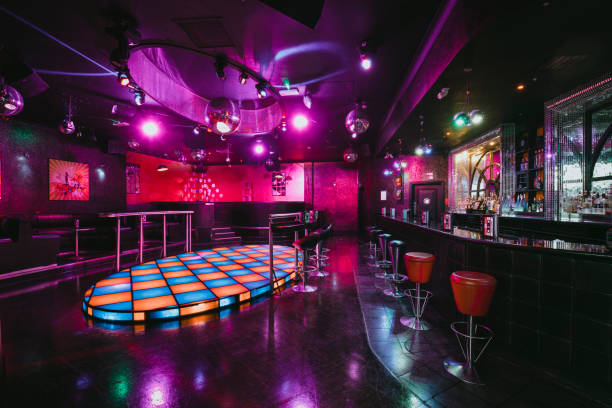
The entertainment landscape for events in Singapore is shifting rapidly in 2026. What guests expected two years ago no longer cuts it. Planners and hosts across corporate functions, weddings, and private celebrations are rethinking how entertainment fits into the overall event experience, moving away from passive performances toward immersive, interactive, and culturally resonant entertainment choices.
These are not vague predictions. These are the trends already shaping events across Singapore right now, based on what entertainment agencies, event planners, and venues are seeing in actual bookings and enquiries this year.
Live Entertainment Is Back Stronger Than Ever
Live music and performance bookings in Singapore have surged since the post-pandemic recovery, and 2026 is the strongest year yet. The demand is not just for any live act but for performers who can adapt to different moments within an event. A single band that handles cocktail hour jazz, dinner ballads, and dance floor anthems is more valuable than three separate acts.
What is driving this trend is a shift in how planners think about entertainment budgets. Rather than spreading spend across many small elements, the move is toward investing in fewer, higher-quality live performers who deliver impact across the entire event timeline. Full cover bands with versatile repertoires, solo musicians who loop and layer live, and vocalists who perform in multiple languages (English, Mandarin, Malay, Tamil) are in highest demand.
Acoustic and unplugged performances are also trending for intimate settings, garden weddings at venues like Raffles Hotel and Capella, and cocktail receptions where background music needs to be present but not overwhelming.
AI-Enhanced Entertainment Meets Human Performance
Artificial intelligence is making its way into event entertainment in Singapore, but not in the way many expected. The trend is not about replacing human performers with AI. Instead, it is about using AI tools to enhance what human entertainers deliver.
DJs are using AI-powered mixing software to analyse crowd energy in real time and adjust set lists on the fly. Live bands are incorporating AI-generated visual projections that sync with their music. Caricature artists are blending hand-drawn skill with AI-assisted digital illustration to produce portraits in minutes rather than twenty-minute sittings.
The most interesting development is AI-powered personalisation. Entertainment agencies can now use AI to analyse an event’s guest list demographics and suggest entertainment packages tailored to the specific audience. A corporate dinner for a tech company gets a different entertainment recommendation than a charity gala for a heritage organisation.
However, Singapore audiences still overwhelmingly prefer human-led entertainment. AI is a tool that makes performers better, not a replacement for the energy and emotional connection of a live act.
Immersive and Multi-Sensory Experiences
The biggest shift in Singapore event entertainment for 2026 is the move from entertainment you watch to entertainment you experience. Immersive experiences engage multiple senses and blur the line between performer and audience.
LED performers who interact with guests during their routines, rather than performing on a distant stage, are booking consistently across corporate events and weddings. Projection mapping is transforming blank venue walls at Marina Bay Sands and Sentosa ballrooms into dynamic visual landscapes that change throughout the evening.
Interactive entertainment stations are replacing traditional stage-only performances at corporate events. Think roving magicians who perform tableside, live art installations where guests contribute to a collaborative painting, or digital photo experiences that go far beyond the standard photo booth.
Multi-sensory design means entertainment now coordinates with lighting, scent, and even food service. A jazz trio performing during dinner is paired with warm amber lighting and specific aromatic elements that complement the cuisine. This holistic approach to entertainment design is what separates 2026 events from those of previous years.
Cultural Fusion Entertainment Is the New Standard
Singapore’s multicultural identity has always influenced event entertainment, but 2026 marks a shift from token cultural performances to genuine cultural fusion. Rather than booking a Chinese lion dance as a standalone segment or a Bollywood dance troupe for a single number, planners are weaving cultural entertainment throughout the entire event.
The trend is toward acts that blend cultural traditions. A live band that transitions seamlessly from English pop to Mandarin ballads to Tamil wedding songs within a single set. Fusion dance performances that combine contemporary choreography with traditional Chinese, Malay, or Indian dance elements. Emcees who switch fluently between three or four languages and understand the cultural protocols for different segments of a multicultural celebration.
This trend is particularly strong for weddings where the couple comes from different cultural backgrounds. Instead of separate cultural segments that feel disjointed, entertainment that celebrates both traditions simultaneously creates a more cohesive and emotionally powerful celebration.
Interactive Technology-Driven Entertainment
Technology is not replacing traditional entertainment in Singapore but adding new interactive layers that increase guest engagement. The technology trends gaining traction for events in 2026 include augmented reality (AR) experiences where guests use their phones to unlock hidden content throughout the venue, digital photo mosaics that compile guest selfies into a large collaborative artwork revealed at the end of the event, and live social media walls that display guest posts and reactions in real time.
Interactive LED dance floors that respond to movement and music are becoming standard at premium corporate events and wedding receptions. QR-code-driven entertainment allows guests to request songs, vote on activities, or participate in live polls that the emcee or DJ incorporates into the programme.
The key insight for 2026 is that technology works best when it enhances human interaction rather than replacing it. The most successful tech-driven entertainment creates moments of connection between guests, not isolation behind screens.
Sustainability-Conscious Entertainment
Sustainability is influencing entertainment choices at Singapore events in 2026, particularly for corporate functions where ESG commitments affect every vendor decision. Event planners are increasingly asking about the environmental impact of entertainment setups.
The practical implications include a preference for acoustic performances that require minimal power and equipment, LED lighting rigs that consume a fraction of the energy of traditional stage lighting, digital entertainment elements that reduce physical waste (digital photo booths instead of printed props, electronic invitations for entertainment schedules), and local performers who do not require international travel.
Singapore-based entertainment agencies that can demonstrate sustainable practices, from equipment choices to transport logistics, are winning more corporate contracts. This trend is still emerging for private events and weddings but is firmly established in the corporate event space.
The Rise of Micro-Entertainment and Intimate Formats
Not every event in 2026 needs a full band on a grand stage. One of the strongest trends is the rise of micro-entertainment: smaller, more intimate entertainment formats designed for events of 20 to 80 guests.
This includes solo musicians and acoustic duos for private dining events, close-up magicians for intimate corporate gatherings, single roving performers (caricaturist, mentalist, or iPad artist) for cocktail parties, and spoken word or poetry performers for creative industry events.
The growth of private dining and intimate celebration formats in Singapore, driven partly by the popularity of smaller venues and restaurants offering private event spaces, has created strong demand for entertainment that works in close quarters without a stage or extensive sound equipment. See our guide to budget-friendly entertainment options for ideas that work beautifully at any scale.
DJ Culture Evolves Beyond Song Selection
The role of the event DJ in Singapore is evolving significantly in 2026. The expectation is no longer just someone who plays requested songs. Today’s top DJs are experience curators who shape the emotional arc of an entire event.
Modern DJs use live remixing and mashup techniques to create unique musical moments that guests cannot hear on Spotify. They collaborate with event planners on detailed music timelines that align with programme flow, from background dinner music through high-energy dance segments. Many now offer combined DJ and emcee packages, handling both music and hosting duties for a seamless experience.
Genre-blending is particularly popular in Singapore’s diverse music scene. DJs who can move fluidly between K-pop, Mandopop, English pop, R&B, Bollywood, and electronic dance music within a single set are in highest demand. This reflects Singapore’s multicultural audience and the expectation that entertainment should resonate with every guest, not just one demographic.
Experiential Photo and Video Entertainment
The photo booth has evolved into something far more sophisticated in 2026. Standard enclosed booths with printed strips are giving way to experiential photo and video entertainment that serves as both a guest activity and a content creation opportunity.
Trending formats include 360-degree video booths that create slow-motion videos guests share instantly on social media, AI-powered portrait stations that transform guest photos into artistic styles (oil painting, anime, pop art), green screen experiences that place guests in custom branded or themed environments, and GIF and boomerang stations with dynamic LED backdrops.
For corporate events, these installations double as brand activation opportunities. For weddings, they create a memorable guest experience that produces shareable content extending the celebration beyond the venue.
Entertainment Personalisation Through Data
The most forward-thinking event planners in Singapore are using guest data to personalise entertainment choices. Corporate events analyse attendee demographics, industry backgrounds, and past event feedback to select entertainment that resonates with the specific audience.
Wedding planners are building detailed guest profiles that inform entertainment decisions. If most guests are in their thirties, the music playlist skews toward mid-2000s to 2010s hits. If the guest list includes many non-English speakers, bilingual or multilingual performers are prioritised.
Entertainment agencies like Bella Entertainment are responding to this trend by offering consultative booking processes where entertainment recommendations are tailored to the specific event profile rather than offering generic packages.
What These Trends Mean for Your Next Event
The overarching theme across all 2026 entertainment trends in Singapore is intentionality. Entertainment is no longer an afterthought or a checkbox item in the event budget. It is a core design element that shapes how guests experience and remember your event.
Whether you are planning a corporate gala, a wedding reception, or a private celebration, the key takeaway is to think about entertainment as an integrated experience rather than a standalone segment. The best events in 2026 are those where entertainment, venue design, food, and programme flow work together to create something cohesive and memorable.
For practical guidance on pricing and options, see our complete entertainment pricing guide. If you know what you need, contact Bella Entertainment Singapore to discuss how these trends can shape your next event.
Frequently Asked Questions
What is the biggest entertainment trend for events in Singapore in 2026?
The biggest trend is the shift toward immersive, interactive entertainment that engages guests as participants rather than spectators. This includes LED performers who interact with audiences, interactive technology stations, and multi-sensory experiences that coordinate entertainment with lighting, visuals, and even scent design throughout the event.
How is AI being used in event entertainment in Singapore?
AI is enhancing human performance rather than replacing it. DJs use AI-powered software to analyse crowd energy and adjust playlists in real time. Caricature artists blend hand-drawn skill with AI-assisted digital tools for faster portraits. Entertainment agencies use AI to analyse guest demographics and recommend tailored entertainment packages for specific events.
Are live bands still popular for events in Singapore in 2026?
Live bands are more popular than ever. The key difference in 2026 is that bands are expected to be versatile across genres and languages, covering English, Mandarin, Malay, and Tamil songs to appeal to Singapore’s diverse audiences. Bands that can handle multiple event segments, from cocktail hour to dance party, are in highest demand.
What entertainment works best for small or intimate events?
Micro-entertainment formats are trending strongly for events of 20 to 80 guests. Solo musicians, acoustic duos, close-up magicians, roving caricaturists, and iPad artists all work well in intimate settings without requiring a stage or extensive sound equipment. These formats create personal interactions that large-scale performances cannot match.
How much does trending entertainment cost in Singapore in 2026?
Costs vary by entertainment type. Solo musicians and acoustic performers start from $500 to $900. Full live bands range from $2,500 to $5,000. Interactive technology like 360-degree video booths cost $1,200 to $3,000 per event. LED performers and immersive acts range from $1,500 to $4,000. Combined DJ and emcee packages typically cost $1,200 to $2,500. See our full pricing guide for detailed breakdowns.
What cultural entertainment trends are popular in Singapore?
Cultural fusion is the dominant trend. Rather than standalone cultural performances, the move is toward entertainment that blends traditions seamlessly. Live bands that perform in multiple languages within a single set, fusion dance combining contemporary and traditional styles, and multilingual emcees who navigate cultural protocols across different communities are all in strong demand for Singapore’s multicultural events.
How far in advance should I book trending entertainment in Singapore?
For popular entertainment trends like LED performers, versatile multilingual bands, and premium photo experiences, book 3 to 6 months in advance for weekend dates. Corporate events during peak season (October to December) should book even earlier. Last-minute bookings are possible but may limit your options for the most in-demand acts and technology.
Is sustainable entertainment really a factor for events in Singapore?
For corporate events, yes. Companies with ESG commitments increasingly evaluate the environmental impact of all event vendors, including entertainment. Acoustic performances, energy-efficient LED lighting, digital alternatives to physical props, and locally based performers are all preferred. This trend is still emerging for private events but is well established in the corporate sector.
Related Articles