

Skee Ball Machine Rental Singapore
A classic arcade game stations your guests actually queue up for, delivered, set up and run so your team doesn't have to touch it.
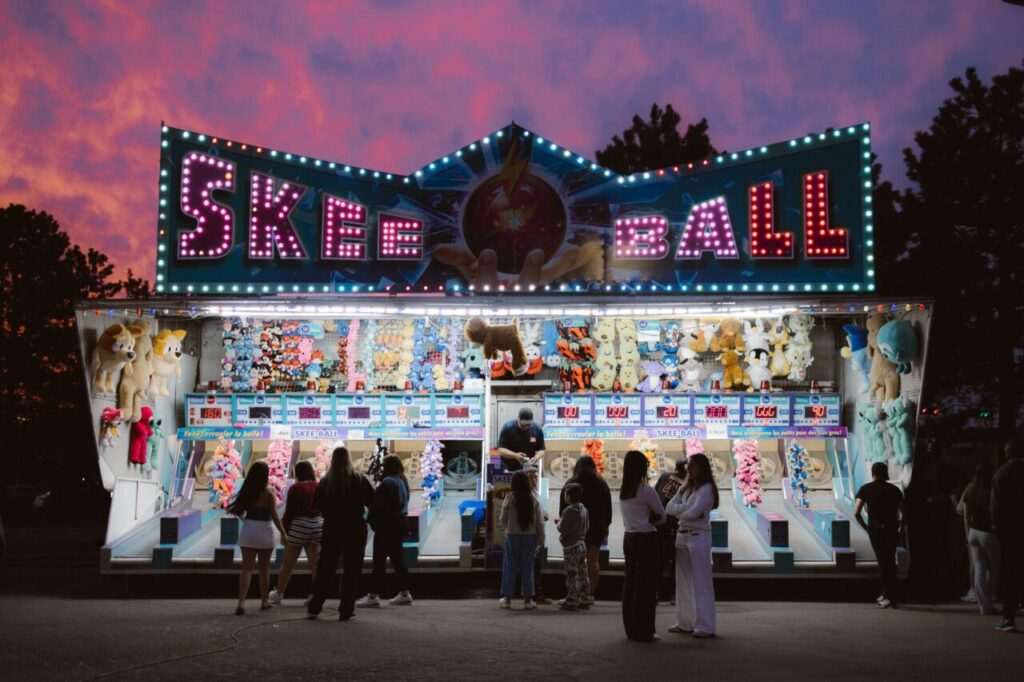
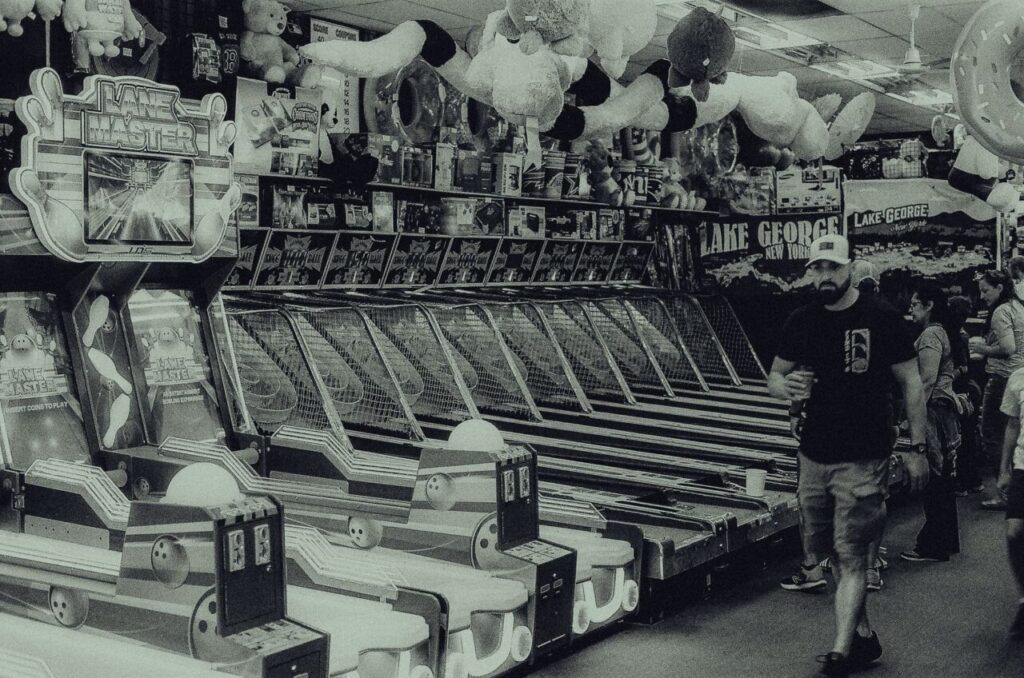
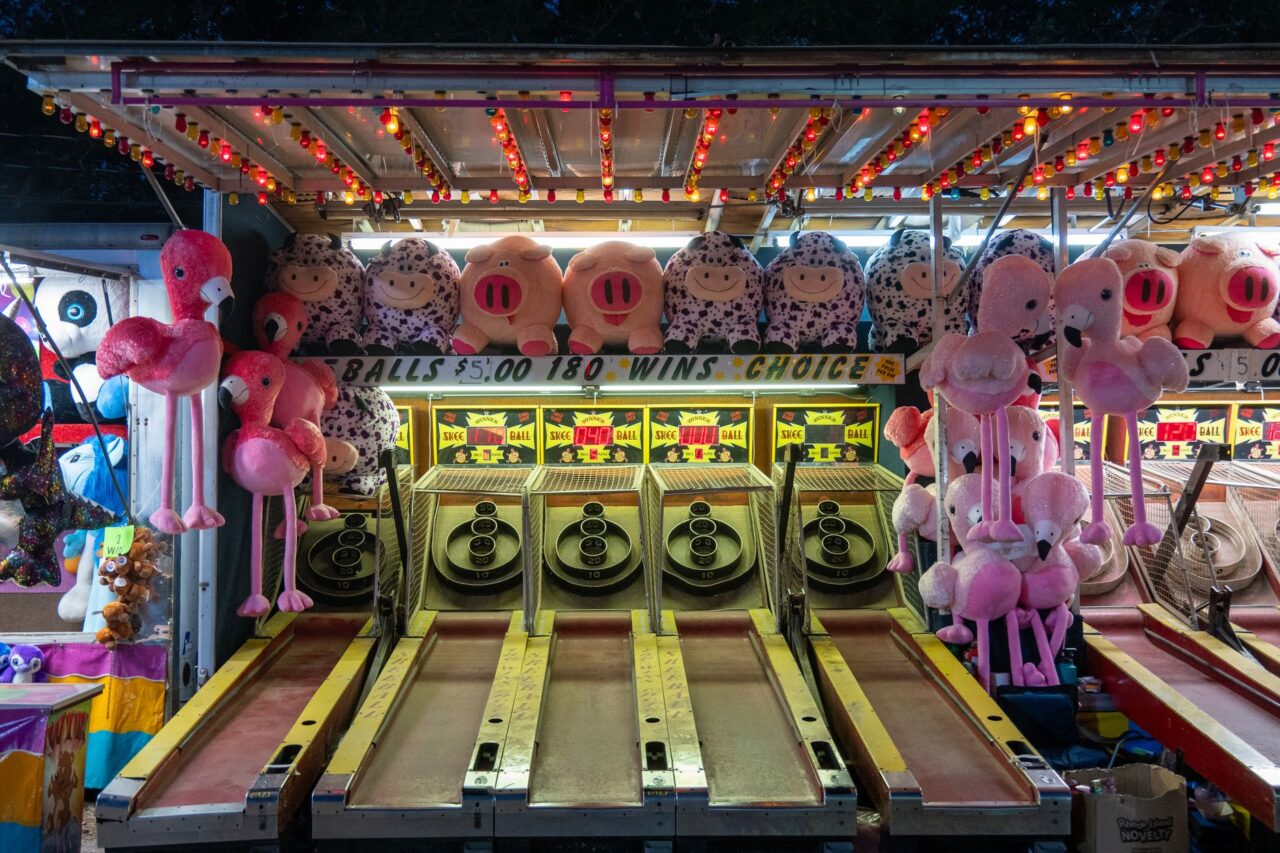
Skee ball machine rental in Singapore typically includes delivery, setup, breakdown and often an attendant for the event duration. Machines are usually hired singly or in banks of two to four for a mini arcade row. You need roughly 2 to 3 metres of depth per lane plus queue space, a standard 13A power point per machine, and flat, covered ground if the event is outdoors. Final cost depends on machine count, rental hours, delivery distance and whether you want a prize or leaderboard add-on, so get a fixed quote against your actual floor plan before you commit a date.
What a skee ball rental actually includes
A skee ball machine rental in Singapore is not just a box dropped at your door. A proper rental includes transport, assembly on site, a test run before guests arrive, breakdown at the end of the event, and for most corporate and public bookings, an attendant who manages the queue, resets balls between players and keeps score if you want a competitive format. Some agencies will let you hire a machine dry, meaning you collect it yourself and run it unattended, but for anything with foot traffic above a small private party, an attendant is the standard setup because the machine needs someone resetting balls constantly or the line backs up fast.
Skee ball sits in the same category as other arcade and carnival activation stations: claw machines, pinball, air hockey, giant Jenga. Agencies that supply this kind of equipment usually run it alongside live entertainment bookings such as dancers or cultural performances, so if you're building a full event program rather than a single station, it's worth asking what else is available under the same act type listing before you book separately with multiple vendors.
2. Where it fitsWhich events it suits
Skee ball works best where guests have downtime between the main program, not as the headline act itself. The common bookings are corporate family days, office year end parties, product launches and retail activations, school carnivals, condo or community events, and mall or atrium pop ups where foot traffic needs a reason to stop. It is also a frequent request for wedding after parties and reception lobbies, where couples want a nostalgic game station alongside a photo booth.
It is a weak fit for a formal dinner where guests are seated the whole night, or a venue with a strict noise and clutter policy near the main stage. If your event already has a packed run of show with live acts, position the skee ball station in a separate zone such as a foyer or breakout area rather than beside the stage, so it does not compete for attention during performances. For events that pair a game station with a cultural or dance segment, check the event type page for format ideas that combine both.
Machine sizes, formats and set lengths
Most suppliers offer skee ball in a single standard cabinet size, sometimes with a compact or tabletop version for smaller venues. Beyond size, the real decision is how many lanes and for how long you want the station running.
| Format | Typical use | Approx. footprint per unit | Attendant needed |
|---|---|---|---|
| Single machine | Small private party, home event, pop up corner | Roughly 2 to 2.5m deep, 1m wide, plus 1.5m queue space | Optional for low foot traffic |
| Two machine pair | Office party, wedding reception, retail activation | Double the single footprint side by side | Recommended |
| Bank of three or four | Corporate family day, mall activation, school carnival | Linear row, confirm total length with your floor plan | Yes, usually one to two attendants |
| Leaderboard or prize add on | Competitive activations, branded campaigns | No extra floor space, needs scoring setup time | Yes |
On set length, a typical activation window runs two to four continuous hours, which covers most cocktail receptions and family day timeslots. Full day bookings for school carnivals or mall activations are common and usually priced per day rather than per hour. If you only need the machine for a short 45 minute segment inside a longer event, say so when you enquire, because minimum rental blocks and manpower costs usually apply regardless of how long guests actually play.
Space, power and technical requirements
Three things decide whether a skee ball machine can go where you want it: floor, power and access. The floor needs to be flat and level, indoors or under solid cover outdoors. Grass, sand, uneven decking or a sloped lobby floor are the usual problems, because the machine's ball return mechanism depends on a level surface to work properly. For outdoor bookings, confirm a weatherproof canopy or marquee is part of the plan well before the date, not arranged on the morning of the event.
Power is a single standard wall socket per machine, generally a 13A point, which most Singapore venues can provide without issue. The exception is outdoor sites with no fixed power nearby, where you may need the venue or organiser to arrange an extension run or a generator, and that is a cost and a conversation to have early, not something to assume is included.
Access matters more than people expect. A skee ball cabinet is bulky and cannot always travel in a standard passenger lift. If your venue is on a high floor or has a loading bay with specific booking windows, flag that at enquiry stage so the delivery team can plan the right vehicle, trolley and time slot. Hotels and convention centres in particular often require loading dock bookings in advance, and missing that window is one of the most common causes of a delayed setup.
What drives the price
There is no single published rate for skee ball machine rental in Singapore because the final number moves with several variables at once. Rather than quote a figure that will not hold across every venue and date, here is what actually changes your quote, so you can read any rate sheet correctly.
| Factor | Effect on price |
|---|---|
| Number of machines | Price scales roughly per unit, with a small discount sometimes offered on a bank of three or more |
| Rental duration | Hourly blocks cost less in total than full day bookings, but full day often has a lower effective hourly rate |
| Attendant hours | Manpower is usually the single biggest line item after the machine itself, especially for events over four hours |
| Delivery distance and access | Central venues with lift access cost less to deliver to than outlying sites or venues needing loading bay bookings and extra manpower to carry in |
| Add ons | Leaderboard scoring, branded ticket rolls, prize redemption counters and custom skinning all add to the base rate |
| Weekend and public holiday dates | Peak dates can carry a premium, confirm this at the time you enquire |
The honest way to budget is to decide your machine count and hours first, then ask for a quote against your specific venue and date. Any supplier quoting a flat rate without asking about your floor, your access and your timing is guessing, and that guess tends to grow once the real site details come out.
How booking works
The process is straightforward if you have your venue and rough guest count confirmed. It usually runs like this:
- Enquiry: share your event date, venue, expected guest count and whether the space is indoor or outdoor.
- Site check: the agency reviews your floor plan or asks for photos to confirm floor, power and access are workable, or arranges a site visit for larger venues.
- Quote and format: you get a quote based on machine count, hours and attendant needs, with add ons priced separately.
- Confirmation: a deposit and signed agreement locks the date. Review the terms and conditions for cancellation and rescheduling policy before signing.
- Setup window: delivery and assembly typically happen one to two hours before doors open, with a test run before guests arrive.
- Live run: the attendant manages the station for the agreed hours.
- Breakdown: the machine is packed down and removed after the event, usually within the same booking window.
If you are coordinating skee ball alongside other acts for the same event, such as a cultural dance segment or a Bollywood dance performance, it is worth briefing both bookings together so the run of show and setup windows don't clash in the same load in slot.
The mistake that costs the most
Booking a machine without confirming floor and power at the actual venue is the single most expensive mistake. Guests arrive, the floor is uneven or there's no socket within reach of the cable, and the supplier needs to source an extension run or a flat board on the spot, sometimes at an extra charge, sometimes too late to fix at all. Send photos or a floor plan of the exact spot before you confirm, not after.
Frequently asked questions
How much does skee ball machine rental cost in Singapore?
There's no single fixed rate. Cost depends on how many machines you book, the rental duration, whether an attendant is included, delivery distance and any add ons like leaderboard scoring. Ask for a quote against your specific venue, guest count and date rather than relying on a generic rate card, since those factors move the price in both directions.
Do I need an attendant for a skee ball machine rental?
For any event with ongoing foot traffic, yes. An attendant resets balls between players, manages the queue and keeps the line moving, which matters because the game slows down fast without someone clearing it. For a small private party with light use, some suppliers allow unattended dry hire, but this is the exception rather than the standard setup.
Can a skee ball machine be set up outdoors?
Yes, but it needs a flat, level surface and weatherproof cover such as a marquee or canopy, since the ball return mechanism does not work well on grass, sand or uneven ground, and the unit is not built to sit exposed to rain. Confirm cover arrangements with your venue or event organiser before the booking, not on the day itself.
How much space does a skee ball lane need?
A single unit generally needs around 2 to 2.5 metres of depth and about 1 metre of width, plus roughly 1.5 metres of queue space in front. A bank of several machines needs that multiplied across the row, so always confirm total length against your actual floor plan before booking multiple units for a tight venue.
What power supply does a skee ball machine need?
Most machines run off a standard single wall socket, generally a 13A point, which the majority of indoor venues in Singapore can supply without issue. Outdoor sites without fixed power nearby may need an extension run or generator arranged by the venue or organiser, which should be confirmed and costed before the event date.
How far in advance should I book a skee ball machine rental?
Booking two to four weeks ahead is a reasonable window for most corporate and private events, giving time to confirm venue access, power and loading arrangements. Peak periods such as year end corporate season or popular wedding months can book out faster, so confirm availability as soon as your date and venue are fixed.
Can skee ball be combined with other entertainment at the same event?
Yes, it's commonly paired with live performances, photo booths or other arcade stations in a separate activation zone rather than beside the main stage. If you're booking multiple elements for one event, briefing them together helps the load in schedule, setup windows and run of show line up without clashing.
Ready to lock in your skee ball station?
Tell us your date, venue and guest count and we'll quote the setup that actually fits your floor plan.
Get a Free Quote