

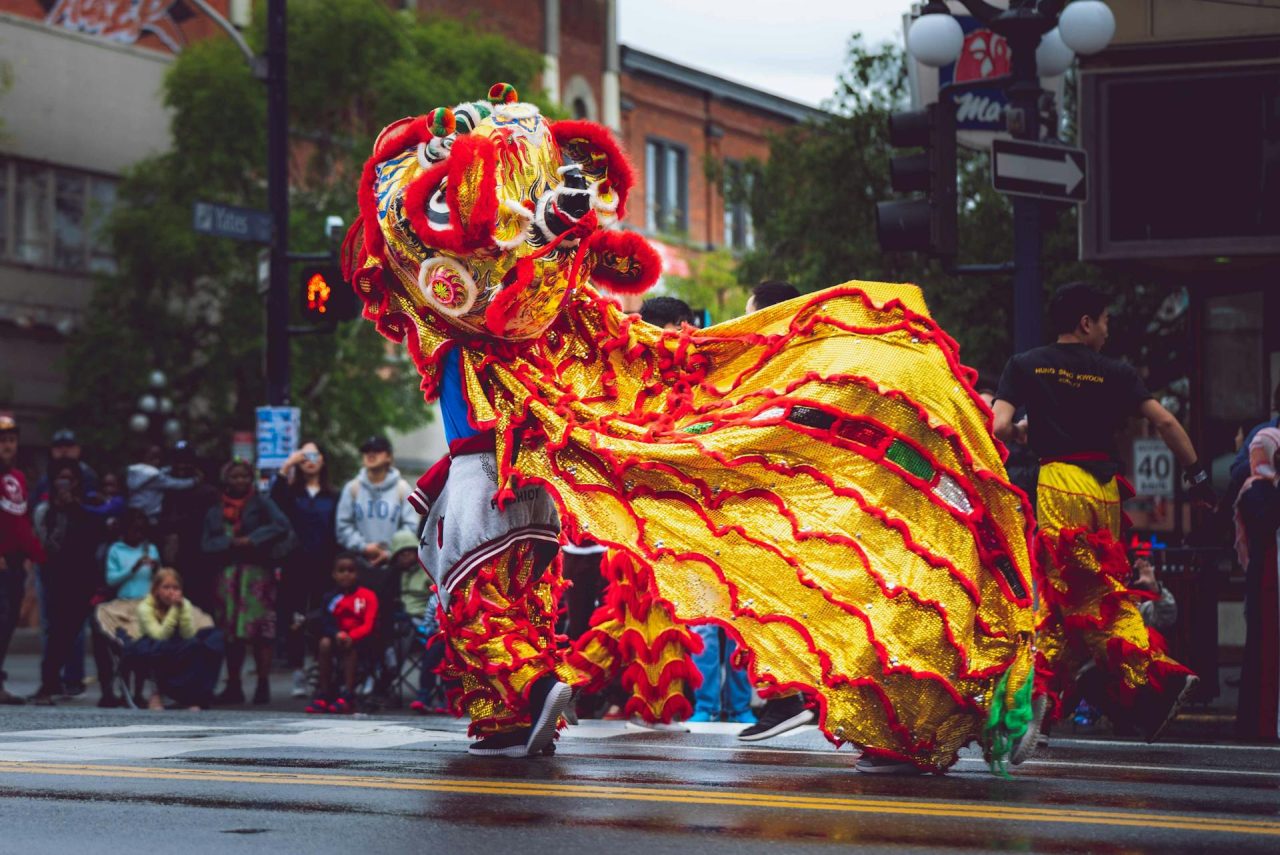
Lion Dance Meaning: Chinese Culture, Symbolism and Singapore Tradition
Why a dancing lion still opens shops, blesses weddings and drives out bad luck across Singapore.


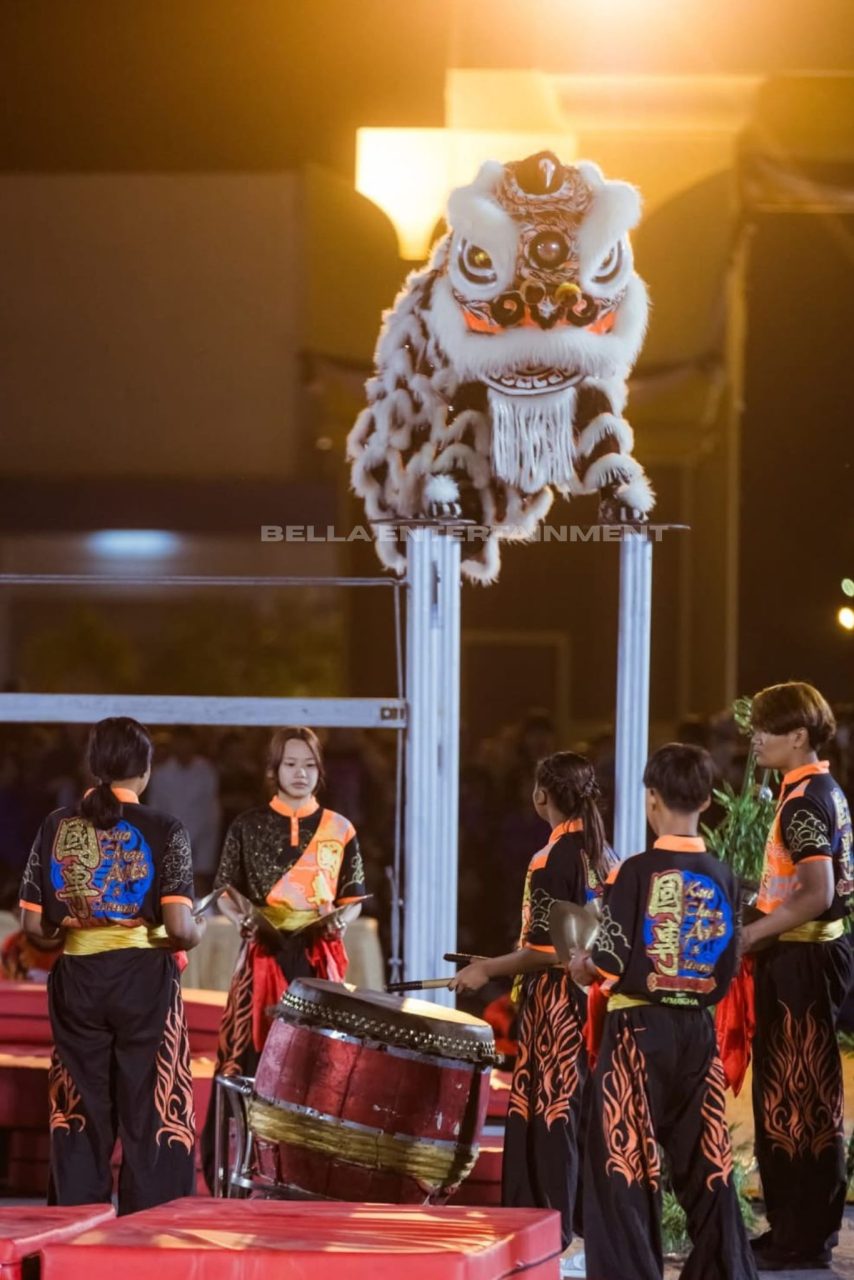
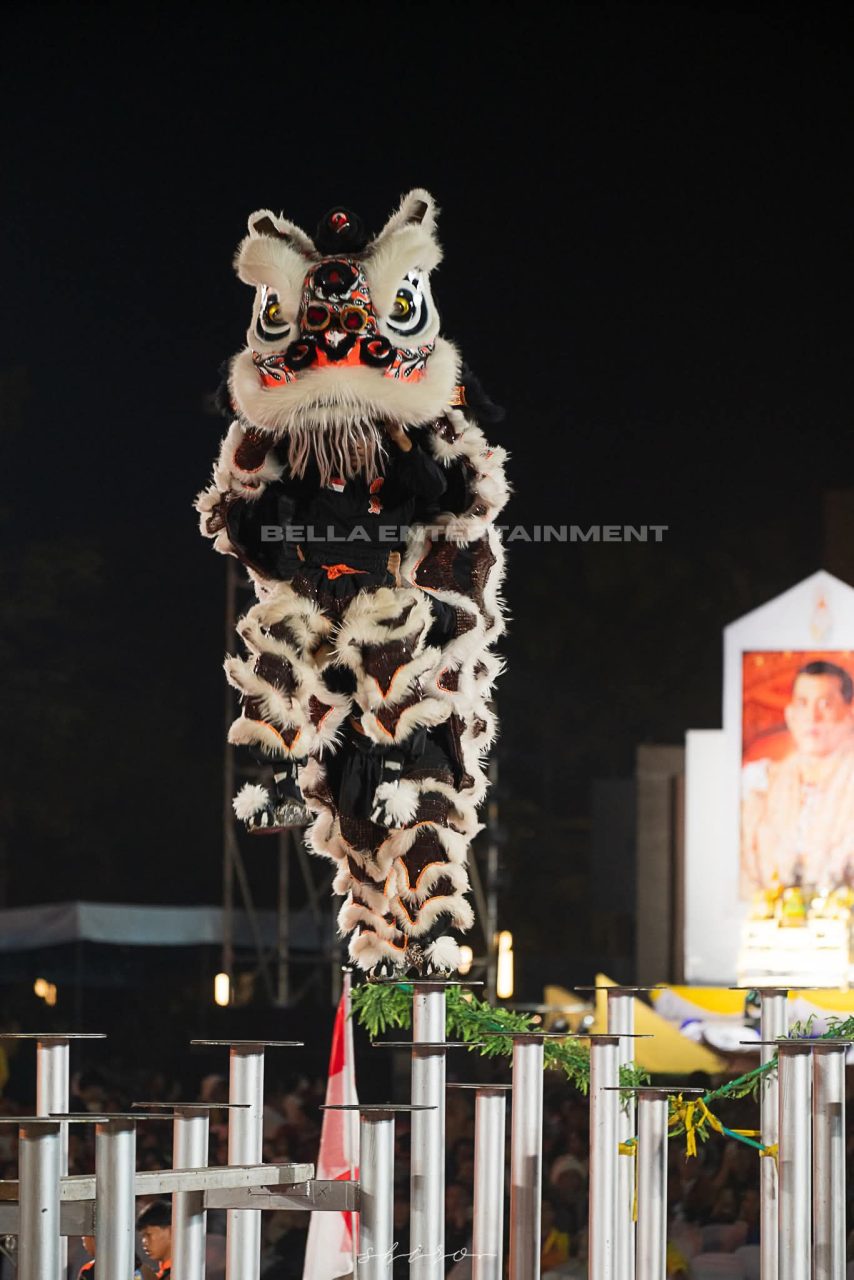
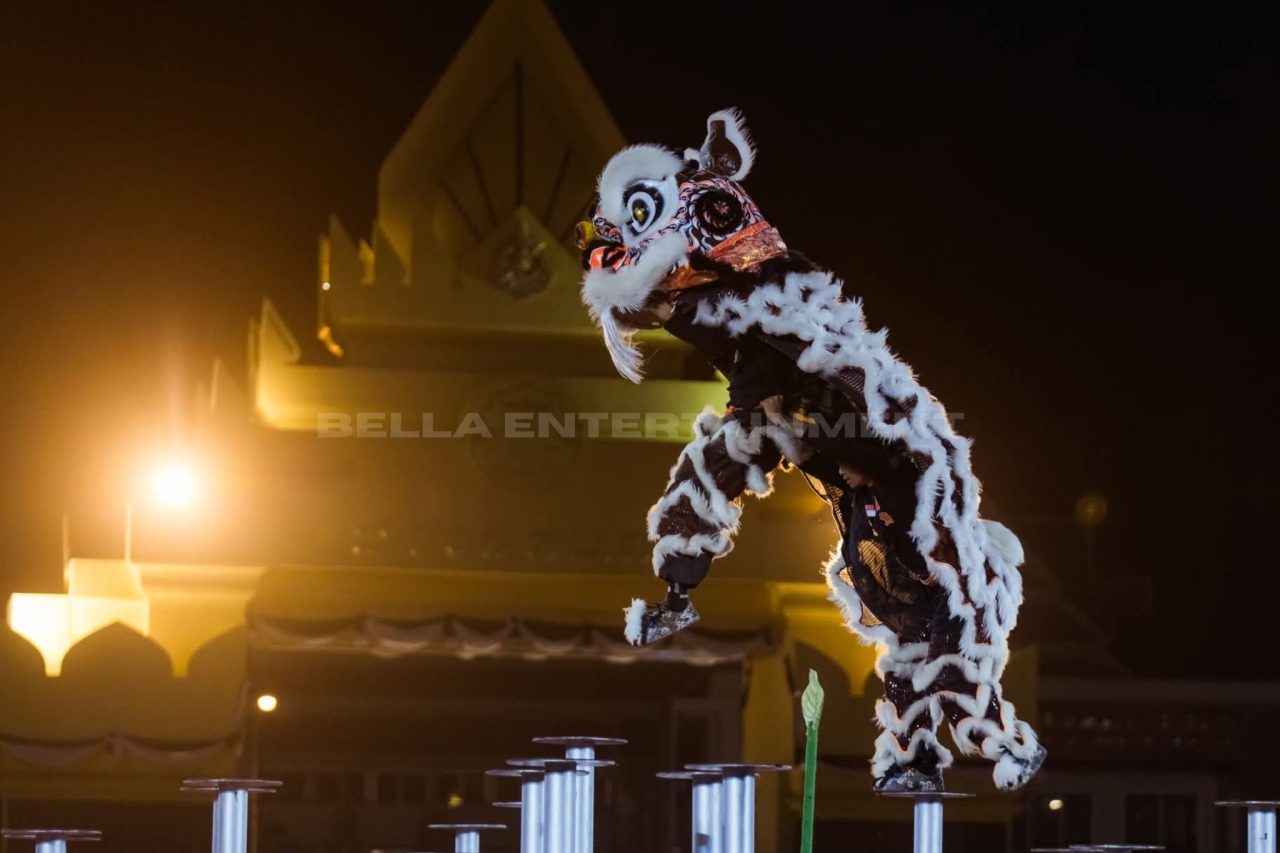
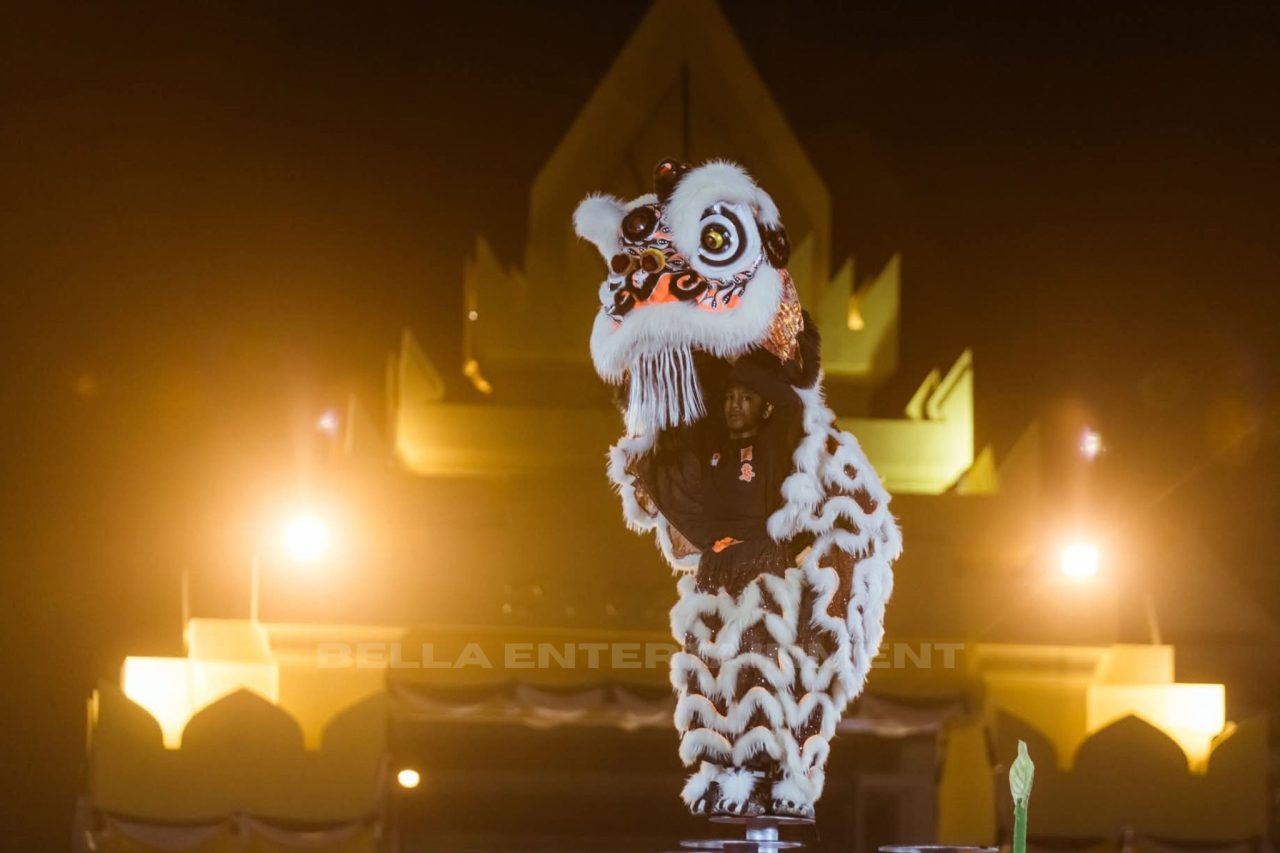
The lion dance meaning is rooted in an old Chinese belief that a mythical lion, called Nian in some legends, can scare away evil spirits and bring good luck, wealth and protection to a home or business. Performers in a lion costume mimic the animal's moods, playful, alert, fierce, timed to drums, cymbals and gongs. In Singapore it is booked for Chinese New Year, shop and office openings, weddings and product launches, usually as a 20 to 45 minute act from a licensed troupe.
- History of lion dance: Han dynasty to Tang dynasty
- Lion dance significance: what the lion actually represents
- Why is it called lion dance, and southern versus northern styles
- Lion dance symbolism: cai qing, colours and the eye-dotting ceremony
- Roles inside a troupe and what a Singapore performance looks like
- Taboos and etiquette for hosts
- Lion dance tradition in Singapore today, and prices
- FAQ
History of Lion Dance: Han Dynasty to Tang Dynasty
Most accounts trace the lion dance back more than a thousand years, with the earliest written references pointing to the Han dynasty period, roughly 206 BC to 220 AD. Lions were not native to China. The image arrived through trade contact along the Silk Road, and Chinese communities turned an animal most people had never seen into a guardian spirit, something powerful enough to keep danger away from a home or a village.
The performance grew into a fixture of court life during the Tang dynasty, between 618 and 907 AD, where it was staged at imperial celebrations and military events as a display of strength and authority. From there it spread through southern China with regional villages, temples and clan associations, each developing their own steps, drumbeats and lion faces. Chinese migration in the nineteenth and twentieth centuries carried the tradition to Singapore, Malaysia, Hong Kong and beyond, where it took on local character while keeping the same core purpose: chase off bad luck, invite good luck in.
A separate strand of folklore ties the dance to the Nian, a beast said to terrorise villages at the turn of the year until people discovered it feared loud noise, bright colour and fire. That story explains the drums, the red and gold costume and the firecrackers that still accompany performances at Chinese New Year. A different legend links the lion to the Buddha, who is said to have kept a lion as a companion, which is one reason the dance appears at temple events and religious openings as well as commercial ones.
Lion Dance Significance: What the Lion Actually Represents
Strip away the costume and drums and the lion dance significance comes down to three things: protection, prosperity and a clean start. The lion is treated as a guardian figure that clears bad energy from a space before something new begins, a shop opening, a marriage, a new financial year. That is why it is booked at the start of things rather than the end.
Every part of the performance carries a role. Playful, low movements show the lion at ease, representing happiness and abundance. Sudden fierce poses and loud roars represent the lion driving out misfortune. Acrobatic stunts, balancing on poles or leaping between platforms, show off the performers' skill and are read as the lion's vitality and courage, both qualities the host is meant to absorb for the year ahead.
Music is not background noise, it is structural. The drum is described as the lion's heartbeat and sets the tempo the whole troupe follows. Cymbals and gongs mark transitions, a roar, a bow, a strike toward the greens, and build the sense of celebration that a silent performance would lack entirely.
Why Is It Called Lion Dance, and Southern Versus Northern Styles
It is called lion dance simply because performers are dressed and choreographed to move like a lion, a creature that in Chinese belief carries the strength and majesty to guard against evil, rather than a literal record of lions living in China. The name is descriptive, not historical. The dance imitates the animal's temperament, not its natural behaviour.
There are two broad traditions. Northern lion dance uses a more realistic looking lion, often shown with a trainer character, and leans on acrobatics and martial technique, historically linked to imperial and military performance. Southern lion dance, the version almost always booked in Singapore, uses a more stylised lion with a large expressive head, mirrored panels and a prominent horn, and is built around the cai qing routine described below.
Within southern style, two schools dominate locally: Hok San, recognisable by a rounder head and softer, more comic expressions, and Fut San, with a sharper head shape and a more serious, martial bearing. Troupes in Singapore often train in both and choose the style to suit the event, Hok San for a family friendly mall opening, Fut San for a formal corporate stage.
Lion Dance Symbolism: Cai Qing, Colours and the Eye-Dotting Ceremony
The best known ritual inside a performance is cai qing, plucking the greens. A head of lettuce, sometimes with oranges and a red packet tucked inside, is hung or placed for the lion to find. The lion approaches cautiously, sniffs, retreats, builds tension, then "eats" the lettuce and spits the leaves back out, scattering them toward the host or the crowd. The scattering represents spreading wealth and good fortune back to everyone present. The orange, a word that sounds close to gold in Cantonese, reinforces the same message. The red packet is the troupe's fee for the ritual and is expected at almost every professional booking.
Colour is deliberate too. Gold represents wealth, red represents luck and joy, and black or dark tones on a lion's face are often paired with a specific character reading drawn from the story of three sworn brothers in Chinese opera, a tradition some troupes still reference when choosing a lion's face for a particular client.
A newly built lion head is not considered ready to perform until it goes through dotting the eyes, a short ceremony where a respected figure, sometimes a temple elder, a company director or a VIP guest, dabs red paint or ink onto the lion's eyes, tongue and horn to "wake it up" and bring it to life. Troupes in Singapore sometimes offer this as a small ceremony at a client's own grand opening, particularly if the business is commissioning a brand new lion head rather than renting one.
Roles Inside a Troupe and What a Singapore Performance Looks Like
A working troupe in Singapore usually runs 6 to 12 people. Two performers share each lion, one leading the head, one forming the body and tail, moving in tight coordination that takes months to train. A drummer sets the tempo throughout, with a cymbal player and a gong player layering in the accents. Larger bookings add a Big Head Buddha character, a grinning masked figure who leads the lion around, teases the crowd and adds comic relief between the more intense sections.
A standard performance runs 20 to 45 minutes depending on the package, covering an entrance, a greeting bow to the host or VIP, the cai qing routine, and a closing sequence. Corporate stages sometimes add a high pole or bench routine for visual impact, which needs extra rigging time and floor space, something to flag to your venue coordinator in advance if you are performing inside a hotel ballroom rather than an open plaza.
Troupes performing in public spaces in Singapore are required to be registered with the police under the Public Entertainment licensing rules, and a permit is generally needed for performances outside a private venue, such as void decks, malls or street frontages. A reputable agency handles this as part of the booking rather than leaving it to the client to sort out at the last minute.
Taboos and Etiquette for Hosts
A few points of etiquette matter more than people expect. Never step over the lion head or its tail once it is laid out before the performance, this is considered disrespectful. Hand the red packet directly to the lion's mouth rather than to a performer, since the lion is the one "receiving" the gift within the ritual. Avoid touching the lion's head casually, especially the eyes, unless you have been invited to take part in an eye-dotting ceremony.
Timing matters at Chinese New Year specifically. Many households and businesses avoid sweeping or throwing out rubbish on the day a lion dance is performed, on the belief this sweeps away the good luck just brought in. If you are hosting at an office or retail unit, it helps to brief your team on this beforehand so nobody undoes the ritual by tidying up mid-performance.
Lion Dance Tradition in Singapore Today, and Prices
The lion dance tradition in Singapore is kept alive through clan associations, martial arts schools, temple groups and commercial troupes, many of which train year round and compete in regional lion dance competitions on high poles. Demand spikes hard around Chinese New Year, when good troupes are booked weeks or even months in advance, alongside steady year round demand for shop openings, weddings and product launches at venues like Marina Bay Sands, Suntec, Resorts World Sentosa and hotel ballrooms across the island.
Pricing depends on troupe size, performance length, whether a Big Head Buddha or high pole act is added, and whether the date falls during the CNY peak. The ranges below are typical for this season and should be confirmed against your exact date and venue.
| Package | What is included | Typical price (SGD) |
|---|---|---|
| Standard single lion | 1 lion, drum, cymbal, gong, 15 to 20 min performance, cai qing | $688 to $1,200 |
| Double lion | 2 lions, full percussion team, 20 to 30 min, cai qing | $1,200 to $2,000 |
| Double lion with Big Head Buddha | 2 lions, Buddha character, percussion, 30 to 40 min | $1,600 to $2,500 |
| High pole or acrobatic act | Elevated pole set, rigging, 1 to 2 lions, higher skill troupe | $2,500 and up |
| CNY peak surcharge | Applies roughly the two weeks around Lunar New Year | +20% to +50% on base rate |
The most expensive mistake: booking too late for Chinese New Year
Good troupes are locked out weeks ahead of CNY, and last minute bookings often mean paying peak rates for a junior or unfamiliar team, or missing your preferred time slot entirely, since troupes route between multiple bookings across a single morning. If your event falls in the two weeks around Lunar New Year, confirm your troupe at least a month out.
For a full breakdown of packages, add-ons and how CNY dates affect pricing, see our lion dance troupe price list for Singapore. If you are planning a wider event with a live band, DJ or emcee alongside the lion dance, our event types we cover page and full list of acts and services cover the rest of the lineup.
To book, send us your event date, venue and expected headcount on WhatsApp at +65 9428 4249 and we will come back with a quote within a working day, including which troupe style suits your venue and whether a permit applies.
Frequently asked questions
What does the lion dance mean in Chinese culture?
In Chinese culture the lion dance means protection, prosperity and a clean start. The lion is treated as a guardian creature capable of driving away bad luck and evil spirits, so it is booked before something new begins, a wedding, a shop opening or the Lunar New Year, rather than as a closing act.
Why is it called lion dance if lions are not from China?
It is called lion dance because performers dress as and imitate the movements of a lion, an animal introduced into Chinese folklore through Silk Road trade contact rather than through direct experience with real lions. The name describes the costume and choreography, not a historical account of lions living in China.
What is the history of lion dance?
The history of lion dance traces to the Han dynasty, roughly 206 BC to 220 AD, with the performance gaining prominence at the imperial court during the Tang dynasty, 618 to 907 AD. It later spread through southern Chinese villages and clan associations before travelling with migrant communities to Singapore, Malaysia and beyond.
What is the difference between northern and southern lion dance?
Northern lion dance uses a more realistic lion costume with a trainer character and leans on martial acrobatics. Southern lion dance, the style used almost exclusively in Singapore, uses a stylised lion head with mirrored panels and a horn, built around the cai qing, or plucking the greens, ritual.
What is cai qing and why do lions eat lettuce?
Cai qing means plucking the greens. A lion dance troupe places lettuce, sometimes with oranges and a red packet, for the lion to approach, "eat" and spit back out toward the host or crowd. Scattering the leaves symbolises spreading wealth and good fortune, and the red packet is the troupe's fee for the ritual.
How long does a lion dance performance last?
A typical lion dance performance in Singapore runs 20 to 45 minutes, depending on package size. A standard single lion act with cai qing runs around 15 to 20 minutes, while a double lion performance with a Big Head Buddha character or a high pole act can run 30 to 40 minutes.
How much does it cost to hire a lion dance troupe in Singapore?
A standard single lion performance in Singapore typically costs SGD 688 to 1,200. Double lion performances run SGD 1,200 to 2,000, and double lion with a Big Head Buddha or high pole act can reach SGD 2,500 and up. Rates rise 20 to 50 percent during the Chinese New Year peak period.
Do lion dance troupes need a permit in Singapore?
Troupes performing in public spaces in Singapore, such as malls, void decks or street frontages, generally need to be registered with the police under Public Entertainment licensing rules, and a permit is typically required for the specific venue and date. Performances inside a private venue or hotel ballroom usually fall under the venue's own event licence instead.
Ready to book a lion dance troupe for your event?
Send us your date, venue and headcount and we will confirm a troupe and quote within a working day.
Get a Free Quote