Published 8 October 2026 · 9 min read · Bella Entertainment Singapore
SummaryVirtual events let you gather staff, clients or guests across several cities on one call, without venue hire, travel or catering costs. Singapore companies host them for town halls, product launches, Lunar New Year and Diwali celebrations, and year end parties when teams sit in offices across the region. A simple one host virtual event costs a few thousand dollars. A full show with performers, a studio and interactive segments can run to tens of thousands. The right choice comes down to audience size, budget, and whether you actually need people to interact or just to watch.
1. The real advantage
Why host virtual events
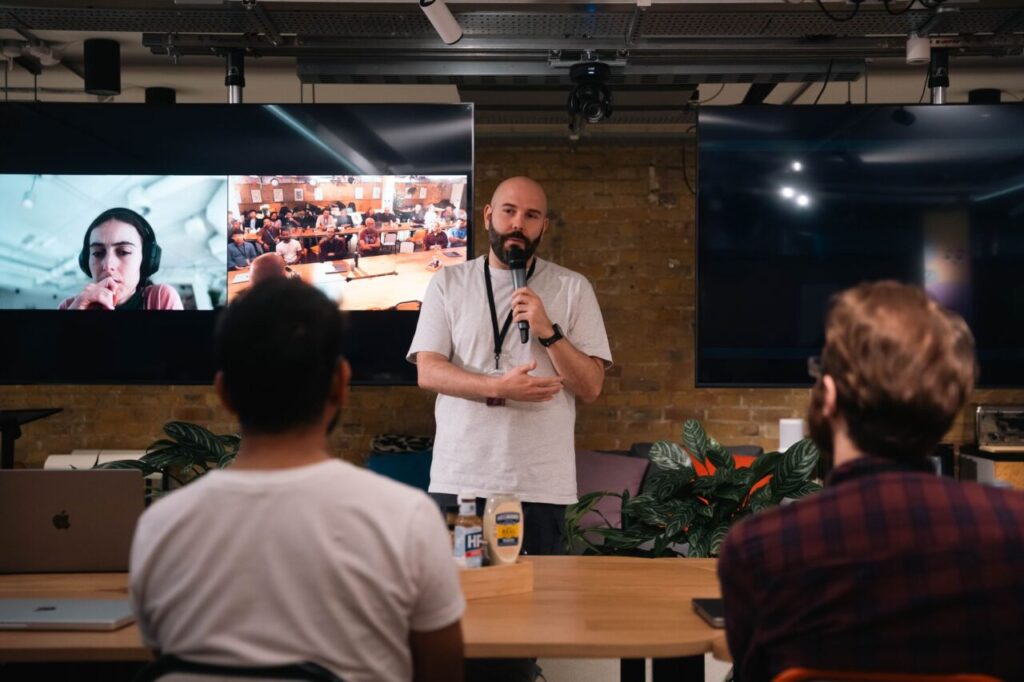
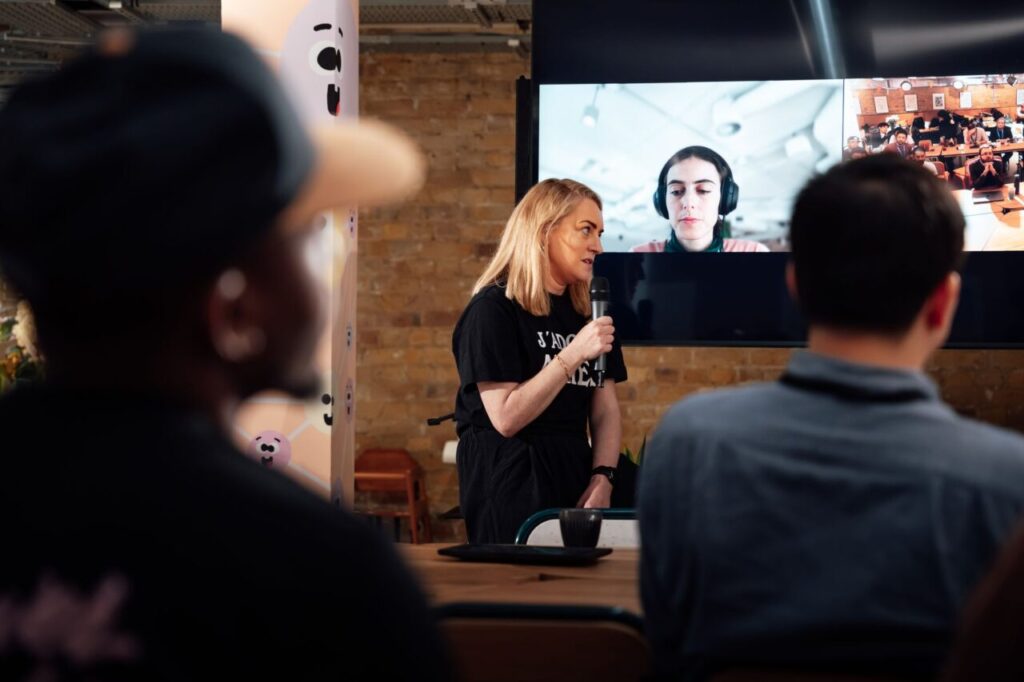
The main reason companies in Singapore still run virtual events, even now that travel is normal again, is reach for cost. A regional town hall with teams in Kuala Lumpur, Jakarta, Mumbai and Sydney costs almost the same whether 40 people log in or 400. There is no venue capacity limit, no flight budget, no hotel room block to negotiate. Everyone sees the same screen at the same time, which matters when the message has to land identically across offices.
The second reason is risk. A virtual event does not get cancelled because of a thunderstorm, a venue double booking, or a performer stuck in traffic on the CTE. Weather and logistics stop being variables you have to manage on the day. That alone is why many internal comms teams default to virtual for anything that is not primarily about networking or closing deals face to face.
There is a quieter third reason: recording value. A virtual event is already on tape. You can cut the keynote into onboarding material, clip the performance for your next pitch deck, or send the highlights to the regional office that had a public holiday that week. An in person event needs a separate videography budget to get the same output.
2. Picking the right format
None of the three formats is universally better. Each solves a different problem, and the mistake most companies make is picking the format that is fashionable rather than the one that fits the goal.
| Format | Best for | Attendee experience | Main cost driver |
|---|
| Virtual | Distributed teams, large or scattered audience, briefings and festive celebrations | Passive unless the agency builds in interaction | Production crew, platform, host and performer fees |
| Hybrid | Mixed audience: some in the room, some remote, award nights, launches with press | Strong for the room, variable for remote viewers | Venue plus streaming plus the production crew for both |
| In person | Networking, sales closing, trade shows, anything where the handshake matters | Highest engagement | Venue, food and beverage, logistics |
If the goal is a decision maker shaking a client's hand, go in person. If the goal is every employee in four countries hearing the same CEO message on the same Tuesday, virtual wins on cost and consistency every time.
3. The numbers
What a virtual event costs in Singapore
Pricing varies with duration, headcount of performers, whether you need a studio or a DIY office setup, and how much interactivity you want built in. As a general guide for the Singapore market, confirm exact figures with your agency once the brief is set.
| Production level | What it includes | Typical range (SGD) |
|---|
| Basic | Single host, pre recorded segments, Zoom or Teams webinar, no live crew | 2,000 to 5,000 |
| Mid tier | Live host plus one or two performers, multi camera setup, virtual backdrop, basic interaction | 6,000 to 15,000 |
| Premium | Multiple performers, studio hire, custom branding, interactive games, live polling, full crew | 15,000 to 40,000 and up |
Festive periods push prices up and shrink availability. Companies trying to book a virtual Diwali or Lunar New Year show in the two weeks before the date usually end up with a smaller pool of available performers and less rehearsal time, not a discount.
4. The failure points
What goes wrong with virtual events
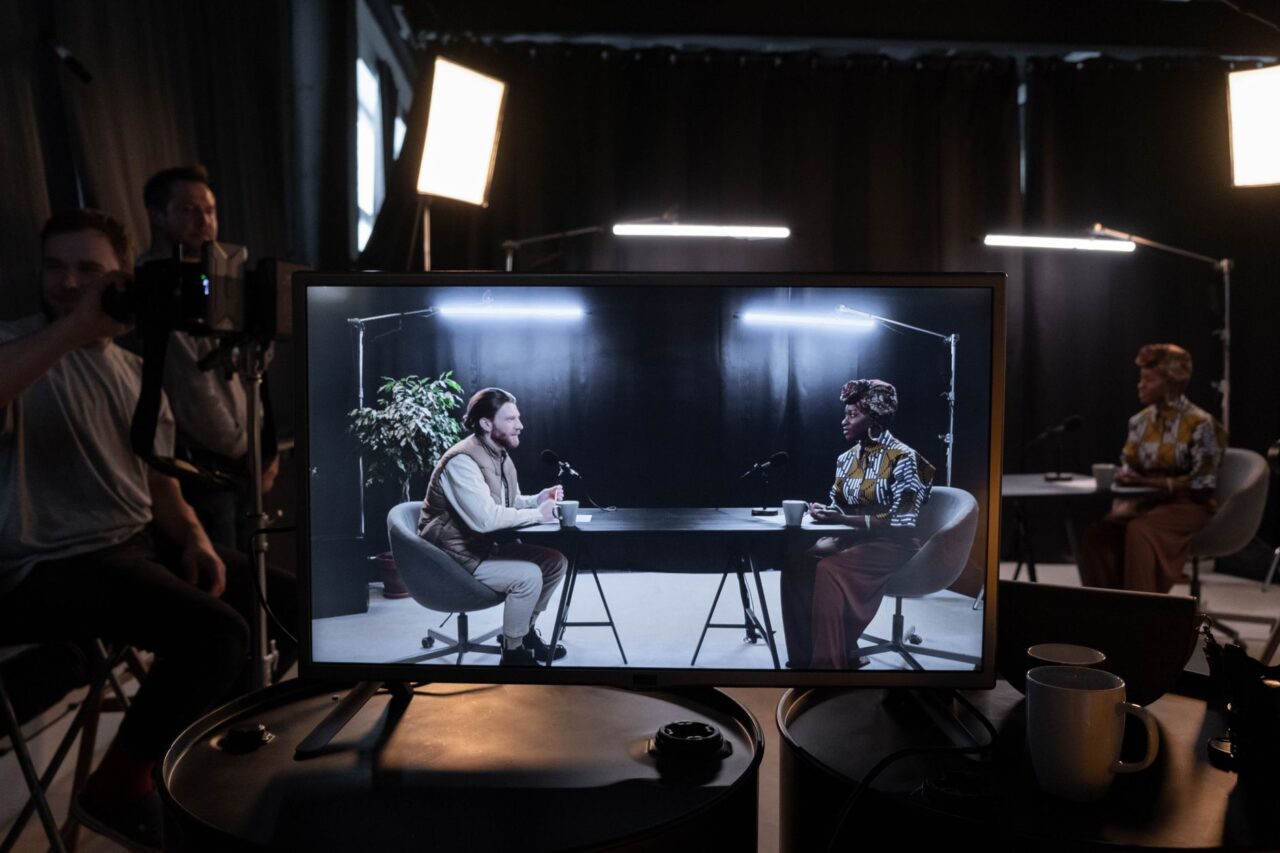
The three most common failures are not about the entertainment. They are about the infrastructure around it. A stream that drops mid show, a performer who looks flat because nobody coached them for camera, and a 90 minute run of show with no break, which is when attendee windows start closing in the background.
The costliest mistake: skipping the technical rehearsal
Companies that book a strong host and performer but skip a full dry run on the actual internet connection, platform, and devices that will be used on the day are the ones whose stream fails during the live segment. Unlike a physical event, there is no recovering the room once the feed drops. The budget is spent and the moment is gone. A proper tech rehearsal, run at least once on the real connection a day or two before, costs nothing extra and prevents the one failure that cannot be fixed live.
Two smaller but frequent issues: running the programme too long, and treating it like a normal webinar instead of a show. Attendee attention on a screen drops sharply after about 45 to 60 minutes without a change of pace. Build in a game, a poll, or a performance break every 15 to 20 minutes rather than one long speaker block.
5. Before you book
What to ask your agency before booking
- Has this performer or host done virtual work before, not just in person shows streamed as an afterthought?
- What is the backup plan if the primary internet connection drops mid event?
- Which platforms does the production team actually support: Zoom, Teams, a custom OBS stream, or all three?
- How many rehearsal slots are included, and is there a full dry run on the real connection?
- Who owns the recording afterwards, and can it be reused for internal training or marketing?
- Is there a bilingual or multilingual host available if the audience spans Singapore, Malaysia, Indonesia and India offices?
You can see the full range of acts and formats an agency typically offers on a page like act type, which is worth checking before you brief anyone, since not every act listed there translates to a screen the same way it does to a stage.
6. The screen test
Entertainment that actually works on a screen
Some acts translate well to camera and some do not, and this is where most of the disappointment in virtual events comes from. A solo host or emcee with camera experience, a magician doing close up tricks framed tight, an acoustic band set, or a quizmaster running a live game segment all hold attention through a laptop screen because the format is built for one camera and one face.
A large ensemble dance number loses most of its impact on a small screen unless the agency films it with multiple cameras and edits between angles, which adds cost and rehearsal time. If festive cultural performance is the centrepiece, for example a cultural dance segment for a virtual Diwali or Lunar New Year celebration, ask specifically how the agency plans to shoot it for camera rather than for a live room, because the choreography and framing need to be adjusted, not just streamed as is.
If you are planning a themed celebration rather than a corporate briefing, it is worth browsing event type first to see which formats the agency has already built virtual versions of, so you are not the first client testing a new format on your own budget.
7. Lead time
A realistic planning timeline
| Stage | When | What happens |
|---|
| Booking and brief | 4 to 6 weeks out | Confirm performer, host, platform and run of show |
| Script and segment plan | 2 to 3 weeks out | Scriptwriting, interactive segments mapped out, graphics locked |
| Rehearsal | 1 week out | Full run through, timing check, backup plan confirmed |
| Technical dry run | 1 to 2 days out | Full stream test on the actual connection and devices to be used |
| Event day | Day of | Final check 2 hours before go live |
Lead times stretch around Lunar New Year, Diwali, and the December festive season, when the same performers are booked across multiple clients. If your date falls in one of those windows, start the booking conversation a month earlier than you think you need to.