

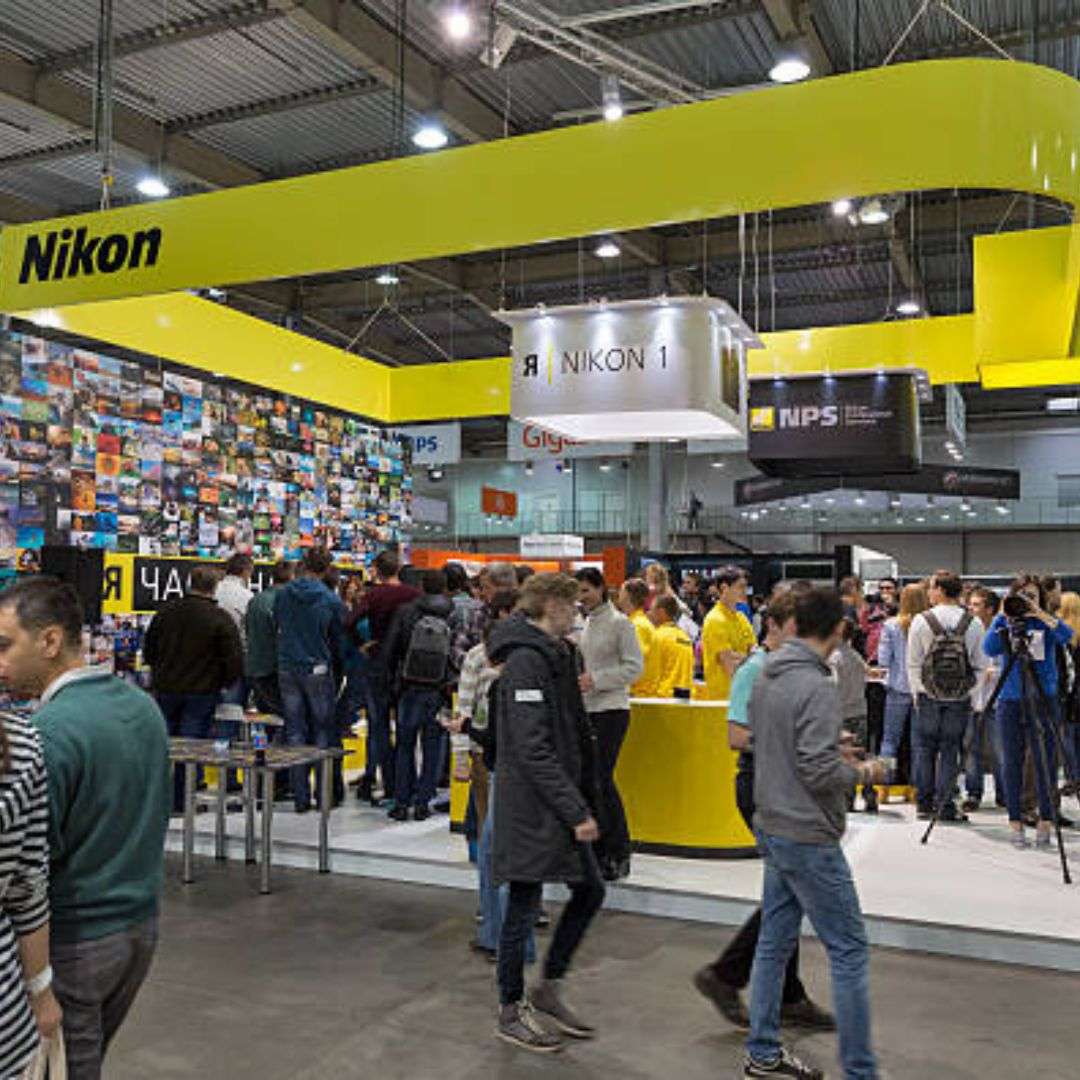
Exhibition Contractor Singapore: Booth Costs & Build Process
What a Singapore exhibition contractor actually charges, how long a build takes, and what separates a smooth install from a last-minute scramble at the loading bay.
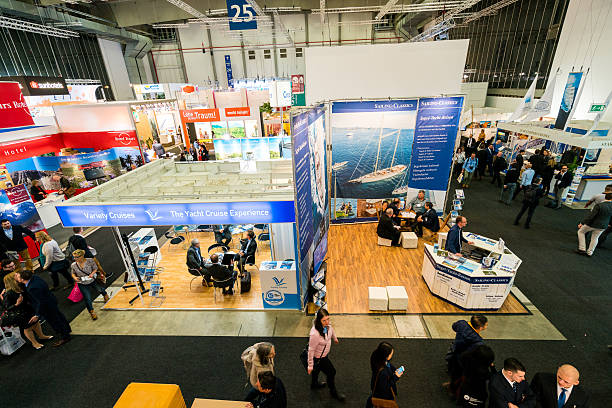
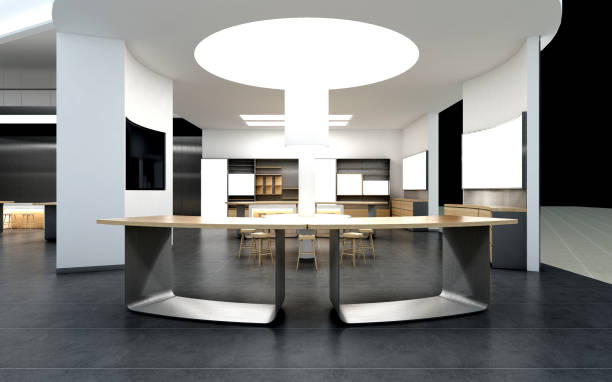
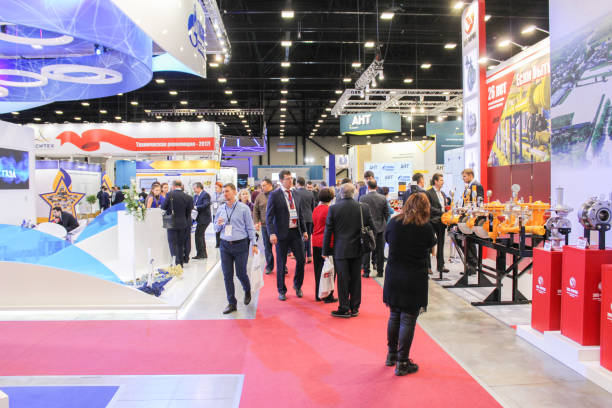
An exhibition contractor in Singapore designs, builds, transports, installs and dismantles your trade show stand, usually inside a shell scheme the organiser provides, or as a fully custom structure built from scratch. Costs run roughly SGD 150 to 800 per square metre for shell scheme upgrades and SGD 800 to 2,500 per square metre for custom builds, depending on materials, AV, and whether it is single-storey or double-decker. Most contractors need three to eight weeks lead time and handle venue liaison at halls like Singapore Expo, Suntec, and Marina Bay Sands.
- What an exhibition contractor in Singapore actually does
- Exhibition booth contractor Singapore price list
- Exhibition booth design and build: how the process runs
- Booth types and which one fits your budget
- Singapore venues and what each one requires
- Exhibition contractors: in-house build vs subcontracted
- What makes a good museum exhibition design and build contractor
- Choosing an exhibition booth contractor in Singapore
What an exhibition contractor in Singapore actually does
An exhibition contractor is not just a carpenter with a truck. The job covers design, structural fabrication, electrical and AV wiring, transport, on-site installation, live-show support, and same-night or next-day dismantling. In Singapore, this also means dealing with organiser rules, venue loading bay schedules, and fire safety sign-off before the hall opens to visitors.
Bella Entertainment has run booth builds and event production alongside our entertainment bookings since 2012, which means the same team that gets your emcee or lion dance troupe on stage can also get your booth structure up and wired. That matters when a launch event needs both a stand and a stage on the same show floor.
Full scope typically includes: 3D design concept, structural drawings for venue submission, carpentry and laminate finishing, graphics printing and mounting, lighting and power distribution, furniture and storage, on-site project management during build-up days, and removal once the show closes. Ask any quote to state clearly which of these are included and which are billed separately, because storage and disposal fees are where many quotes get vague.
Exhibition booth contractor Singapore price list
Exhibition booth contractor Singapore price depends mainly on three things: whether you are upgrading a shell scheme or building custom, the floor area, and how much AV and lighting you want. A basic 9 sqm shell scheme upgrade with a counter and some graphics can come in under SGD 3,000. A custom 18 sqm island booth with an LED wall, meeting room, and branded flooring can run past SGD 30,000. Confirm final numbers with your contractor, since material costs and hall labour rates shift by season and by how busy the venue calendar is.
| Booth type | Typical size | Price range (SGD) | Lead time |
|---|---|---|---|
| Shell scheme upgrade | 6 to 12 sqm | 150 to 400 per sqm | 2 to 3 weeks |
| Modular reusable booth | 9 to 24 sqm | 400 to 900 per sqm | 3 to 4 weeks |
| Custom-built booth | 12 to 36 sqm | 800 to 1,800 per sqm | 4 to 6 weeks |
| Double-decker structure | 20 sqm and up | 1,500 to 2,500 per sqm | 6 to 8 weeks |
| Island booth, premium finish | 30 sqm and up | 1,800 to 3,000 per sqm | 6 to 10 weeks |
These figures cover design, fabrication, delivery, install, and dismantle for a standard three to four day show. AV rental such as LED screens, sound systems, and lighting rigs is usually quoted separately, and typically adds SGD 1,000 to 8,000 depending on screen size and audio needs. Storage of booth components between shows, if you plan to reuse a modular build, is also a separate line item, usually charged monthly.
Exhibition booth design and build: how the process runs
Exhibition booth design and build in Singapore follows a fairly fixed sequence, mostly dictated by when the venue releases build-up access and when the organiser needs your floor plan submitted for approval.
- Consultation and brief: objectives, target visitors, floor plan position, budget ceiling. Corner lots and island lots cost more but pull more foot traffic.
- Design and 3D proposal: a concept render, material list, and revision round. Most contractors allow two rounds of changes before extra design fees apply.
- Venue and organiser submission: structural drawings often need sign-off for fire safety and rigging weight, especially for anything taller than 2.5 metres or with a suspended sign.
- Fabrication: panels, counters, and graphics are built off-site in the weeks before the show.
- Build-up: installation happens during the venue's assigned build days, usually one to three days before doors open, often overnight to avoid clashing with neighbouring booths.
- Show support: a technician on standby for lighting or AV faults during show hours.
- Tear-down: most halls require full dismantle and floor clearance within hours of the show closing, sometimes the same night.
The tightest point in this whole timeline is usually the structural drawing submission deadline, which some organisers set six to eight weeks before opening day. Miss it and your design gets simplified on the fly or rejected outright at the loading bay.
Booth types and which one fits your budget
Choosing the right booth type before you ask for quotes saves a lot of back and forth, because each type has a different cost curve and reuse value.
- Shell scheme upgrade: the organiser provides basic walls and fascia, you add counters, graphics, and lighting. Cheapest option, fastest to build, least distinctive.
- Modular booth: reusable frame system, reconfigurable for different floor sizes. Good value if you exhibit three or more times a year.
- Portable booth: pop-up backdrops and lightweight counters, good for small product launches or roadshow stops, not really suited to a full trade show presence.
- Custom-built booth: built from scratch to your design, one-time use unless stored and refreshed. Highest visual impact, highest cost.
- Double-decker booth: adds an upper floor for meeting rooms or VIP hosting. Needs early structural approval and usually its own engineer sign-off.
- Island booth: open on all four sides, best for large lots with heavy footfall, common at Singapore Expo hall centres.
Singapore venues and what each one requires
Singapore's exhibition circuit runs through a handful of venues, and each one has its own build-up rules, dock access, and height restrictions that a good exhibition contractor will already know before you ask.
| Venue | Typical booth restriction | Notes |
|---|---|---|
| Singapore Expo / MAX Atria | Height limits vary by hall, usually up to 6m in main halls | Large loading docks, common for double-decker and island builds |
| Suntec Singapore | Ceiling height and rigging weight capped per hall | Central location, frequent back-to-back show turnovers |
| Marina Bay Sands Expo and Convention Centre | Strict fire safety and carpet protection rules | Premium finish expected, often used for product launches |
| Resorts World Sentosa | Smaller footprint halls, tighter loading access | Better suited to modular or portable booths |
| Raffles City Convention Centre | Limited build height, no heavy rigging | Good for smaller corporate showcases, not large island lots |
We have built booths and run stage production at most of these halls, including Marina Bay Sands, Suntec, Resorts World Sentosa, and hotel ballrooms at Shangri-La and Fullerton for hybrid launch and exhibition events. Every venue has its own version of "the form you forgot to submit," and that is usually what causes a delay at the dock, not the booth itself.
The most expensive mistake exhibitors make
Confirming the booth design before confirming the floor plan position. Booth designs get finalised, fabrication starts, and then the organiser reassigns the lot to a corner or a different shape because of a late floor plan change. Rebuilding structural panels to fit a new footprint days before the show costs far more than the original design fee. Always get written confirmation of your exact lot number, dimensions, and neighbouring booth heights before fabrication begins, not just a rough floor plan sketch.
Exhibition contractors: in-house build vs subcontracted
Not every firm calling itself an exhibition contractor actually builds in-house. Some run strong design studios and then pass the carpentry, printing, and on-site labour to three different subcontractors. That is not automatically bad, but it adds a layer of handoffs, and handoffs are where blame shifting happens when a panel arrives late or a graphic prints the wrong colour.
Ask directly whether the carpentry team, the graphics team, and the site crew work for the same company or are separately engaged. A contractor who owns design through dismantle under one roof can usually fix a problem on site in minutes, because the decision maker is standing next to you, not three WhatsApp chats away.
If your show also needs stage talent, not just a structure, our act type and event type pages cover emcees, dancers, and performers who can work the booth as part of the same production, and a live band or activation can pull crowds past a neighbouring booth toward yours.
What makes a good museum exhibition design and build contractor
A museum exhibition design and build contractor in Singapore needs skills a trade show booth builder often does not have: archival-safe materials, lighting that protects artefacts from UV and heat damage, and fabrication that can sit in place for months or years rather than three or four show days.
Look for a contractor who can show past work with conservation-grade mounting, climate-aware material choices such as low-off-gassing paints and boards, and experience coordinating with curators on content panels, not just structural panels. Ask how they handle accessibility requirements and whether they have worked inside heritage buildings, where drilling, weight loading, and even adhesive types can be restricted by the building's own conservation rules. A contractor who only builds pop-up trade show stands will usually say yes to a museum brief and then learn these constraints on your project, which is the expensive way to find out.
Choosing an exhibition booth contractor in Singapore
Not every exhibition booth contractor in Singapore handles both design and on-site execution well. Some are strong on 3D renders but subcontract the actual carpentry and lose control of quality. Ask to see photos of a completed booth at the exact venue you are booking, not just a render, since materials and lighting look different under hall conditions than in a studio mockup.
Ask three things before signing: who is the single point of contact during build-up week, what happens if a panel arrives damaged, and whether dismantling and disposal are included in the quote or billed after the show. A contractor who answers all three clearly and quickly is usually the one who shows up on time at the loading bay.
If your event also needs a stage presence, we cover that too. Learn more about Bella Entertainment, browse our full list of entertainment acts for launch moments on the booth stage, and see our dinner and dance event planning page if your show floor also needs an evening programme. For product launches that combine a booth with a stage segment, our emcee rates guide is a useful next read if you are budgeting the full event, not just the structure.
Frequently asked questions
How much does an exhibition booth cost in Singapore?
A shell scheme upgrade typically costs SGD 150 to 400 per square metre. A fully custom booth runs SGD 800 to 1,800 per square metre, and double-decker or premium island builds can reach SGD 2,500 to 3,000 per square metre. Final cost depends on materials, AV inclusions, and floor lot position. Always confirm current rates with your contractor since material and labour costs shift with venue demand.
How far in advance should I book an exhibition booth contractor in Singapore?
Book three to eight weeks ahead. Shell scheme upgrades can be turned around in two to three weeks. Custom or double-decker builds need four to eight weeks because structural drawings often require organiser and venue sign-off before fabrication can start. Booking earlier also secures better floor lot options from the organiser.
What is the difference between a shell scheme and a custom booth?
A shell scheme is the basic wall and fascia structure the organiser provides as part of your booth fee, and most exhibitors add a counter, graphics, and lighting on top of it. A custom booth is built entirely from scratch to your own design, with its own structural approval, and costs considerably more per square metre, but gives full control over shape, materials, and branding.
What is the difference between a booth designer and a booth contractor?
A designer creates the look and the 3D drawings. A contractor builds it, gets it approved by the organiser, sets it up on site, fixes problems during the show and takes it down after. If you hire them separately, you carry the risk that the design does not fit the budget or the venue rules. A design and build contractor owns both steps under one quote.
What should you send for an accurate exhibition booth contractor quote?
Send the show name, venue, hall and booth number, your booth size and how many sides are open, and the build up and teardown dates from the organiser manual. Also list what you want on the stand, such as a meeting area, storage, counter, or screens, plus your logo files, brand colors and a rough budget range.
What makes a good museum exhibition design and build contractor in Singapore?
A good museum exhibition design and build contractor uses archival-safe, low-off-gassing materials, lighting that avoids UV and heat damage to artefacts, and fabrication built to last months or years rather than a few show days. They should have experience coordinating with curators, handling accessibility requirements, and working inside heritage buildings where drilling, weight loading and adhesives are often restricted.
How do you get more visitors to the booth?
A good build is only half the job. Plan one reason for people to stop, such as a game, a live demo, a photo moment or a performer, and staff the booth with people who greet visitors and collect leads. Pairing the structure with live entertainment, such as dancers or an emcee-led activation, consistently pulls more foot traffic than the structure alone.
Need a booth and a stage programme for the same show?
Send your show name, booth size and dates on WhatsApp and get a first proposal the same day.
Get a Free Quote