

DIY Workshops for Corporate Events in Singapore
A hands-on session that gets a room of colleagues talking, making something with their hands, and taking it home at the end of the day.
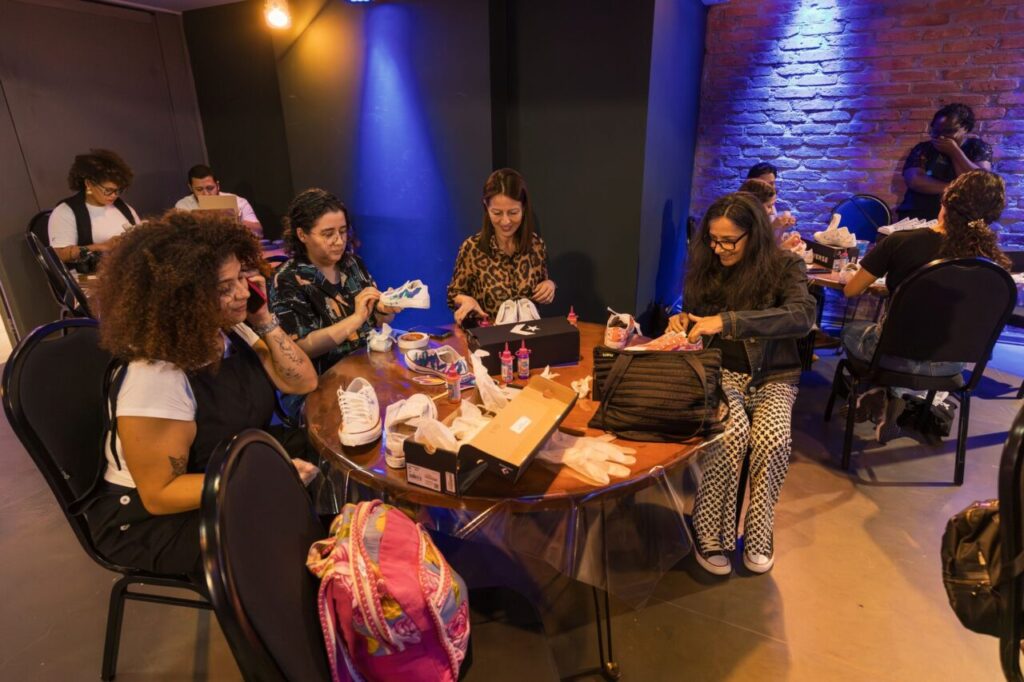
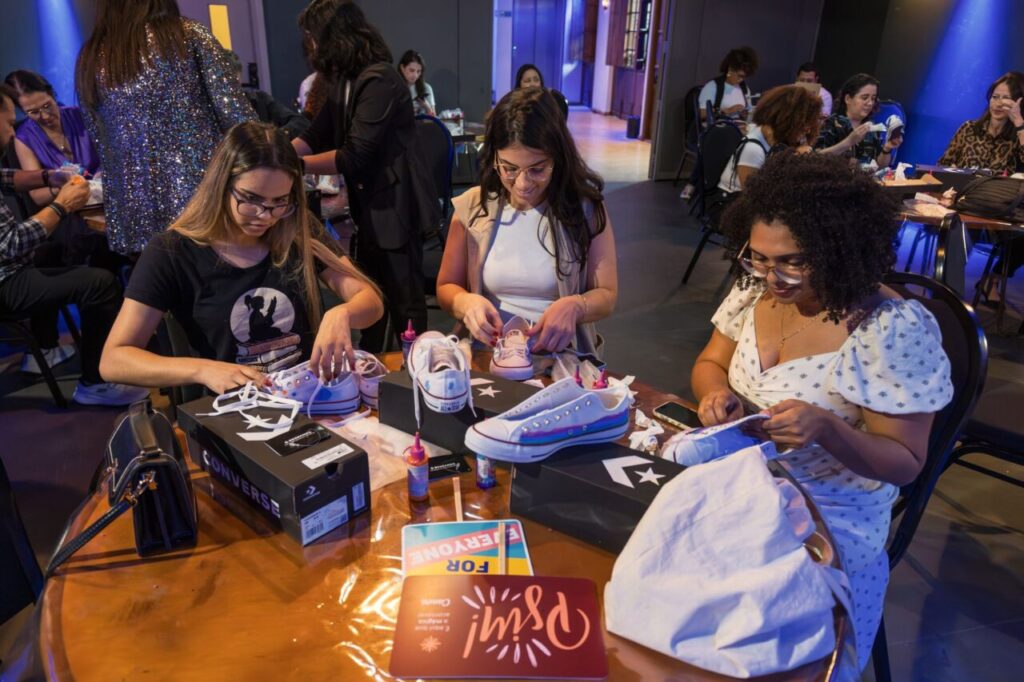
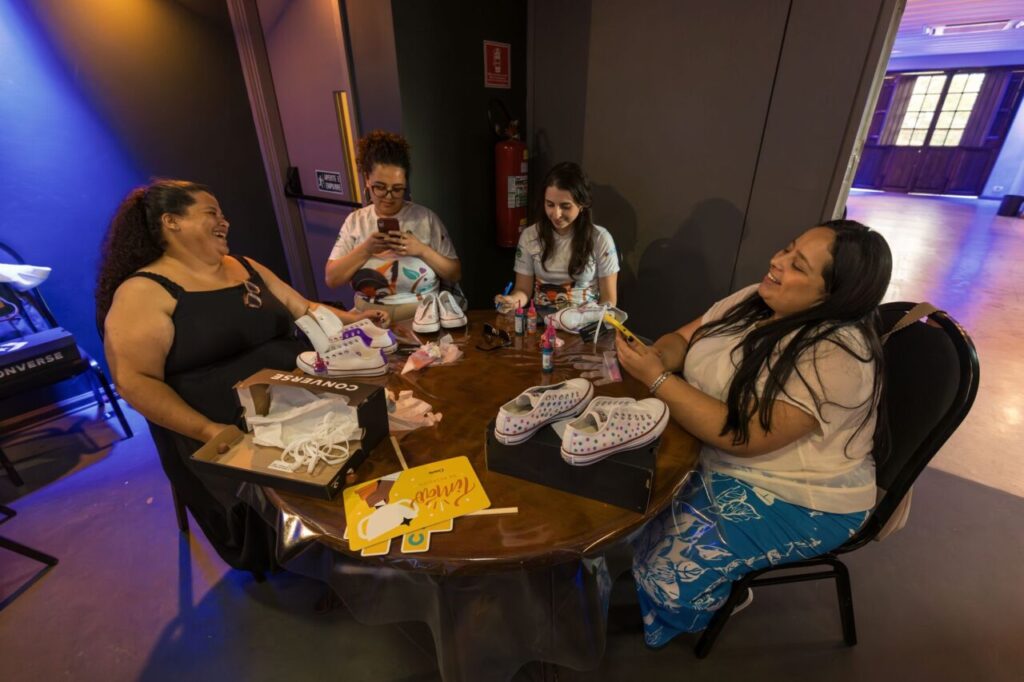
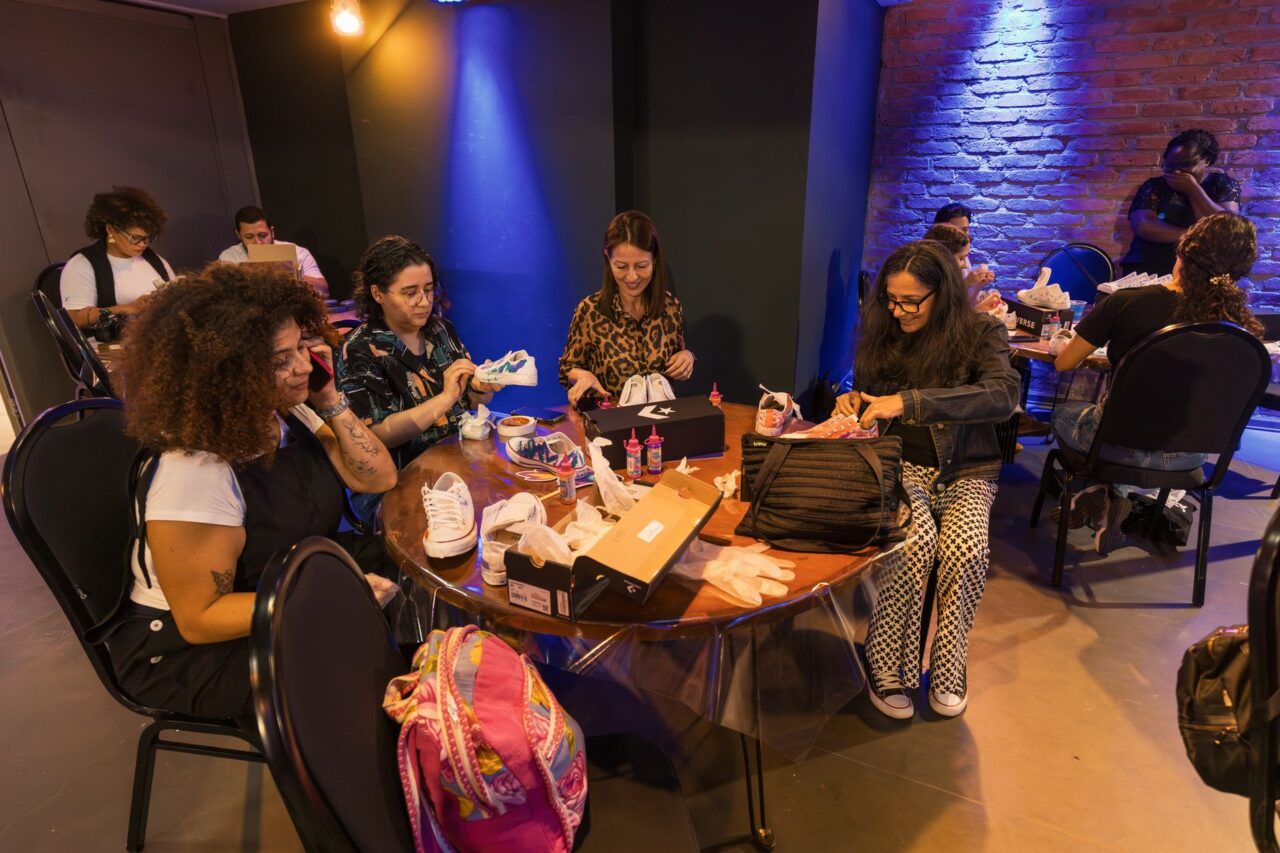
DIY workshops for corporate events in Singapore are facilitated, hands-on sessions, terrarium building, candle pouring, perfume blending, mocktail mixing and similar formats, run at your office, a hotel function room or an external venue. A facilitator brings materials, runs the demo and manages the room while your team works in pairs or small groups. Sessions usually run 45 to 90 minutes and suit groups from around 15 up to several hundred split across stations. Cost depends on materials, group size and whether items are branded, so always confirm the final quote against your exact headcount and venue.
- What a DIY workshop for a corporate event actually is
- Popular DIY workshop formats for Singapore offices
- Group size, duration and how sessions are split
- Space, power and tables the venue needs to provide
- What drives the price of a corporate DIY workshop
- How booking a DIY workshop works
- The costliest mistake to avoid
- Pairing a workshop with a performance act
- Frequently asked questions
What a DIY workshop for a corporate event actually is
A DIY workshop is a facilitated session where small groups of colleagues make something physical, a terrarium, a scented candle, a mocktail, a personalised keychain, under the guidance of someone who runs the whole thing start to finish. It is not a lecture and it is not a free-for-all craft table. A good facilitator demonstrates the steps, keeps time, moves between tables answering questions, and makes sure the slowest person in the room still finishes with a result they are happy with.
For corporate events in Singapore, these sessions get booked for three reasons. Teams want something that is not another trivia round or escort-style tour. HR wants an activity that works for a mixed group, different ages, different physical ability, different comfort with being the centre of attention. And event organisers want an activity that fills a defined block of time with a clear, visible outcome, people leave holding the thing they made.
2. FormatsPopular DIY workshop formats for Singapore offices
The format you pick should match the energy you want in the room. A perfume or cologne blending session is quiet and personal, suited to a wind-down segment or a smaller leadership offsite. A mocktail or cocktail mixing class is loud and social, better placed near the start of an evening event when people are still warming up to each other. Here is how the common formats compare.
| Workshop format | Typical duration | Energy level | Best suited to |
|---|---|---|---|
| Terrarium or plant potting | 45 to 60 min | Low, focused | Office team bonding, wellness days |
| Candle pouring | 45 to 75 min | Low to medium | Appreciation events, year-end parties |
| Perfume or reed diffuser blending | 45 to 60 min | Low, personal | Smaller groups, leadership retreats |
| Mocktail or cocktail mixing | 60 to 90 min | High, social | Evening events, networking sessions |
| Chocolate or cookie decorating | 45 to 75 min | Medium | Family days, mixed-age groups |
| Tote bag or canvas painting | 60 to 90 min | Medium, creative | CSR days, brand merchandising tie-ins |
Durations above are typical ranges, not fixed. A facilitator can run a shorter express version or stretch a session with an added decorating round, and the right choice depends on your overall event run of show. If you are not sure which format fits your agenda, it is worth mapping it against the rest of the programme on our event type page before you commit to one.
Group size, duration and how sessions are split
Most corporate DIY workshops in Singapore are built around tables of 6 to 10 people, with one facilitator able to comfortably run a room of around 15 to 40 participants at a time. Past that, agencies typically bring a second facilitator or split the group into back-to-back sessions rather than cramming more people around fewer tables, because the quality of individual attention drops fast once a single facilitator is stretched across more than four or five tables.
For large events, from around 100 up to several hundred attendees, the usual approach is rotating stations. Instead of one workshop for everyone, you run two or three different formats side by side, and groups rotate through on a timed schedule. This works well at conferences and roadshows where the workshop is one of several activity zones rather than the only thing happening.
A realistic planning rule: budget 10 to 15 minutes for setup and demo instruction before hands-on time starts, and another 10 minutes at the end for packing, photos and cleanup. A 60-minute workshop slot on your agenda usually means 35 to 40 minutes of actual making time once you account for this.
4. LogisticsSpace, power and tables the venue needs to provide
The room makes or breaks a workshop more often than the activity itself does. Most formats need flat tables, not cocktail standing tables, with enough surface area per person to lay out materials without them touching the next person's work. As a rough guide, allow at least 60 to 80 centimetres of table edge per participant, more for anything involving liquids or heat.
- Power: candle pouring and some chocolate work need access to power points for warmers or melting equipment. Confirm socket locations and whether an extension lead is needed before the day.
- Water: formats with mixing or clean-up, cocktail and some paint based sessions, benefit from a nearby sink or at least a water supply point for jugs.
- Floor protection: wax, paint and dye based workshops need table coverings and sometimes floor sheeting, particularly in carpeted hotel ballrooms where staining is a real cost risk.
- Ventilation: perfume blending and some candle work involve scent that lingers. A room with usable air conditioning or ventilation is worth checking in advance, especially for back-to-back sessions in the same space.
- Load-in access: materials usually arrive in boxes and sometimes on trolleys. If your venue is on a high floor with a single service lift, flag this early so delivery timing can account for it.
None of this is complicated, but it has to be confirmed with the venue before the quote is finalised, not discovered on the morning of the event.
What drives the price of a corporate DIY workshop
There is no single rate for a corporate DIY workshop because the materials cost varies so much between formats, a terrarium kit with a glass vessel and succulents costs differently to a single scented candle mould. What stays consistent is the list of factors that move the price up or down, and it is worth asking about each one when you request a quote.
| Factor | How it affects the price |
|---|---|
| Workshop format | Material cost per head varies by what is being made, glassware and fresh plants cost more than paper and paint |
| Group size | Per-head cost usually drops with volume, but a second facilitator gets added past a certain headcount |
| Branding or customisation | Adding a company logo to kits, labels or takeaway packaging adds setup and production time |
| Venue location | Delivery and facilitator travel outside the central area is usually charged separately |
| Session length | Extended sessions with extra decorating rounds or a second item cost more than an express version |
| Number of sessions | Running the same workshop twice for different shifts costs less per session than two separate formats |
Ask your agency for an itemised quote rather than a flat per-head number. It should break out materials, facilitator fees, delivery and any branding separately, so you can see exactly what changes if you cut the headcount or drop the branded packaging.
6. ProcessHow booking a DIY workshop works
The process is straightforward but there is a sequence worth following so you are not re-quoted twice. First, confirm your date, venue and rough headcount. Second, pick a format, or ask for two or three options matched to your event's energy and budget. Third, share venue details, power, water, table setup and lift access, so the facilitator can plan materials and timing accurately. Fourth, confirm the final quote in writing and lock the booking with a deposit if that is the agency's standard process.
Lead time matters more than people expect. For a standard format with no branding, a couple of weeks is often enough. For anything customised, logo printing on kits, a custom scent blend list, or packaging in company colours, give at least three to four weeks so production has room to run without rush charges. Confirm exact lead times with whichever agency you book, since this varies by supplier and by how busy the calendar is around that date.
The costliest mistake to avoid
Booking a headcount without confirming the room
The single most expensive mistake is confirming a workshop for, say, 80 people without checking that the venue actually has enough table surface, power points and floor protection for that format. On the day, this shows up as a session that has to be split into shifts nobody planned for, tables so crowded that people cannot work properly, or last-minute protective sheeting bought at a markup because carpet staining was never considered. Always confirm the room layout and technical access before the final headcount is locked, not after.
Pairing a workshop with a performance act
A DIY workshop works well as one segment of a longer event rather than the entire programme, and a lot of our corporate clients pair a quiet hands-on session earlier in the day with a higher energy act once the workshop wraps up. A cultural performance or a set from our act type line-up gives the event a clear change of pace, and it means the room is not asked to sustain the same low-key energy for the whole afternoon.
If your event has a cultural or celebratory theme, for example a festival tie-in or a multicultural appreciation day, a workshop segment sits naturally alongside dancers booked for the same event, run as two distinct blocks on the same agenda rather than overlapping. Ask your agency to plan the transition time between the two so neither segment runs over.
Frequently asked questions
What is a DIY workshop for a corporate event?
It is a facilitated, hands-on session where small groups of colleagues make a physical item, a terrarium, a candle, a mocktail or similar, under the guidance of a facilitator who runs the demo, manages timing and supports each table. Materials, instruction and setup are usually included, and participants take their finished item home at the end.
How much do corporate DIY workshops cost in Singapore?
Cost varies by format, group size, venue location and whether items are branded, so there is no single fixed rate. Material-heavy formats such as terrariums or perfume blending typically cost more per head than simpler formats such as cookie or canvas decorating. Always request an itemised quote based on your exact headcount and venue rather than relying on a generic rate.
How many people can join a single workshop session?
A single facilitator comfortably runs a room of around 15 to 40 participants seated at tables of 6 to 10. Larger groups are usually split into rotating stations with two or three formats running side by side, or into back-to-back sessions with the same facilitator, rather than overcrowding one room.
How long does a typical corporate DIY workshop last?
Most sessions run 45 to 90 minutes depending on the format, with 10 to 15 minutes at the start for setup and demonstration and roughly 10 minutes at the end for packing and photos. Mocktail or cocktail mixing tends to run longer, while terrarium and candle sessions are usually on the shorter end.
What space and equipment does the venue need to provide?
Flat tables with enough surface per person, power points for formats involving heat or warmers, nearby water access for clean-up heavy sessions, and floor or table protection for anything involving wax, paint or dye. Confirm these details with the venue before finalising your workshop headcount, since cramped or unsuitable rooms are the most common cause of on-the-day problems.
Can workshops be customised with company branding?
Yes, kits, labels and takeaway packaging can usually be printed or stickered with a company logo or event name. This adds production time, so it needs to be confirmed well before the event date, generally three to four weeks ahead rather than the two weeks that is often enough for a standard, unbranded format.
How far in advance should we book a DIY workshop?
A couple of weeks is often enough for a standard format with no customisation. Anything involving branded materials, custom scent blends or printed packaging needs more lead time, typically three to four weeks, to avoid rush charges. Exact lead times vary by supplier and by how busy the calendar is around your date, so confirm directly when you request a quote.
Can a DIY workshop be combined with a performance act at the same event?
Yes, this is a common structure. A quieter workshop segment is run earlier in the programme, followed by a higher energy performance once the workshop wraps up, giving the event a clear change of pace rather than one flat energy level throughout. The two segments are planned as separate agenda blocks with a confirmed transition time between them.
Plan your workshop segment properly
Tell us your headcount, venue and date and we will put together a workshop and format that actually fits the room.
Get a Free Quote