


Wedding Live Band Singapore: Cost and Booking Guide
What a wedding live band actually costs in Singapore, from solo acoustic to a full ten-piece, and how to book one without the usual surprises.


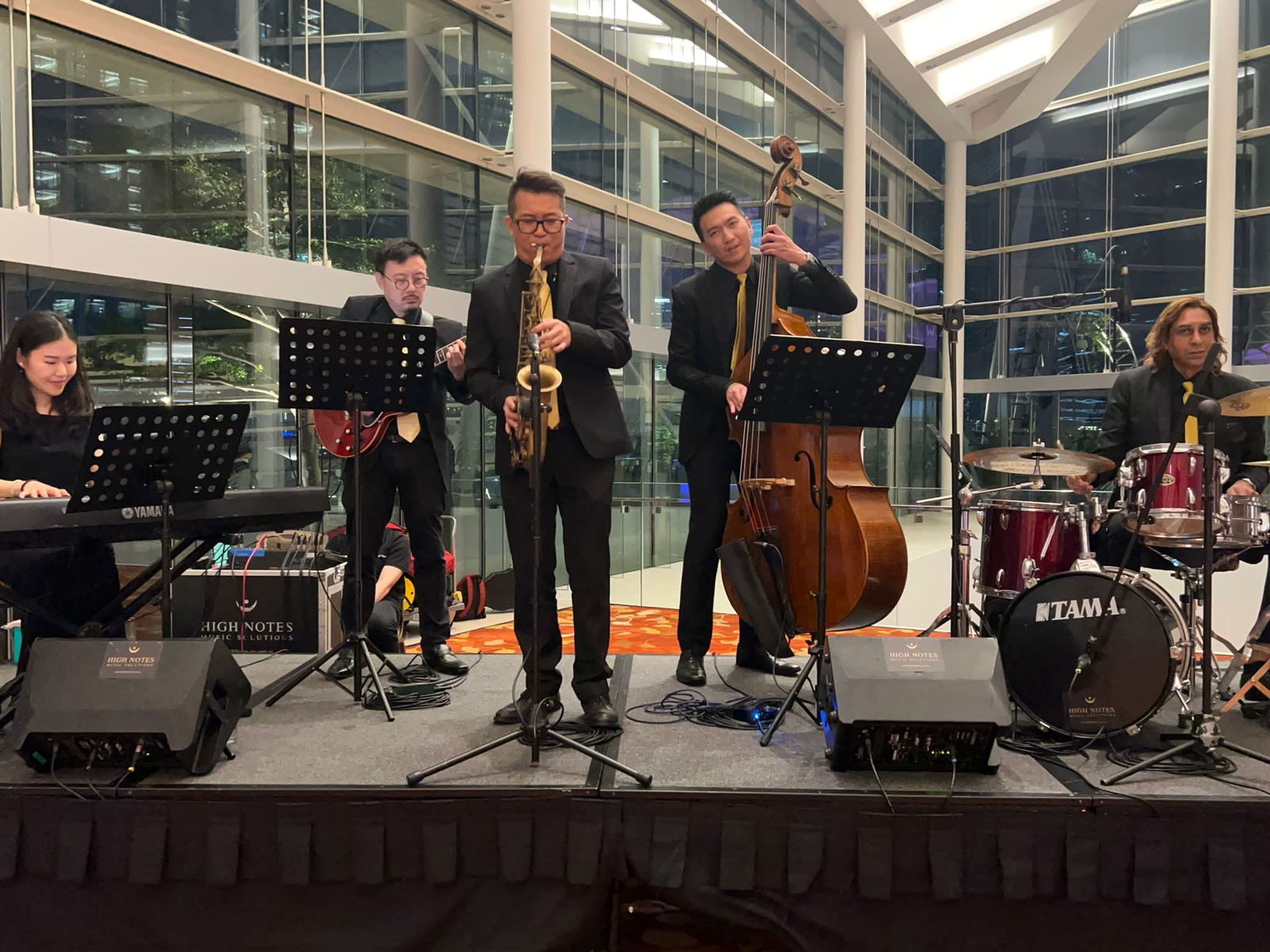
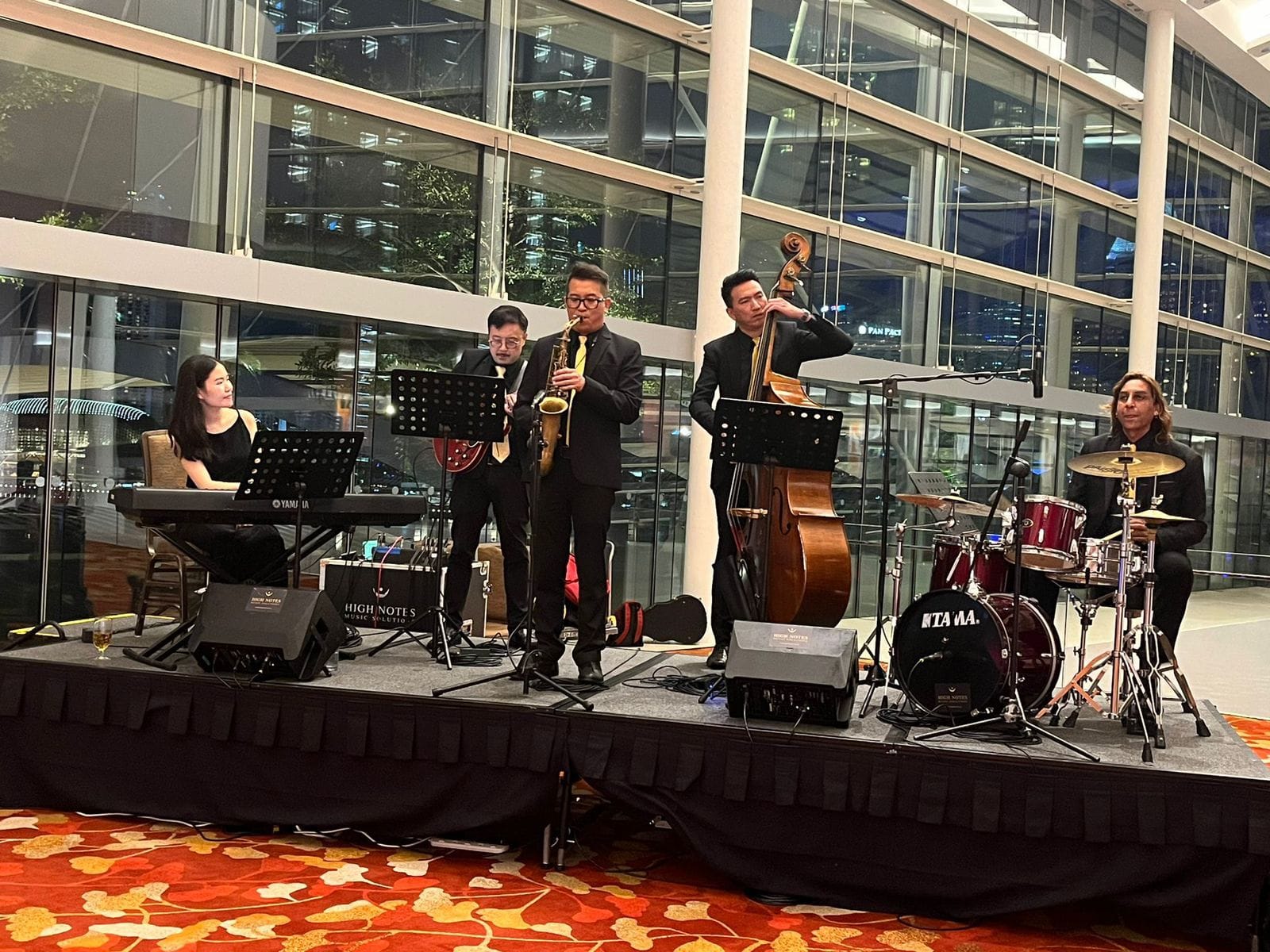
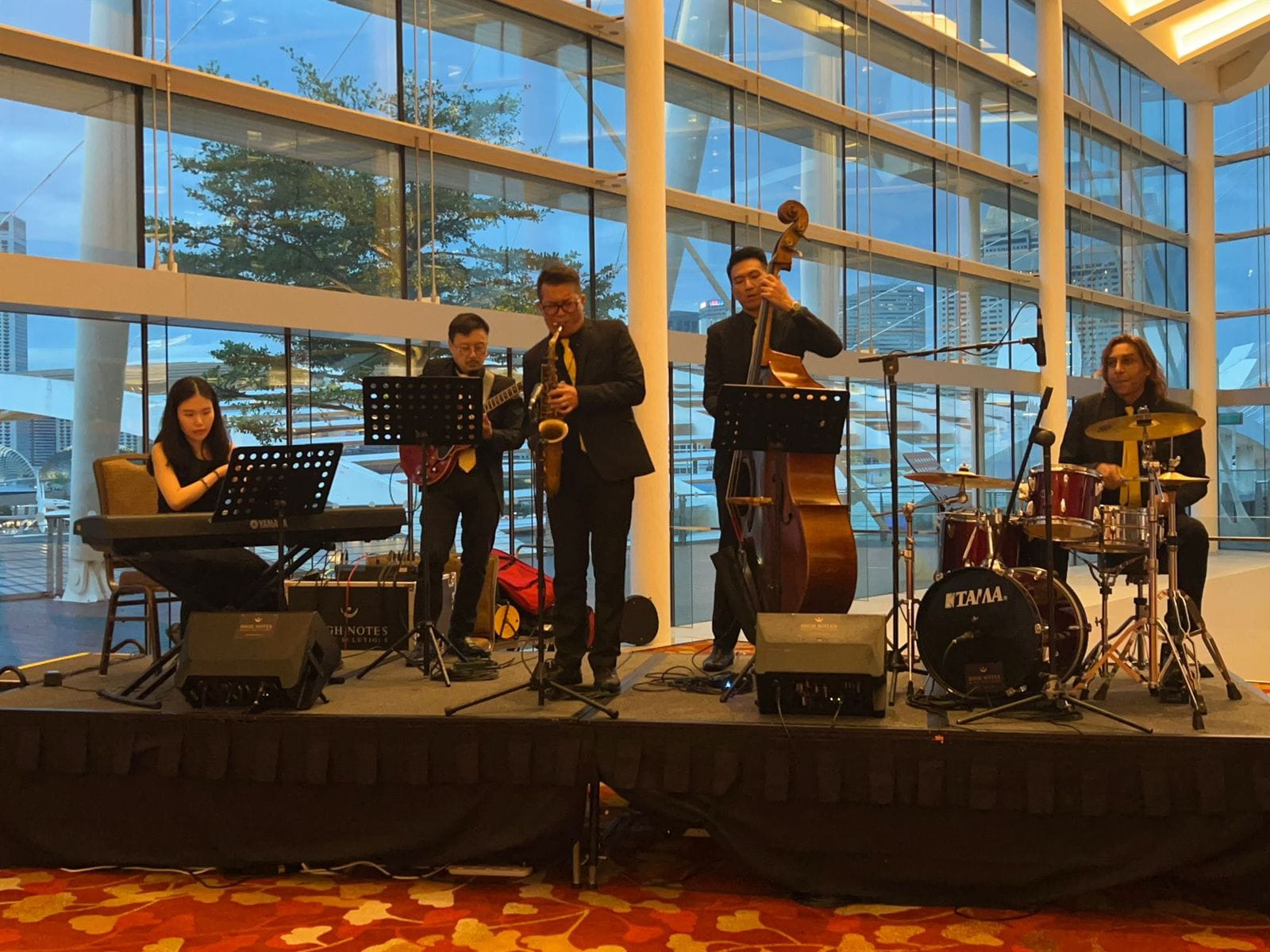
A wedding live band in Singapore costs roughly $500 to $1,500 for a solo singer, $800 to $2,500 for a duo, $1,500 to $3,500 for a trio, $3,000 to $7,000 for a four to five piece band, and $5,000 to $12,000 or more for a full band with strings, brass or extra vocalists. Price depends on ensemble size, number of sets, sound equipment, and whether the date falls in peak wedding season (November to January, and around Lunar New Year). Most couples book four to six months ahead.
- What drives the price of a wedding live band
- Wedding live band price table (SGD)
- What is actually included in a booking
- Typical timings on the wedding day
- How to hire a wedding band without the common mistakes
- Wedding singers Singapore: solo and duo options
- Booking Bella Entertainment for your wedding
What drives the price of a wedding live band
The single biggest driver of wedding live band price is headcount on stage, not the venue. A solo guitarist-vocalist and a nine-piece band with horns are both "live music" but they are different products with different trucks, different sound rigs and different rehearsal time. Everything else on this list moves the price up or down by a smaller margin around that base figure.
Number of musicians matters most. A duo needs one small PA and no monitor mixing headache. A five-piece needs drums, bass, keys, guitar and vocals miked separately, which means a proper sound engineer on site, not just the band members plugging in themselves. That engineer is usually already built into the quote for anything above a trio, but confirm it, because some cheaper packages leave you to source your own.
Performance duration is the second factor. A standard wedding booking in Singapore is two to three sets of around 45 minutes each, spread across cocktail hour, dinner and the dance floor segment. Want a fourth set, or continuous music with no gaps, and you are paying for extra musician hours plus a longer sound crew day.
Experience and reputation account for a real spread even within the same band size. A five-piece band that has played Capella and Marina Bay Sands ballrooms weekly for years will quote higher than a newer five-piece with the same instrumentation, because they are pricing in reliability, not just musicianship. For a wedding, reliability is what you are actually buying.
Venue location adds cost mainly when the band has to travel outside the usual circuit of hotel ballrooms and event spaces, or when load-in is difficult (high floors, no loading bay, strict union hours at certain hotels). Sentosa venues and some older hotel properties can add a transport or logistics line that a Suntec or Raffles City booking would not.
Sound and lighting equipment is either bundled in or billed separately, and this is where quotes that look cheap on paper suddenly are not. A quote with no PA, no monitors and no engineer listed is not comparable to one that has all three. Ask what is included before comparing two numbers side by side.
Custom song requests, particularly your first dance and march-in track, are usually included as one or two arrangements at no extra charge. Ask for a third or fourth custom arrangement, especially anything requiring new instrumentation like strings or a horn line, and expect a rehearsal fee.
Season and demand move prices at the margins. Peak dates in the November to January window and around Lunar New Year get booked out first and go to the top of each band's price range. Weekday weddings and off-peak months (typically March, July, September) give you more room to negotiate.
Wedding live band price in Singapore: SGD price table
Here is the wedding live band price range you should expect to see quoted, based on current rates for a standard two to three set wedding performance.
| Band type | Typical price (SGD) | Best suited to |
|---|---|---|
| Solo musician or singer | $500 to $1,500 | Solemnisation, cocktail hour, small intimate ceremony |
| Duo (singer and instrumentalist) | $800 to $2,500 | Cocktail hour, church ceremony, smaller banquet room |
| Trio | $1,500 to $3,500 | Mid-size banquet, garden or outdoor solemnisation |
| Four to five piece band | $3,000 to $7,000 | Full hotel ballroom banquet, dinner and dance segment |
| Full band with strings, brass or extra vocalists | $5,000 to $12,000+ | Grand ballroom, larger guest lists, high-production weddings |
These are starting ranges. A well-known band playing a Saturday in December will sit near the top of its bracket. The same size band on a Tuesday in March will often come in near the bottom, sometimes below it if you ask directly about off-peak rates.
What is actually included in a booking
A standard wedding live band package covers two to three sets of roughly 45 minutes, a sound system and engineer sized to the room, one to two custom song arrangements (usually your first dance and march-in), and a pre-wedding call or meeting about a month out to confirm the setlist. That is the baseline you should expect at any price point above a solo act.
What is often not included, and worth asking about directly: stage lighting beyond basic wash, a dedicated MC or announcer role (that is usually a separate wedding emcee booking), overtime beyond the agreed hours, and travel or parking costs for venues outside the central hotel circuit. Overtime in particular catches couples off guard when the reception runs long and the band's contracted hours end at 11pm sharp.
If your venue is a hotel ballroom at Shangri-La, Fullerton or similar, the venue's in-house AV team will usually coordinate directly with the band's sound engineer on power points and stage placement. If you are in a non-standard venue, a tent, a private estate, a rooftop, confirm early who is providing the stage or platform and whether additional AV rental is needed. Bella Entertainment handles this coordination as part of live band bookings and can bundle in tables, tents or LED screens through the same quote if your venue needs them.
Typical timings on the wedding day
Most Singapore wedding bands work to a set schedule built around the banquet: cocktail reception music for 30 to 45 minutes as guests arrive, a short pause during speeches and the March-in, a first set during dinner service, and a livelier second or third set once the dance floor opens after cake cutting. Solemnisations, when held separately, are usually a shorter 20 to 30 minute solo or duo booking earlier in the day.
Load-in and sound check typically happen one to two hours before guests arrive, which is why hotel ballrooms with tight back-to-back event schedules sometimes restrict band load-in windows. Confirm your venue's load-in time when you confirm your own reception timeline, not after.
Wedding live music: what songs go where
March-in and first dance songs are usually locked in around a month before the wedding. Cocktail and dinner sets are typically a mix of the band's standard repertoire (jazz standards, acoustic pop, Mandarin classics depending on the crowd) with two or three requests slotted in. The dance floor set is where couples usually let the band play its usual high-energy repertoire rather than scripting every song.
How to hire a wedding band without the common mistakes
The most common mistake is booking on price alone without confirming what is bundled in. A $2,000 duo quote and a $2,000 trio quote from a different agency are not the same product if one includes a sound engineer and the other expects you to rent your own PA. Always ask for a written breakdown of set count, duration, equipment and number of performers before comparing two quotes.
Start by settling four things: your date, your venue, your guest count, and the mood you want (romantic and low-key, or high-energy dance floor from the first song). These four facts are what any agency needs to put forward bands that are actually available and suited to your room, rather than a generic list.
- Book four to six months ahead. Popular bands for peak dates (year-end, Lunar New Year weekends) get booked out earlier than that, sometimes eight to nine months for the most requested acts.
- Set your budget before you start comparing bands. It narrows the search fast and stops you falling for an ensemble size you can't actually afford once sound and travel costs are added.
- Watch a full video, not a highlight reel. Stage presence and how a band handles a quiet dinner set matter as much as how they sound in a 90 second promo clip.
- Confirm the exact set count and hours in writing. "Three sets" can mean 45 minutes each or 30 minutes each depending on the agency. Get the total performance time in writing.
- Ask what happens if the reception runs late. Overtime rates should be agreed before the day, not negotiated at 10:45pm when your programme has slipped.
The most expensive mistake: booking without confirming inclusions
Couples regularly compare two quotes that look close in price and pick the cheaper one, only to find it excludes the sound engineer, has fewer musicians than assumed, or covers two 30-minute sets instead of three 45-minute sets. The fix costs more than the original saving: a rented PA system and last-minute sound technician on the wedding day can add $500 to $1,500 on its own. Get every quote broken down by musician count, set length and equipment before you compare the total.
Wedding singers Singapore: solo and duo options
Not every wedding needs a full band. A solo singer or singer-guitarist duo is the right call for a solemnisation ceremony, a small cocktail hour, or a wedding with a tight budget where recorded music for dinner and a live act for one key segment (first dance, march-in) is the compromise. Wedding singers in Singapore working solo typically price from $500 to $1,500, and duos from $800 to $2,500, both well below the cost of even a trio.
The trade-off is energy on the dance floor later in the night. A solo singer with a backing track can carry a ceremony and dinner beautifully but usually cannot generate the same dance floor response as a four to five piece band with a live rhythm section. Some couples solve this by booking a duo for ceremony and dinner, then a DJ for the dance segment, which often costs less overall than a full band for the whole event.
Booking a wedding live band with Bella Entertainment
Bella Entertainment has been booking live entertainment for Singapore weddings and events since 2012, with acts that have played Marina Bay Sands, Capella, Shangri-La, Raffles, Fullerton and most major hotel ballrooms. We hold a roster across solo singers, duos, trios and full bands with strings or brass, so we can match ensemble size to your room and budget rather than pushing one house band.
Tell us your date, venue and guest count and we will come back with two or three suitable bands and a straight price, broken down by set count and equipment, so you can actually compare it against other quotes. If your wedding also needs an emcee, a photo booth, LED screens or full event production, we quote those under the same booking so you are not coordinating five separate vendors. See our full range of entertainment acts or how we cover other event types beyond weddings.
Fastest way to get a real number: send us your event date, venue and headcount on WhatsApp at +65 9428 4249 and we will quote within a working day.
Frequently asked questions
How much does a wedding live band cost in Singapore?
A wedding live band in Singapore costs from around $500 for a solo singer up to $12,000 or more for a full band with strings or brass. A duo runs $800 to $2,500, a trio $1,500 to $3,500, and a four to five piece band $3,000 to $7,000. Price depends mainly on the number of musicians, set count, sound equipment included, and whether your date falls in peak wedding season.
How do I hire a wedding band in Singapore?
Confirm your date, venue, guest count and preferred music style first, then request quotes from two or three agencies at least four to six months before the wedding. Ask each quote to break down musician count, number and length of sets, and whether sound equipment and an engineer are included, so you can compare like for like rather than by total price alone.
How many sets does a wedding band typically play?
Most wedding bands in Singapore play two to three sets of around 45 minutes each, covering cocktail hour, dinner and the dance floor segment after cake cutting. Extra sets, continuous music with no breaks, or performance beyond the agreed hours are usually quoted as add-ons, so confirm total performance time in writing before booking.
Is a live band or a DJ cheaper for a wedding in Singapore?
A DJ is usually cheaper than a full live band, though a solo singer or duo can cost less than a DJ with premium lighting and equipment. Many Singapore couples combine both: a duo or trio for ceremony and dinner, then a DJ for the dance floor, which often costs less overall than booking a full band for the entire reception.
How far in advance should I book a wedding band?
Book four to six months ahead for most dates. Peak periods, specifically the November to January year-end season and weekends around Lunar New Year, get booked out earlier, sometimes eight to nine months ahead for well-known bands. If your date is flexible, an off-peak weekday booking can also be arranged with much shorter notice.
What is included in a wedding live band package?
A standard package includes two to three sets of about 45 minutes each, a sound system sized to your venue with an engineer, and one or two custom song arrangements, typically your first dance and march-in. Stage lighting beyond a basic wash, overtime past the agreed hours, and travel for venues outside the central hotel circuit are commonly billed separately, so confirm these before booking.
Can I request specific songs for my wedding band to play?
Yes, most Singapore wedding bands include one or two custom song requests as standard, usually your march-in and first dance tracks, agreed around a month before the wedding. Additional custom arrangements, especially songs requiring new instrumentation such as strings or horns, are typically possible but may carry a small rehearsal fee.
Get a wedding live band quote within a working day
Send your date, venue and guest count on WhatsApp and we'll come back with suitable bands and a straight price.
Get a Free Quote