SummaryVirtual events versus physical events comes down to budget, reach and the kind of connection you need. A physical event in Singapore typically costs SGD 8,000 to SGD 60,000 or more for a corporate function with venue, catering and entertainment, and delivers stronger engagement per attendee. A virtual event cuts venue and catering costs by roughly 60 to 80 percent and reaches unlimited geography, but engagement drops unless production quality and interactive entertainment are built in deliberately. Hybrid events combine both, usually at a premium of 20 to 40 percent over a single-format event.
What is in this guide
- Virtual events versus physical events: the real decision
- What a physical event costs in Singapore
- What a virtual event actually costs
- Hybrid events and where they go wrong
- Entertainment that works on screen, and what does not translate
- Technical and venue requirements for each format
- Questions to ask before you commit
- FAQ
1. The core decision
Virtual events versus physical events: the real decision
This is not really a cost question first. It is a question about what the event has to achieve. A product launch that needs press coverage and a tactile product experience belongs in a room. A quarterly town hall for a company with staff across three countries belongs online. Most of the confusion we see from clients in Singapore comes from treating this as a budget decision when it is actually a purpose decision, and the budget conversation should come second.
Physical events win on attention, on networking that actually happens, and on the kind of entertainment that depends on presence: a live band reading the room, a magician working a table, dancers bringing energy into a space that a screen cannot replicate. Virtual events win on reach, on cost per attendee at scale, and on the ability to record and reuse the content afterward. Neither format is "better." They solve different problems, and a lot of the stress in planning comes from picking the wrong one for the goal.
2. Physical event costs
What a physical event costs in Singapore
For a corporate dinner and dance or a brand activation with entertainment, most Singapore agencies and venues work within these bands. Figures vary by venue, headcount and season, so confirm current rates directly before you budget against them.
| Line item | Typical range (SGD) | Notes |
|---|
| Venue hire (half day, mid-tier hotel or function space) | 3,000 to 15,000 | Marina Bay and CBD venues sit at the top end, suburban venues lower |
| Catering, per head | 60 to 180 | Buffet lower, plated or premium menu higher |
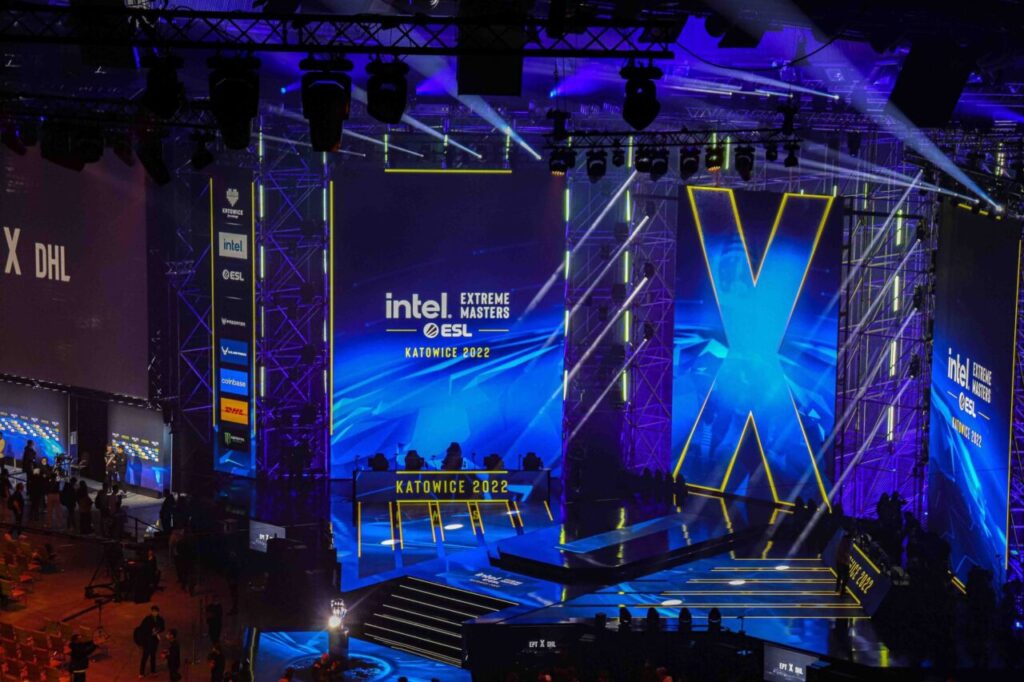
| AV and staging | 2,000 to 10,000 | Scales fast with LED screens and lighting rigs |
| Entertainment (one act, 2 to 3 sets) | 1,200 to 8,000 | Solo musician at the low end, a full dance troupe or headline act higher |
| Event management and crew | 1,500 to 6,000 | Depends on complexity and run-of-show length |
A straightforward 150-guest corporate function with one entertainment act and standard catering usually lands between SGD 20,000 and SGD 40,000 all in. Add a gala format, multiple acts or a premium venue and that climbs past SGD 60,000 without much effort. We put together full run sheets for this kind of event through our event type planning guide if you want to see what fits a specific occasion.
3. Virtual event costs
What a virtual event actually costs
The venue and catering lines disappear, but they get replaced by production and platform costs that first-time planners often underestimate. A one-camera Zoom webinar is cheap. A broadcast-quality virtual event with multi-camera switching, graphics and a live host is not.
- Platform fees: SGD 0 to 2,000 depending on whether you use a basic webinar tool or a dedicated event platform with registration, breakout rooms and analytics.
- Studio or production crew: SGD 3,000 to 15,000 for a proper multi-camera setup with a director, switcher and technical rehearsal, versus near-zero if speakers present from home on laptop cameras.
- Virtual entertainment: SGD 800 to 5,000 for an act built specifically for screen, such as a livestream DJ set, a virtual magician doing close-up tricks to camera, or an interactive quiz host.
- Scripting and run-of-show design: often underpriced or skipped entirely, which is usually why virtual events feel flat.
A well produced virtual event for 200 to 500 attendees typically runs SGD 8,000 to SGD 25,000, which is 60 to 80 percent less than the equivalent physical gathering. The saving is real. The risk is that organisers spend the saved money on nothing and end up with a cheap-looking stream, which undermines the brand more than the cost saving is worth.
4. Hybrid events
Hybrid events and where they go wrong
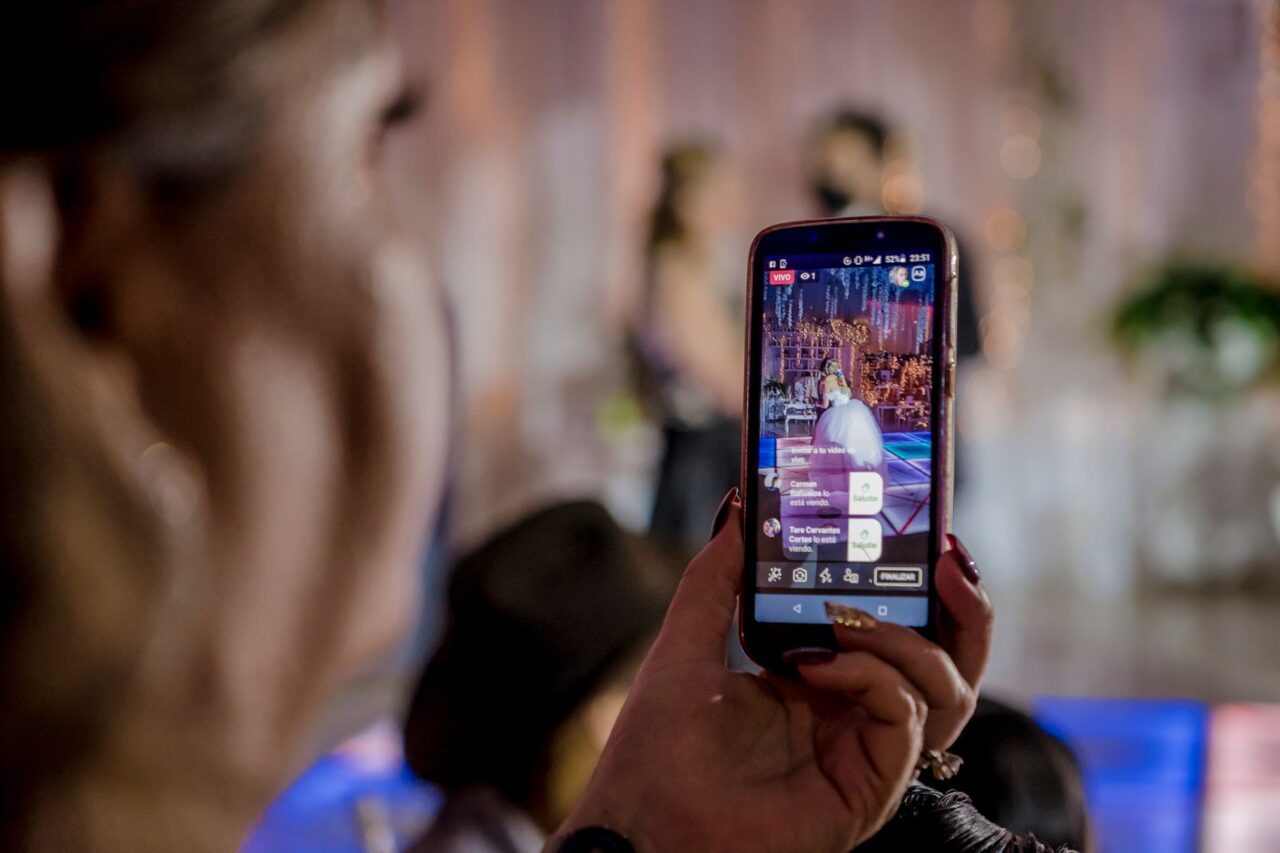
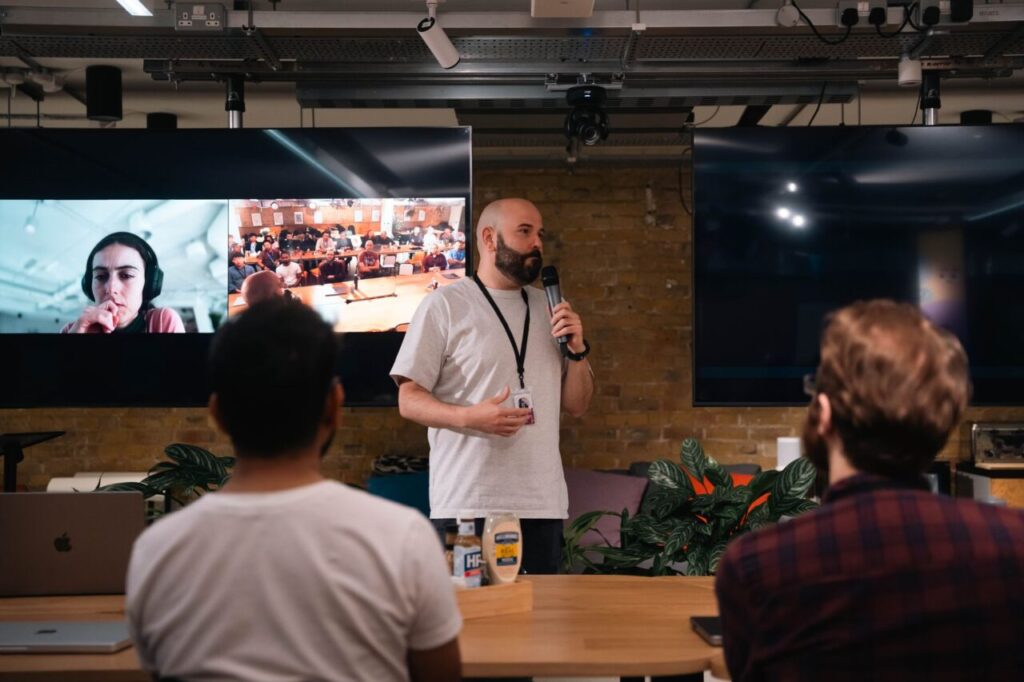
A hybrid event is a physical event with a simultaneous livestream for remote attendees. It sounds like the best of both, and sometimes it is, but it is also the format most likely to disappoint both audiences if it is not planned as two distinct events sharing one timeline.
The failure pattern is consistent: the room gets the full experience and the stream gets an afterthought camera bolted onto the back wall. Remote attendees see a tiny stage, hear echoey audio, and watch a 90-minute programme with no pacing built for a screen. If you are running hybrid, budget separately for stream production, a dedicated camera operator and a host whose job is specifically to address the remote audience, not just narrate what the room can already see. Expect a premium of 20 to 40 percent over a single-format version of the same event, mostly in AV and crew.
5. Entertainment for each format
Entertainment that works on screen, and what does not translate
Not every act designed for a live room works online, and booking the wrong one for the format is the single most common mistake we see from clients planning their first virtual event. A large dance troupe needs floor space and depends on the energy bouncing off a crowd. On a screen, that energy flattens unless the act and the camera work are redesigned specifically for the format, with closer framing and tighter choreography built for a 16:9 rectangle rather than a stage.
What translates well to virtual: solo or duo musicians, livestream DJs, virtual magicians performing close-up work to camera, quiz and game show hosts, and MCs trained to work a screen rather than a room. What struggles without real redesign: large ensemble dance acts, drum lines and bhangra and dhol performances that depend on physical space and crowd proximity, and acts built around audience participation that assumes people are in the same room.
For physical events, this is where Singapore's entertainment scene is strongest: dancers, cultural performance groups and live bands that depend on a room reacting to them in real time. If your event is physical or hybrid with a strong in-room component, browse act types by category to see what fits your audience and budget before you lock the format.
6. Technical requirements
Technical and venue requirements for each format
Physical events need a venue with the right electrical load for lighting and sound, loading access for large props or staging, and enough floor-to-ceiling height for rigging if you are hanging truss or screens. Most Singapore venues can tell you this on request, but confirm it with the venue directly rather than assuming, because older buildings and smaller function rooms sometimes cannot support a full production rig.
Virtual events need stable upload bandwidth, not just download speed, since you are pushing high-resolution video out. A dedicated internet line or a venue with proven streaming infrastructure matters more than most first-time planners expect. You also need a backup plan for connection failure, because a dropped stream mid-event is far more visible and far harder to recover from than a late buffet.
7. Questions before you commit
Questions to ask before you commit to a format
- What does success look like: attendance numbers, sales conversations, brand recall, or something else?
- Where are your attendees physically located, and how many are genuinely unable to attend in person?
- Does the entertainment you want depend on physical space and crowd energy, or can it be rebuilt for a screen without losing its point?
- Who owns the stream production if you go hybrid, and is that person separate from whoever is managing the room?
- What is your fallback if the internet connection fails during a live virtual segment?
The most expensive mistake: booking a physical-format act for a virtual event without redesigning it
Clients sometimes book the same act they would use for a gala, point one camera at the stage, and call it a virtual event. The act was never designed to be watched on a 13-inch laptop screen. Framing is wrong, audio does not translate, and the energy that depended on a live crowd has nowhere to go. The act gets blamed when the format is actually what failed. Always ask whether an act has a version built specifically for screen before booking it for anything virtual or hybrid.